Free domestic shipping for orders over $99.

Discovering The Health Advantages Of Iron Supplements

Iron is an essential mineral for our bodies. But it can be hard to get the right amount from food alone. Not getting enough iron can lead to anemia and other physical symptoms, such as fatigue, dizziness, and poor concentration.

Taking too much iron can also have serious consequences on your health. Iron supplements are a great way to ensure that you’re getting the right amount of iron in your diet without risking taking too much or too little. In this article, we will discuss how to maximize absorption while minimizing potential risks associated with taking them.
1Introduction

Discover The Benefits Of Iron Supplements
Iron is an essential mineral that helps the body produce healthy red blood cells, which are responsible for carrying oxygen throughout the body. Without enough iron, the body can become anemic, leading to a lack of energy, shortness of breath, and a weakened immune system. Taking iron supplements can help maintain healthy iron levels in the body. There are several different types of iron supplements available; some are made from iron salts, while others are made from organic sources, like spinach or kelp. Iron supplements can be found in various forms, including capsules, tablets, liquids, and powders.

Understand How Iron Supplements Work
Iron supplements work by replenishing the body’s iron stores and helping improve the production of red blood cells. When taken daily, iron supplements can help improve energy levels and overall health. It’s important to recognize the symptoms of iron deficiency, which include fatigue, shortness of breath, pale skin, brittle nails, and a weakened immune system. If you suspect that you may be iron deficient, it’s vital to speak with your doctor about potential treatment options.

2Its Health Benefits

Immune System Boost
Iron supplements are a fantastic way to boost your immunity and help ward off illnesses. Taking iron supplements can help your body produce more hemoglobin, a type of protein found in red blood cells that carries oxygen to the cells in your body. This can help your body naturally fight off illnesses better and increase your overall energy levels. Additionally, if you’re deficient in iron, you can experience a weakened immune system, which can make it harder to fight off illnesses. Taking iron supplements can help ensure that your body has the right amount of iron it needs to stay healthy and ward off illnesses.

Increased Energy Levels
Iron supplements can help people with anemia, a condition in which the body does not have enough healthy red blood cells. Iron supplements can help increase the amount of hemoglobin in the blood, which can help restore energy levels. Additionally, iron supplements can help people with anemia more easily maintain an active lifestyle, as increased iron levels can help prevent fatigue and exhaustion. People with anemia may find that iron supplements help them feel more energized, enabling them to live a more active lifestyle.

Improved Pregnancy Health
Iron supplements can help improve the health of pregnant women, as they can help reduce the risk of anemia during pregnancy. Anemia is a common condition among pregnant women, as the body needs more iron to support the growth of the baby. Iron supplements can help ensure that the pregnant woman has enough iron in her body to support the growth of the baby and prevent anemia. Additionally, iron supplements can help ensure that the pregnant woman has enough energy to carry out her everyday activities and help reduce the risk of fatigue and exhaustion due to anemia.

Athletic Performance Boosts
Iron supplements can help athletes boost their performance. Iron is crucial for athletes, as it helps transport oxygen throughout the body. This helps the athlete’s muscles work more efficiently, allowing them to perform better. Additionally, athletes who are deficient in iron may experience fatigue and exhaustion more quickly, hindering their performance. Taking iron supplements can help athletes ensure that their bodies are getting enough iron, allowing them to perform better and for longer periods of time.

Reduced Fatigue And Exhaustion
Iron supplements can help reduce fatigue in people who are deficient in iron. Iron helps transport oxygen throughout the body, which is vital for maintaining energy levels. When the body is deficient in iron, it can cause fatigue and exhaustion, significantly decreasing energy levels. Taking iron supplements can help ensure that the body has enough iron to maintain energy levels, reducing fatigue and exhaustion. Additionally, iron supplements can help those with anemia restore their energy levels, enabling them to live an active lifestyle.
3The Recommended Dosage

Recommended Daily Dosage Of Iron Supplements
The recommended daily dosage of iron supplements is 8-18 mg per day for adult women. The recommended daily dosage is 8-11 mg per day for adult men. It is important to note that pregnant women should speak with their doctor about the adequate dosage for them.

Too Much Or Too Little Iron
Taking too much iron can lead to serious health complications, such as nausea, vomiting, constipation, diarrhea, and abdominal pain. It can also damage the liver, heart, and other organs. Meanwhile, taking too little iron can cause anemia, fatigue, dizziness, and other physical symptoms.

How To Maximize Absorption
Iron supplements should be taken with food and with a full glass of water. Vitamin C aids in the absorption of iron in the body. So it is beneficial to take iron supplements with a glass of orange juice or another source of vitamin C.
4Its Potential Risks

Uncovering Its Potential Risks
Taking iron supplements can have a range of potential risks that you should be aware of. These can include digestive issues, such as nausea, vomiting, constipation, and diarrhea, as well as changes in appetite or taste. Iron supplements can also interact with other medications, so it’s vital to talk to your doctor if you are taking any other medications. Taking iron supplements for an extended period of time can also be dangerous, as it can lead to an iron overload in your body which can cause serious health issues. Finally, if you have a chronic health condition, taking iron supplements may not be safe, as it can worsen your symptoms or interact with other medications you’re taking.
5Best Practices To Follow

Finding The Best Sources Of Iron
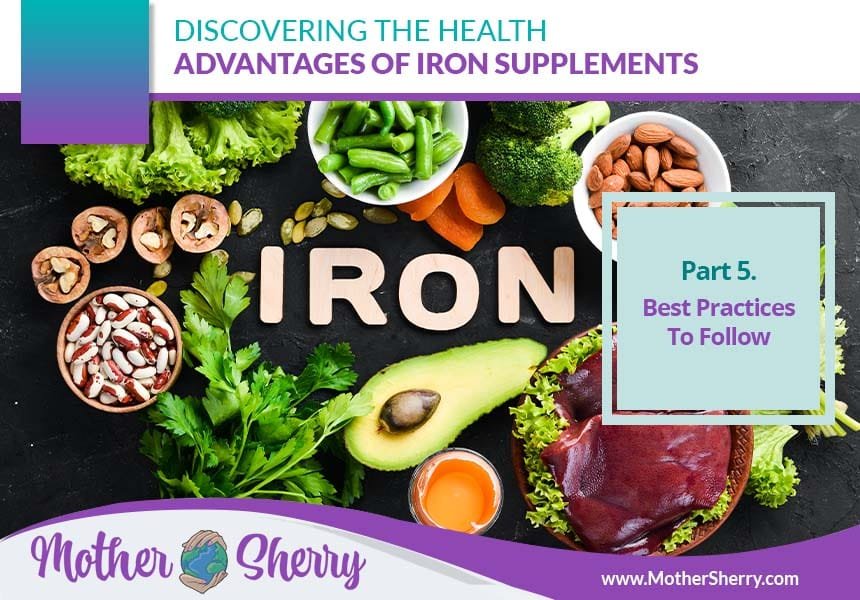
Iron is found in many different food sources, including red meat, poultry, fish, and legumes. Some fortified foods, such as breakfast cereals and bread, also contain iron. Eating a variety of these foods is the best way to get the right amount of iron. For vegetarians and vegans, legumes, nuts, seeds, and green leafy vegetables are great sources of iron.

Foods To Avoid While Taking Iron Supplements
When taking iron supplements, it is crucial to avoid certain foods that can interfere with the absorption of iron. These include milk, calcium supplements, tea, coffee, and antacids. Additionally, it is vital to take iron supplements on an empty stomach, as food can also interfere with absorption.

Other Supplements To Take While Taking Iron Supplements
It is important to take other supplements alongside them to ensure that you are getting the most out of your iron supplements. Vitamin C is especially crucial, as it helps the body absorb iron more efficiently. Additionally, taking a probiotic can help ensure that the digestive system is functioning properly, which also helps with absorption. Folic acid is also a great supplement to take while taking iron supplements, as it helps convert iron into a form that the body can use.
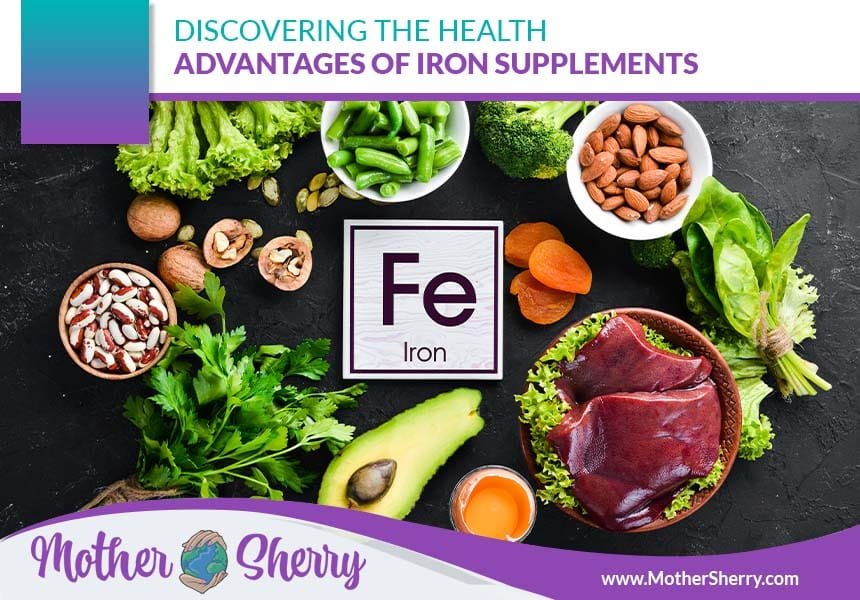
In conclusion, iron supplements can be a great way to ensure that you’re getting enough iron in your diet and avoid the risks of taking too much or too little. It is important to take other supplements alongside them, such as vitamin C, probiotics, and folic acid, to maximize absorption while minimizing potential risks associated with taking them. Additionally, certain foods should be avoided while taking iron supplements, including milk, calcium supplements, tea, coffee, and antacids. Eating a variety of food sources rich in iron, such as red meat, poultry, fish, and legumes, is also recommended for optimal health benefits from these essential minerals. By following these best practices when considering an iron supplement regimen, you can rest assured that you are making the safest choice for yourself!
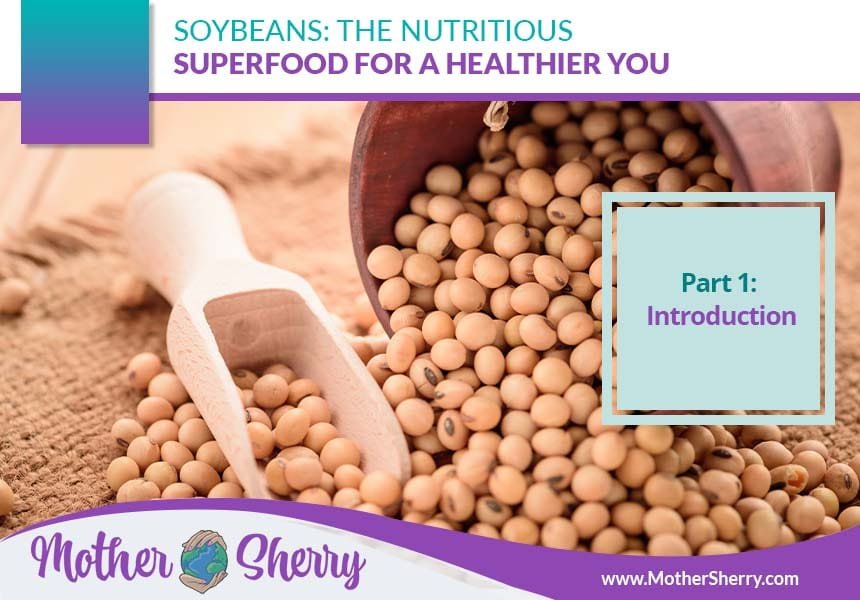
Soybeans: The Nutritious Superfood For A Healthier You

Eating a balanced diet is essential for optimal health. But it can be hard to find the right balance of protein, vitamins, and minerals. Many people rely on animal-based proteins, like meat or dairy products, which are often high in fat and cholesterol.

This can lead to weight gain, heart disease, and other health problems. Fortunately, there is an excellent alternative source of protein that is low in fat and rich in micronutrients – soybeans! In this article, we will explore the many benefits of incorporating soybeans into your diet as well as some cautions to consider before making any changes to your diet.

1Introduction

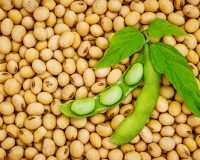
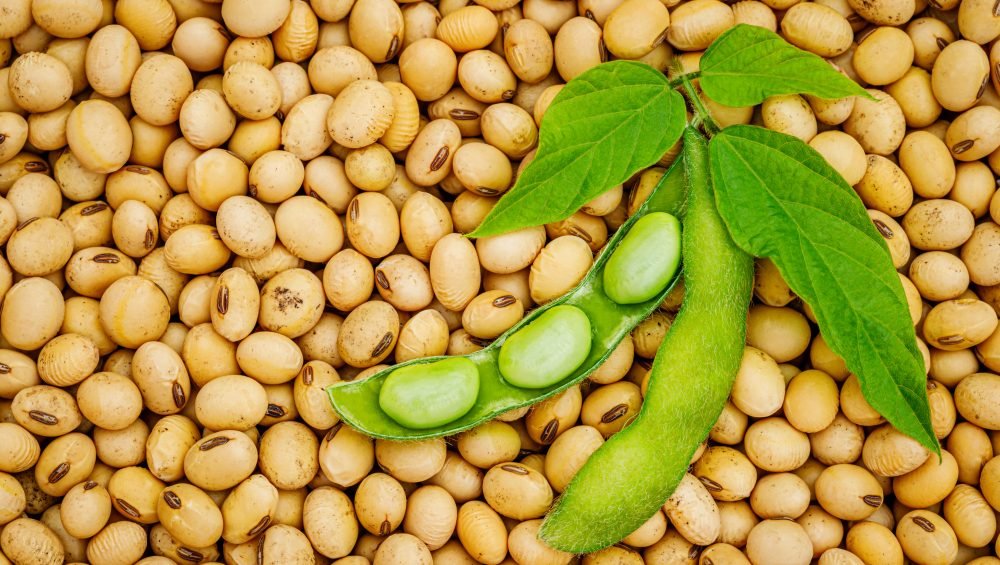
Soybean is a type of legume that is native to East Asia and is a staple food in many countries in the region. They are rich in protein, fiber, and several essential vitamins and minerals. They also contain compounds called isoflavones, which have been shown to have a variety of health benefits, including reducing the risk of heart disease, certain types of cancer, and menopausal symptoms.

Soybeans have been grown in China for thousands of years and have been a staple food for many cultures in the region. In the 20th century, soybeans became widely cultivated in other countries, including the United States, where they are now a major crop. Soybeans are versatile and can be used to make a variety of foods, including tofu, soy milk, and tempeh, as well as being a source of oil and animal feed.

Soybeans are available in many forms, including fresh or dried whole beans, soy flour, soy protein isolate, and soy oil. They can be incorporated into the diet by using them as a protein source in place of meat, by using soy-based dairy alternatives, or by consuming soy products, such as tofu and tempeh. When choosing soy products, it is important to look for those that are non-GMO and minimally processed.

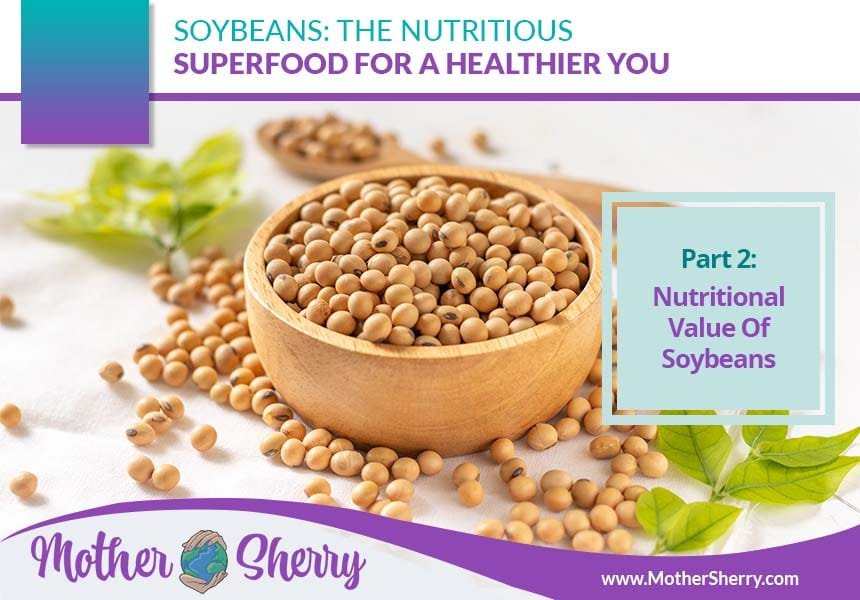
2Nutritional Value Of Soybeans

Soybeans are a highly nutritious food that contains a balanced blend of macronutrients and micronutrients. In a 100-gram serving of cooked soybeans, there are approximately eight grams of protein, four grams of fiber, and eight grams of carbohydrates. Soybeans also contain significant amounts of healthy unsaturated fats, including both polyunsaturated and monounsaturated fats. Additionally, soybeans are a rich source of vitamins and minerals, including folate, potassium, iron, and calcium.

Compared to other plant-based protein sources, such as legumes, nuts, and seeds, soybeans are a particularly rich source of complete protein, meaning that they contain all of the essential amino acids that the human body needs. They are also a good source of iron, calcium, and other micronutrients, making them a nutritious alternative to animal-based protein sources, such as meat and dairy products. However, it is essential to note that soybeans should be consumed in moderation as part of a balanced diet, as they also contain phytates and lectins, which can interfere with the absorption of certain minerals.

The nutrients found in soybeans have been shown to have a variety of health benefits. For example, the high levels of polyunsaturated and monounsaturated fats in soybeans have been linked to lower levels of LDL cholesterol, which can reduce the risk of heart disease. Additionally, the isoflavones in soybeans have been shown to have estrogen-like effects, which may help reduce the symptoms of menopause. The high levels of fiber and protein in soybeans may also help regulate blood sugar levels and promote feelings of fullness, making them useful food for weight management. Finally, the high levels of vitamins and minerals, such as iron, calcium, and folate, in soybeans can help support overall health and prevent chronic diseases.

3For Heart Health

Soybeans are heart-healthy food due to their rich content of polyunsaturated and monounsaturated fats, fiber, and plant-based protein. These nutrients work together to promote heart health by reducing levels of LDL cholesterol or “bad” cholesterol and reducing inflammation in the body. Additionally, the isoflavones in soybeans have been shown to have cholesterol-lowering effects, making soybeans a great food choice for those looking to improve their heart health.

Studies have consistently shown that consuming soybeans can reduce the risk of heart disease. For example, a meta-analysis of 29 studies found that consuming soybeans on a regular basis was associated with a lower risk of heart disease. Additionally, other studies have shown that soybeans can help lower blood pressure and improve the function of blood vessels, which can reduce the risk of heart disease.

Incorporating soybeans into your diet is easy and delicious. Consider using tofu or tempeh in stir-fried dishes or adding edamame to salads and soups. Soy milk is a great alternative to cow’s milk and can be used in smoothies or as a base for creamy soups. Additionally, soy-based products, such as veggie burgers or meat alternatives, can be used in place of traditional meat products in many recipes. Just be sure to choose minimally processed soy products to maximize the health benefits.

4For Cancer Prevention

Soybeans contain compounds, such as isoflavones, that have been shown to have anticancer effects. These compounds are thought to help prevent cancer by reducing inflammation and promoting cell death in cancer cells, among other mechanisms. Additionally, soybeans are rich in antioxidants, which help protect the body against oxidative stress, which has been linked to the development of cancer.

Studies have investigated the relationship between soybeans and several types of cancer, including breast, prostate, and colon cancer. The evidence for a protective effect of soybeans on breast cancer is particularly strong, with several studies showing that women who consume soybeans regularly have a lower risk of breast cancer. The evidence for soybeans and prostate cancer is less clear, with some studies suggesting a protective effect, while others show no association. For colon cancer, the evidence is also mixed, with some studies showing a protective effect, while others show no association.

While the research on the relationship between soybeans and cancer prevention is promising, it is still in its early stages, and more research is needed to fully understand the mechanisms involved. Additionally, most studies have been conducted in laboratory or animal models, so more research is needed to confirm these findings in human populations. However, the evidence thus far suggests that consuming soybeans as part of a balanced diet may help reduce the risk of certain types of cancer, and they should be incorporated as part of a healthy, cancer-preventive diet.

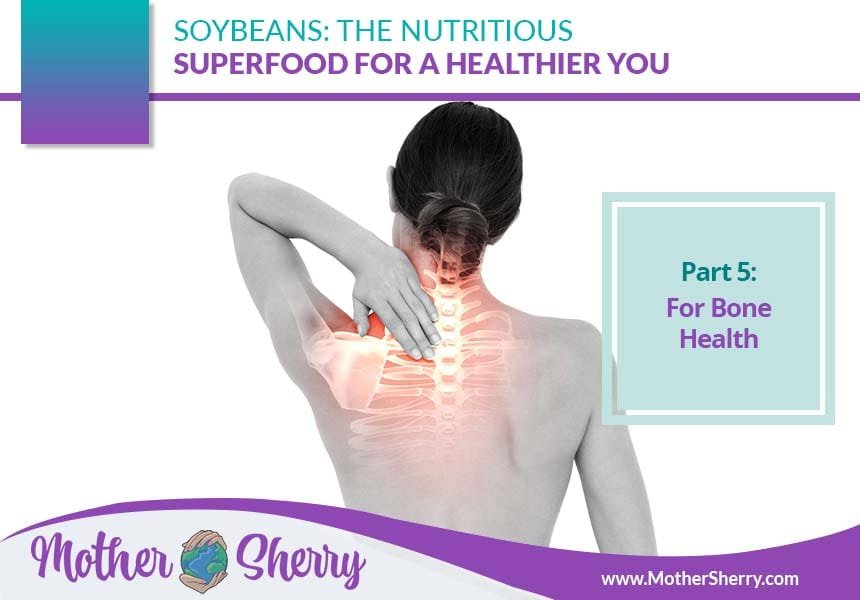
5For Bone Health

Soybeans contain several nutrients that are important for maintaining strong and healthy bones, including calcium, magnesium, and phosphorus. Additionally, soybeans are a rich source of protein, which is vital for building and maintaining bone mass. Some studies have also suggested that the isoflavones in soybeans may have a positive effect on bone health by reducing inflammation and improving bone density.

Osteoporosis is a condition in which the bones become fragile and are more prone to fractures. While several factors contribute to the development of osteoporosis, including age, gender, and genetics, diet and lifestyle factors also play a role. Consuming soybeans as part of a balanced diet may help reduce the risk of osteoporosis by providing the body with the nutrients it needs to build and maintain healthy bones. Additionally, the isoflavones in soybeans may have a direct effect on bone health, helping improve bone density and reduce the risk of fractures.

While the exact amount of soybeans needed for optimal bone health is not clear, most studies suggest that consuming at least 25-50 grams of soy protein per day is a good goal. This can be achieved by incorporating soybeans into the diet in various forms, such as edamame, tofu, and soy milk. Additionally, it is important to consume a balanced diet that includes a variety of nutrients for optimal bone health, including calcium, magnesium, phosphorus, and vitamin D. Consultation with a healthcare provider is recommended before making any changes to the diet, especially for individuals with underlying health conditions or taking any medications.

6For Menopause Support

Menopause is a natural biological process that occurs when a woman stops ovulating, and her reproductive system begins to slow down. During this time, many women experience physical and emotional symptoms, including hot flashes, night sweats, mood changes, and vaginal dryness. Some studies have suggested that soybeans may help reduce the severity of these symptoms by providing the body with isoflavones, which have a weak estrogen-like effect and may help regulate hormone levels.

Soybeans contain isoflavones, which are plant compounds that have a weak estrogen-like effect. Some studies have suggested that consuming soybeans may help reduce the severity of menopausal symptoms by regulating hormone levels and improving overall health. Additionally, soybeans are a rich source of protein, which is vital for maintaining muscle mass and strength, and they are low in fat, which can help maintain a healthy weight and reduce the risk of certain health problems.

The exact amount of soybeans needed for optimal menopause support is not clear, but most studies suggest that consuming at least 25-50 grams of soy protein per day is a good goal. This can be achieved by incorporating soybeans into the diet in various forms, such as edamame, tofu, and soy milk. However, it is vital to note that the effects of soybeans on menopausal symptoms may vary from person to person and that it is always best to consult with a healthcare provider before making any changes to the diet, especially for individuals with underlying health conditions or taking any medications. Additionally, it is vital to maintain a balanced diet and lifestyle for optimal health during and after menopause.

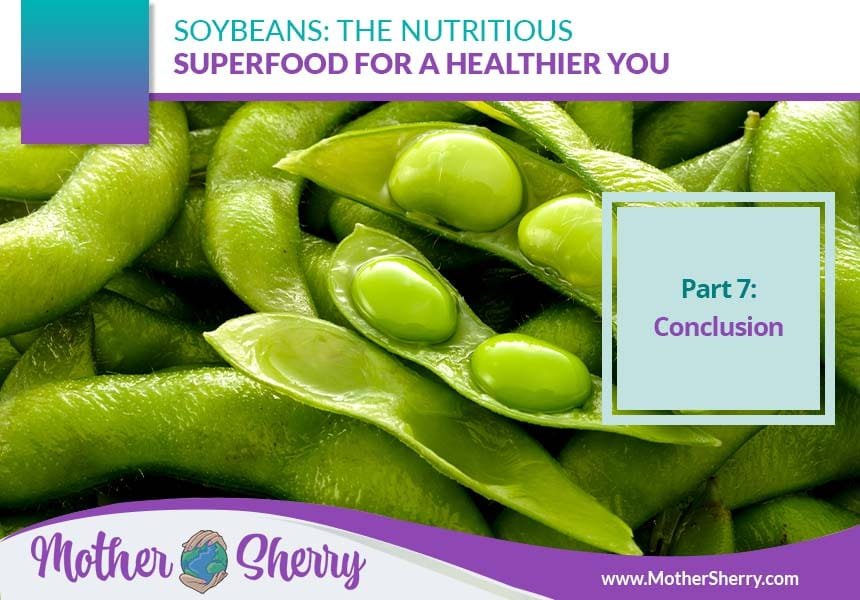
7Conclusion

Soybeans are versatile and nutritious food that offer a range of health benefits. They are an excellent source of protein, with a nutrient profile that is comparable to animal-based protein sources. Soybeans are also low in fat and contain a variety of micronutrients, including calcium, iron, and vitamin B6. Additionally, consuming soybeans has been associated with a reduced risk of heart disease, cancer, osteoporosis, and menopausal symptoms.

While there are many health benefits associated with consuming soybeans, there are also some limitations and cautions that should be considered. Some individuals may experience digestive problems or allergic reactions when consuming soybeans. Additionally, soybeans contain phytoestrogens, which may have an impact on hormone levels in some individuals. It is important to consult with a healthcare provider before making any changes to the diet, especially for individuals with underlying health conditions or taking any medications.

In conclusion, incorporating soybeans into the diet can offer a range of health benefits and is a great way to increase protein intake while reducing the risk of certain health problems. Whether enjoyed in the form of edamame, tofu, or soy milk, soybeans are a delicious and versatile food that can be easily incorporated into a healthy and balanced diet. For optimal health, it is recommended to consult with a healthcare provider before making any changes to the diet and to aim for a balanced and varied diet that includes a variety of healthy foods.

Nature’s Cure: The Health Benefits Of Cranberries

We all want to stay healthy and prevent illnesses, but it can be difficult to find the time or energy to make sure that we’re getting enough nutrients from our diets. Most of us settle for a less-than-optimal diet that leaves us vulnerable to illness and disease. Fortunately, there is an easy way to get the essential vitamins, minerals, antioxidants, phytochemicals, and other nutrients needed for optimal health: cranberries!

In this article, we’ll explore how cranberries can help support your urinary tract health, heart health, cancer prevention efforts, and immune system while still being delicious. Plus, they’re an excellent source of vitamin C! Read on to learn more about why you should add cranberries into your daily diet today for maximum benefits!

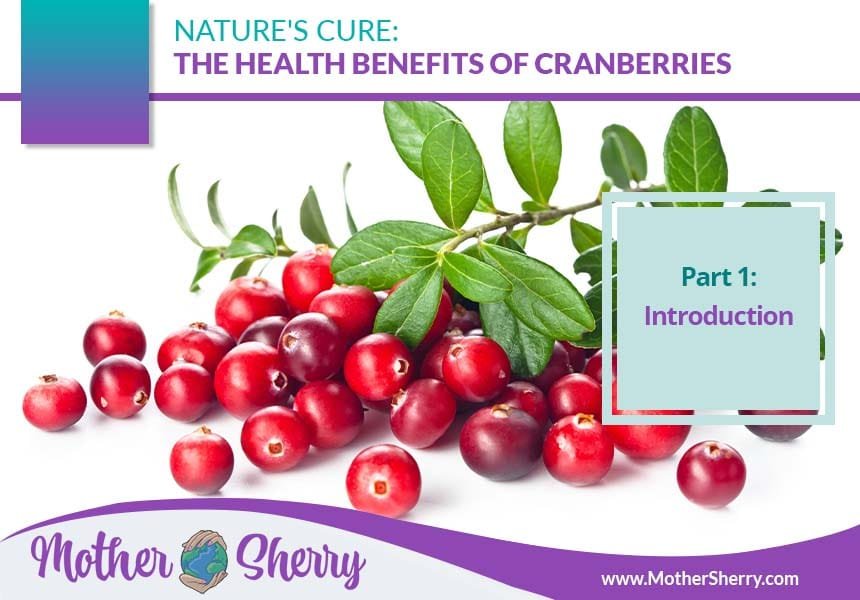
1Introduction

Cranberries are small, tart fruit that has been used for centuries for their health benefits. The power of cranberries comes from the unique combination of antioxidants, phytochemicals, and other nutrients that are found in this little berry. From fighting urinary tract infections to promoting heart health, there are many reasons to incorporate cranberries into your diet. Cranberries are also a versatile ingredient; they can be eaten fresh or dried or drunk as juice. They are also a good source of antioxidants and phytochemicals.

Cranberries are rich in antioxidants, which are vital for protecting the body from the harmful effects of free radicals. They also contain compounds called proanthocyanidins, which have been shown to have anti-inflammatory properties. Additionally, cranberries are a great source of vitamin C, fiber, and manganese. All of these nutrients work together to promote overall health and well-being. Cranberries are also known to be beneficial for urinary tract health and heart health, and research has shown that they may also have benefits for cancer prevention and immune system health.

Cranberries have been used for centuries by native people for their medicinal properties. Native Americans would use cranberries to treat a variety of ailments, such as urinary tract infections and digestive issues, and even as a dye for clothing. Cranberries have been used for centuries in traditional medicine, and today, scientists are still discovering new health benefits of this versatile fruit. Cranberries have been studied for their ability to promote urinary tract health, heart health, and possibly even cancer prevention. Cranberries continue to be a popular ingredient in modern medicine and in the food industry.

2Cranberries And Urinary Tract Health

Urinary tract infections (UTIs) are a common and often painful condition that affects many people. Cranberries have been shown to be effective in preventing and treating UTIs. The compounds found in cranberries, particularly proanthocyanidins, can prevent bacteria from adhering to the urinary tract walls, thus reducing the risk of infection.

Cranberries contain compounds called proanthocyanidins, which can prevent bacteria from adhering to the urinary tract walls. This is thought to be the primary mechanism by which cranberries help prevent UTIs. Cranberries also contain antioxidants and other compounds that may have anti-inflammatory effects, which can also help reduce the risk of infection.

Several studies have shown that cranberries can help prevent UTIs. One study found that women who drank cranberry juice twice daily had a significant reduction in the number of UTIs compared to those who did not drink cranberry juice. Another study found that cranberry supplements reduced the number of UTIs in older women living in nursing homes. Additionally, cranberry extract has been shown to be effective in preventing the adhesion of bacteria to urinary tract cells in laboratory studies. All these findings support the potential health benefits of cranberries for preventing urinary tract infections.

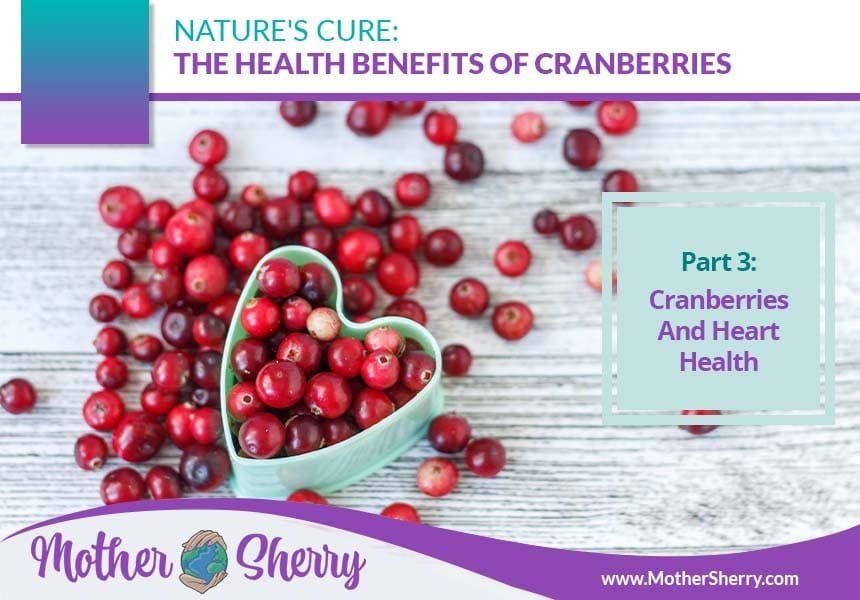
3Cranberries And Heart Health

Heart disease is a leading cause of death worldwide, and it is important to take steps to promote heart health and reduce the risk of heart disease. Cranberries are a natural food source that may play a role in maintaining a healthy heart. They are rich in antioxidants and phytochemicals that can help the heart.

The antioxidants and phytochemicals of cranberries may help protect the heart and blood vessels from damage. They also contain compounds called proanthocyanidins which have been shown to have anti-inflammatory effects. These compounds may help reduce the risk of heart disease by reducing inflammation in the body. Additionally, cranberries are a good source of vitamin C, which is vital for maintaining the health of the blood vessels and heart.

Research has suggested that consuming cranberries may have beneficial effects on heart health. A study found that cranberry extract may help improve the function of the endothelial cells that line the blood vessels. Another study found that cranberry extract may help reduce the risk of heart disease by reducing inflammation in the body. Additionally, a study on animals found that cranberry extract may help reduce the risk of atherosclerosis, a condition in which the blood vessels become narrowed or blocked by plaque. All these findings support the potential benefits of cranberries for heart health and their potential to lower the risk of heart disease.

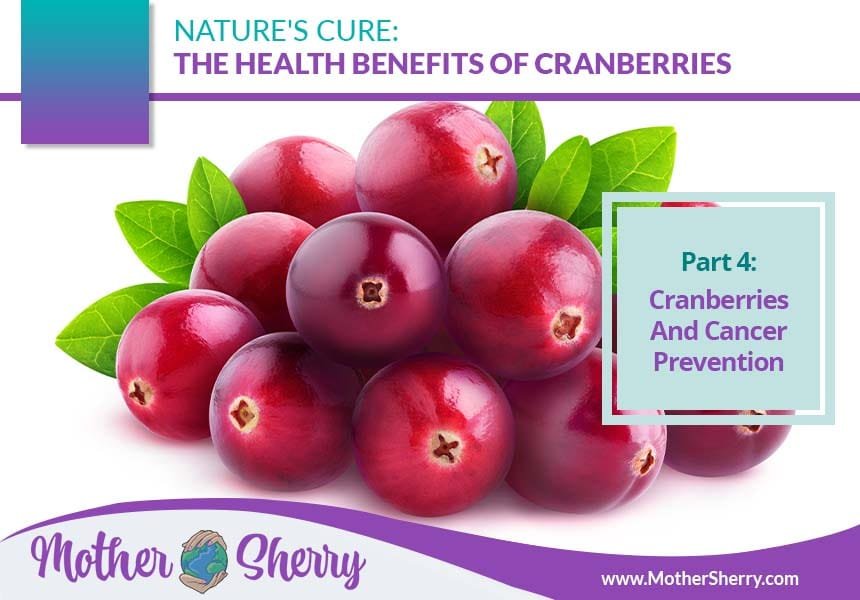
4Cranberries And Cancer Prevention

Cancer is a leading cause of death worldwide. It is important to take steps to reduce the risk of developing cancer. Cranberries have been shown to have potential anti-cancer properties and may help prevent the development and growth of cancer cells.

Cranberries contain a variety of compounds that may help prevent cancer, including antioxidants and phytochemicals. These compounds may help protect cells from damage and reduce inflammation in the body, which can contribute to the development of cancer. Cranberries also contain compounds called proanthocyanidins, which have been shown to have anti-cancer properties. These compounds may help inhibit the growth and spread of cancer cells.

Several studies have suggested that cranberries may have anti-cancer properties; a study found that cranberry extract may help prevent the growth of breast cancer cells. Another study found that cranberry extract may help inhibit the growth and spread of prostate cancer cells. Additionally, a study on animals found that cranberry extract may help reduce the formation of skin cancer tumors. While these studies are promising, more research is needed to fully understand the potential of cranberries in cancer prevention and treatment. However, these findings support the idea that cranberries may have anti-cancer properties, and, therefore, it is worth incorporating them into a healthy diet.

5Cranberries And Immune System Health

A strong immune system is essential for maintaining overall health and preventing illnesses. Cranberries have been shown to have potential immune-boosting properties and may help support the immune system. Cranberries contain a variety of compounds that may help support the immune system, including antioxidants, phytochemicals, and vitamin C. These compounds may help protect cells from damage, reduce inflammation in the body, and support the production of white blood cells, which are essential for fighting off infections. Cranberries also contain compounds called proanthocyanidins, which have been shown to have anti-inflammatory effects and may help support the immune system by reducing inflammation.

Several studies have suggested that cranberries may have immune-boosting properties. A study found that cranberry extract may help support the production of white blood cells, which are essential for fighting off infections. Another study found that cranberry extract may help reduce inflammation in the body, which can contribute to the development of illnesses. Additionally, a study on animals found that cranberry extract may help reduce the risk of infections by supporting the immune system. While more research is needed to fully understand the potential of cranberries in supporting the immune system, these findings suggest that cranberries may have immune-boosting properties and may be beneficial for maintaining overall health.

6Conclusion

Cranberries have been used for centuries for their health benefits, and recent research has continued to support the potential health benefits of this versatile berry. Cranberries have been shown to be beneficial for urinary tract health, heart health, cancer prevention, immune system health, and overall well-being. Cranberries are small, tart fruit that is rich in antioxidants, phytochemicals, and other nutrients that work together to promote overall health and well-being. Cranberries have been found to be beneficial in preventing and treating urinary tract infections, promoting heart health, possibly preventing cancer, and supporting the immune system. Cranberries are also a good source of vitamin C, fiber, and manganese.

Cranberries can be enjoyed in a variety of ways, such as fresh, dried, or juiced. It’s also a good idea to include cranberry supplements in your diet but always check with your doctor or healthcare professional before starting any new supplement regimen. Cranberries can also be added to salads, yogurt, or oatmeal or used as a topping for pancakes or waffles. They can also be used to make jams, jellies, and sauces for meats or desserts. Incorporating cranberries into your diet is a delicious and easy way to experience the health benefits of this versatile berry.

In conclusion, cranberries are a versatile and delicious fruit that can be enjoyed in many ways, from fresh to dried or as juice. Not only do cranberries taste great, but they offer numerous health benefits, such as supporting the urinary tract, heart health, cancer prevention efforts, and the immune system. Cranberry supplements may also help you get more of these beneficial nutrients into your diet. Incorporating this nutrient-dense berry into your daily routine is an easy way to experience all the health benefits it has to offer without sacrificing taste! Don’t forget to check with your doctor or healthcare professional before starting any new supplement regimen, and enjoy adding cranberries into salads, yogurt, oatmeal, or even pancakes for maximum benefit.

Chamomile For Health

Chamomile is a plant that can have many health benefits. Some of them include fighting anxiety and depression, keeping teeth and gums healthy, and improving digestion. You might even find that you can improve your heart health with it.

What Chamomile Is

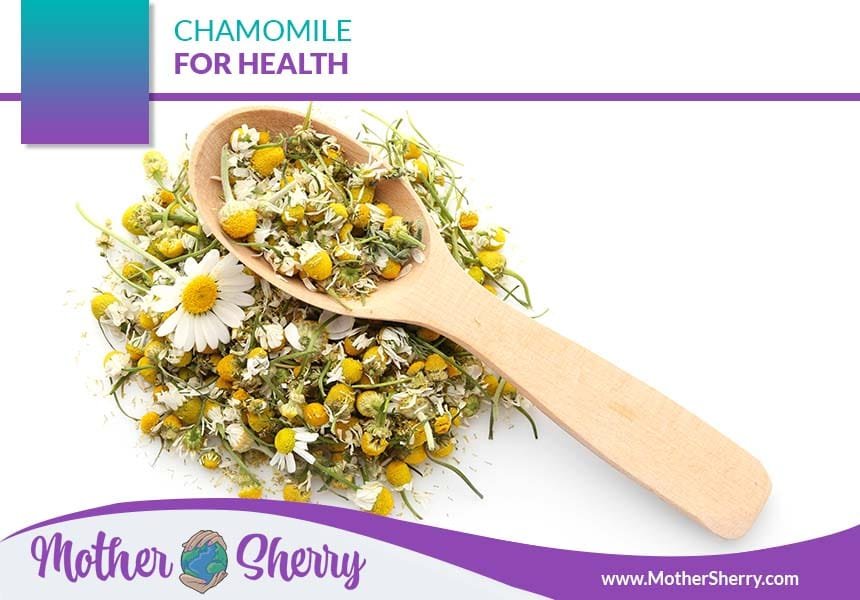
Chamomile is a flower that’s often used as a natural remedy. It is part of the daisy family and has a soothing scent. The plant can be dried and turned into teas, extracts, oils, or pills. Chamomile is considered safe in most people, although it can cause allergic reactions. For this reason, those with skin sensitivity should check with their doctor before taking chamomile.

Chamomile has been used for centuries around the world to treat various health conditions. It has anti-inflammatory, antioxidant, and calming effects that can help improve your overall health. It was first cultivated in Egypt and has since become popular in many parts of the world.

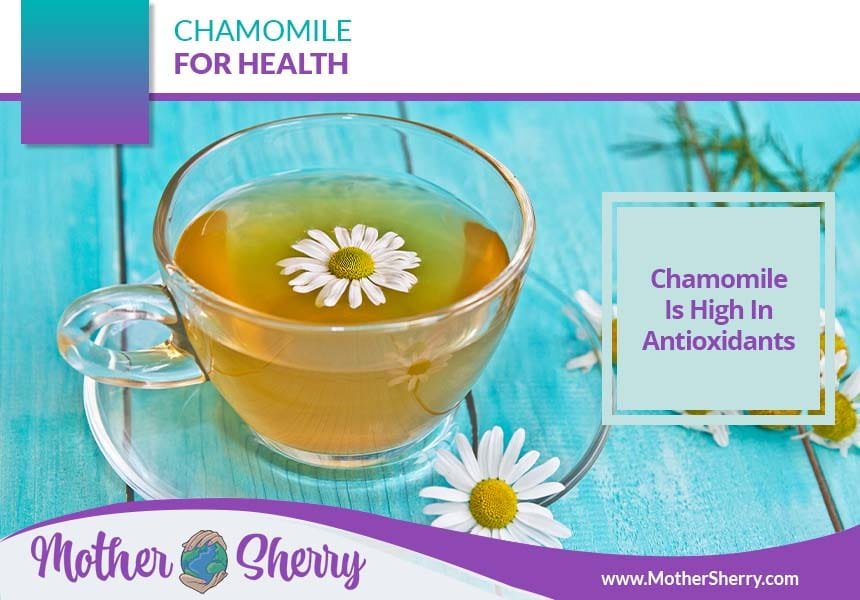
Chamomile Is High In Antioxidants

Chamomile is a powerful antioxidant that fights against free radicals. Free radicals can cause damage to many body systems, including the skin. It has been shown to prevent cancerous tumor growth. Free radical damage is linked to several diseases, including cancer and heart disease. By consuming chamomile regularly, you can reduce the risk of developing such conditions.

One of the main antioxidants in chamomile is apigenin. This compound is known for its anti-inflammatory effects, and it appears to have the ability to fight cancer. It also has anti-fungal and anti-bacterial properties.

Chamomile Fights Anxiety And Depression

Chamomile is an ancient medicinal herb that is believed to have positive effects on anxiety and depression. It helps ease the mind by reducing stress and promoting relaxation. Chamomile can also help fight insomnia, which is a common symptom of both depression and anxiety.

It may also have benefits for those with other mental health conditions, such as bipolar disorder and post-traumatic stress disorder (PTSD). Studies have shown that chamomile extract had a positive effect on anxiety, depression, and other mental health symptoms.

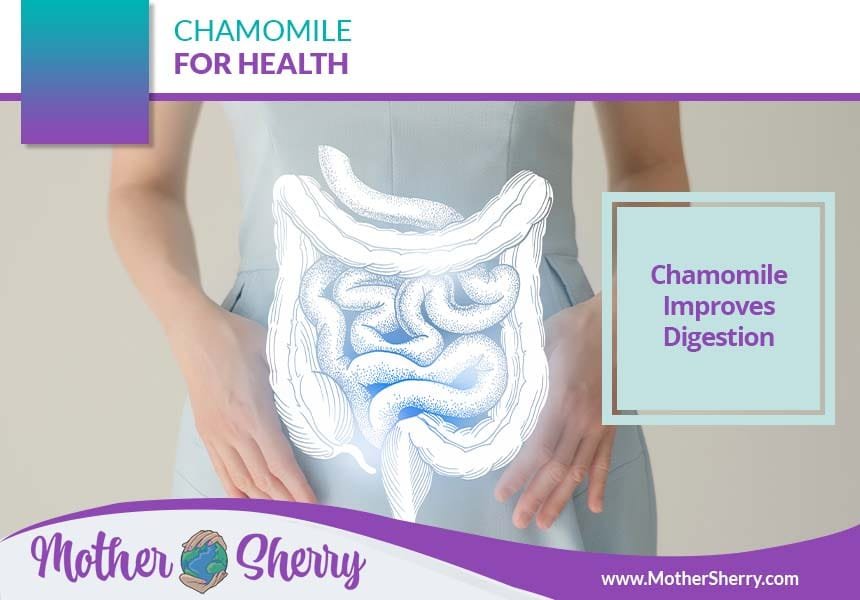
Chamomile Improves Digestion

If you suffer from digestive problems, chamomile may help you to improve the issues in your gut. Chamomile is an herb that helps to soothe the lining of the intestines, reduces inflammation and spasms, and relieves pain. It also increases the secretion of digestive juices and prevents bacterial growth.

Chamomile has been used for a number of gastrointestinal disorders, including colic and irritable bowel syndrome. The tea is believed to be especially effective in relaxing the intestines and promoting better digestion. Chamomile can be used to treat menstrual cramps, indigestion, and acid reflux. It may improve glycemic control, reduce anxiety, and promote bone health. Studies have also shown that chamomile can decrease the pain and discomfort associated with pregnancy.

Chamomile Is Anti-Inflammatory

Chamomile is very well known for its anti-inflammatory properties. Studies have shown that it can reduce inflammation throughout the body and help to relieve pain associated with conditions such as arthritis and gout. It has also been found to be beneficial for skin conditions such as eczema and psoriasis.

Chamomile is high in flavonoids, which are compounds with powerful anti-inflammatory and antioxidant effects. By reducing your body’s inflammation, you can improve your overall health and reduce your risk of developing chronic diseases.

Chamomile Promotes Skin Health

Chamomile helps to maintain skin health by reducing inflammation and soothing irritated skin. It has anti-bacterial, anti-fungal, and anti-inflammatory properties that can help to prevent acne breakouts. The tea can also be used as a facial toner to help reduce redness and improve skin tone.

Chamomile is also high in antioxidants that protect the skin from harmful free radicals and environmental stressors. It can help to reduce the signs of aging and promote a healthy, glowing complexion. Historically, Egyptian women would crush the flowers and apply them to their skin. This process is reminiscent of modern treatments for acne, eczema, and other skin irritations. Dried chamomile flowers have high levels of disease-fighting antioxidants, terpenoids, and flavonoids. These compounds reduce inflammation, relieve soreness, and improve wound healing.

Chamomile Keeps Your Teeth And Gums Healthy

Chamomile has a wide range of benefits for keeping teeth and gums healthy. These include anti-inflammatory, antioxidant, and soothing properties. It also has healing and soothing properties for skin, wounds, and oral cavity infections. Using chamomile tea, chamomile essential oil, and chamomile capsules can help you keep your teeth and gums healthy.

A variety of scientific studies have shown chamomile’s ability to fight infection in the mouth and digestive tract. In particular, chamomile is known to help reduce the symptoms of gum inflammation, such as bleeding and swelling. It can also protect against cavities and canker sores while promoting healthy teeth and gums. The tea also helps to keep bad breath at bay.

Chamomile May Improve Heart Health

Several studies have shown that chamomile can also benefit the heart. Chamomile has been found to lower cholesterol and improve blood pressure. It can also improve blood sugar, which can help to reduce the risk of developing type 2 diabetes. The tea also contains high levels of antioxidants, which can protect against oxidative stress and reduce inflammation.

If you have low blood sugar, chamomile tea may be beneficial. Studies have shown that the tea can help to regulate blood sugar levels and prevent spikes in blood sugar after meals.

In conclusion, chamomile is an incredibly versatile and beneficial herb. It has a wide range of medicinal benefits, including anti-inflammatory, antioxidant, and soothing properties. It can also improve digestive health, skin health, dental health, heart health, and blood sugar control. If you are looking for a natural way to promote overall well-being, then chamomile may be the answer.

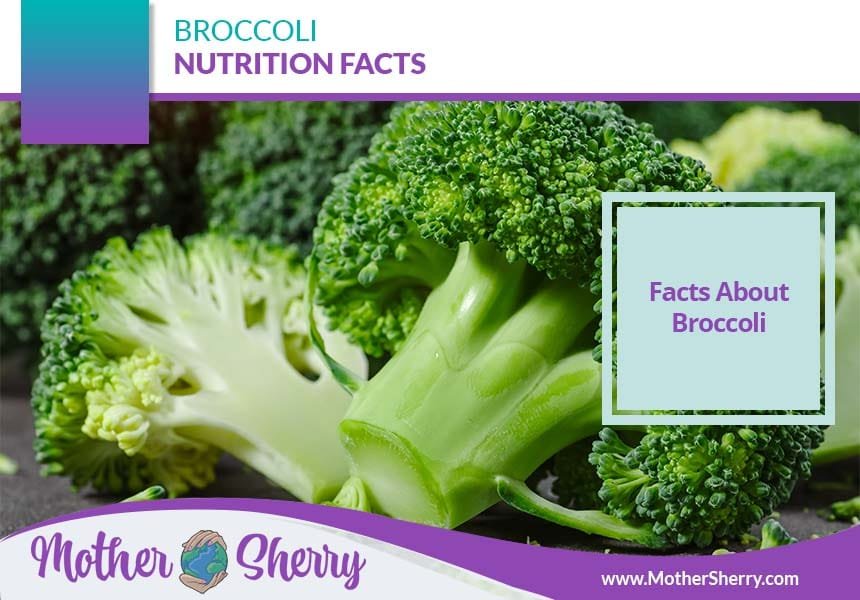
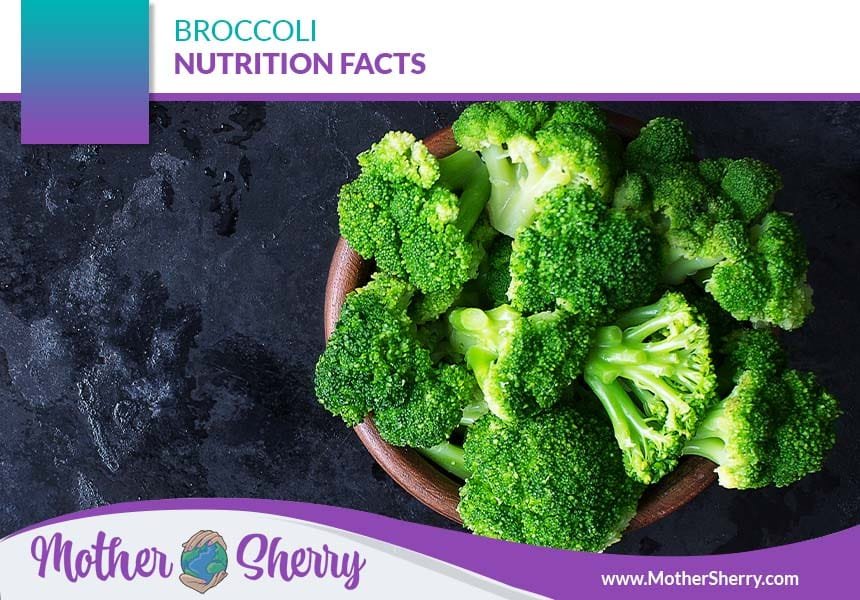
Broccoli Nutrition Facts

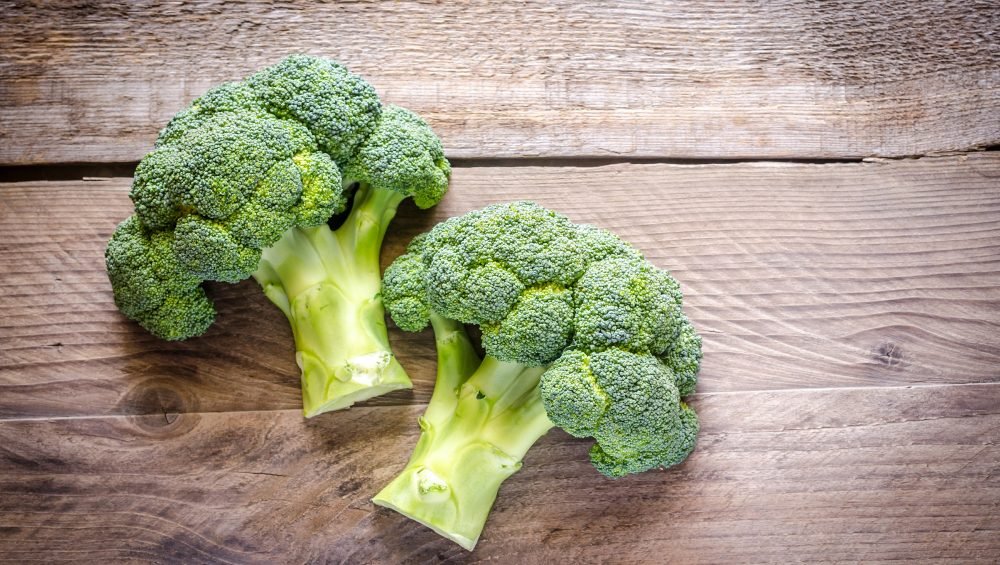
Adding broccoli to your diet can help you with a number of health benefits. For example, it helps strengthen the bones and improves gut health. It also promotes healthy skin and maintains eye health. Broccoli is packed with essential vitamins and minerals, including vitamins A, C, K, B6, magnesium, iron, and potassium.

It is also an excellent source of dietary fiber and protein. In addition, it contains a type of plant compound called sulforaphane, which has powerful anti-inflammatory and antioxidant properties. All these benefits make broccoli an excellent food for maintaining overall health and wellness.

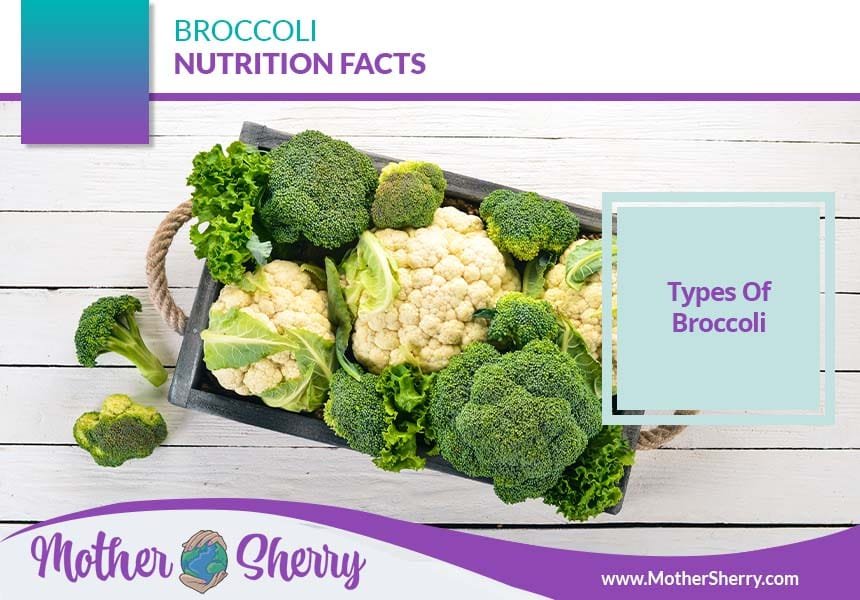
Types Of Broccoli

There are several colors of broccoli, including white, green, and purple varieties. White broccoli is the most popular variety and has a mild flavor. Green broccoli is slightly bitter in taste and has more intense nutritional properties than white broccoli. Purple broccoli contains high amounts of anthocyanins, which are antioxidant compounds that have anti-cancer and anti-inflammatory benefits.

There are also types of broccoli, like broccolini and sprouting broccoli. Broccolini is a hybrid between standard broccoli and Chinese kale, which has a milder flavor and crunchier texture than regular broccoli. Sprouting broccoli is a type of baby broccoli that’s harvested before it fully matures, giving it a milder flavor and softer texture than mature heads.

Facts About Broccoli

Besides being a great source of vitamin C, broccoli nutrition facts also include potassium, magnesium, zinc, and iron. These nutrients are crucial for maintaining strong bones. In addition to its antioxidant properties, broccoli contains several phytonutrients that may help protect the eye from age-related disorders. Specifically, lutein and zeaxanthin may prevent cellular damage in the eyes.

Another phytonutrient, alpha-linolenic acid, has been linked to improved circulation and digestive health. It also helps promote immune system function and reduce inflammation. In addition to these benefits, broccoli has been found to have an anti-cancer effect.

Vitamin K, another essential nutrient in broccoli, is vital for maintaining bone mineral density. It also helps with blood clotting. In addition, high levels of calcium in broccoli help prevent bone deficiency.

Sulforaphane is a powerful bioactive compound in broccoli that can help control cholesterol levels, manage diabetes, and lower the risk of chronic disease. It also promotes the production of metabolic compounds that may help delay the process of aging. Other antioxidants found in broccoli include choline, selenium, and beta-carotene. These antioxidants are important for reducing free radicals that may cause cell damage. They can also help fight numerous infections.

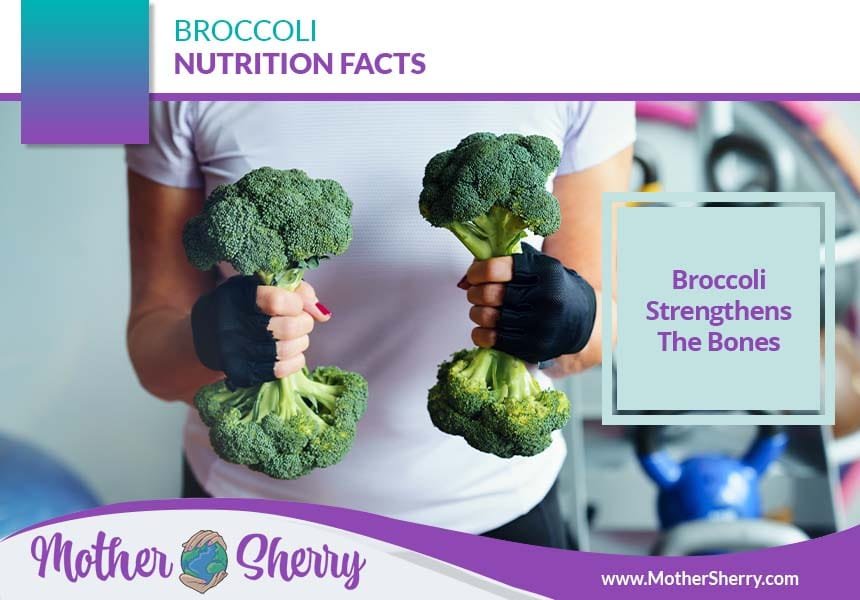
Broccoli Strengthens The Bones

Strengthening bones is one of the many benefits of broccoli. It contains high levels of vitamin K, which helps improve bone mineral density. Vitamin K also helps with blood clotting, which is vital for preventing fractures and other injuries. In addition, broccoli contains a type of plant compound called sulforaphane, which has anti-inflammatory properties. This compound encourages the production of metabolic compounds that can delay the aging process.

Broccoli is also high in calcium, which helps keep the bones strong and prevents bone disorders like osteoporosis. This essential mineral also helps the body absorb other important minerals, like iron, zinc, and magnesium, more effectively. Finally, broccoli contains several antioxidants that can help protect against cell damage by reducing free radicals. This can help reduce the risk of age-related diseases like arthritis and cancer.

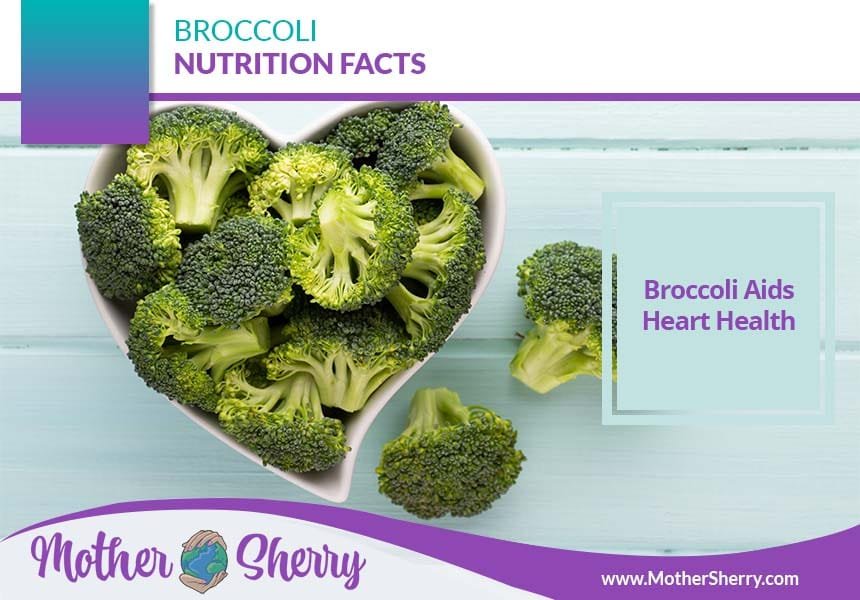
Broccoli Aids Heart Health

Having broccoli can benefit your heart health. It is rich in potassium, which helps lower blood pressure. This important mineral can reduce the risk of stroke and other cardiovascular diseases.

Broccoli also contains several antioxidants, like vitamin C and beta-carotene, that help protect against cell damage. These compounds can help improve circulation and reduce inflammation. The powerful bioactive compound sulforaphane found in broccoli can help reduce bad cholesterol levels and improve diabetes management. This can lead to a healthier heart and reduced risk of cardiovascular disease.

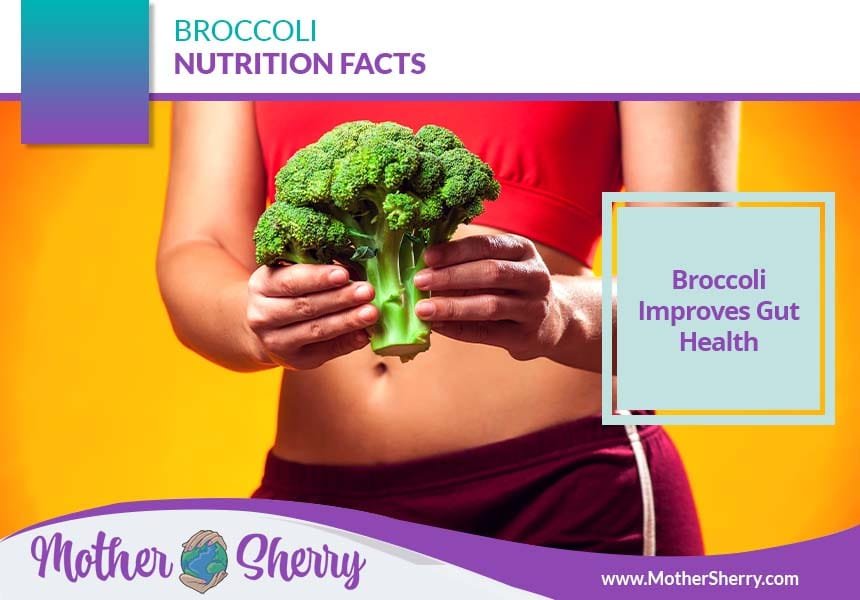
Broccoli Improves Gut Health

Adding broccoli to your diet can improve gut health. The vegetable is full of antioxidants, which can protect your cells from damage from free radicals and other environmental stressors. It’s also a good source of fiber.

Researchers at Penn State University have found that eating broccoli improves the health of your gut. The research is based on a controlled feeding study in healthy adults. The subjects ate about 15 percent of their daily caloric intake in the form of broccoli. They were divided into two groups and fed the broccoli for 18 days. After the washout period, the group that ate broccoli had favorable changes in their gastrointestinal microbiota.

The changes were attributed to the broccoli’s protein families, which include family members involved in cellular transportation and transcription regulation. In addition, these cruciferous vegetables activate a receptor on the gastrointestinal lining. This receptor is called an Ah receptor (AHR). AHR is thought to help maintain gut health.

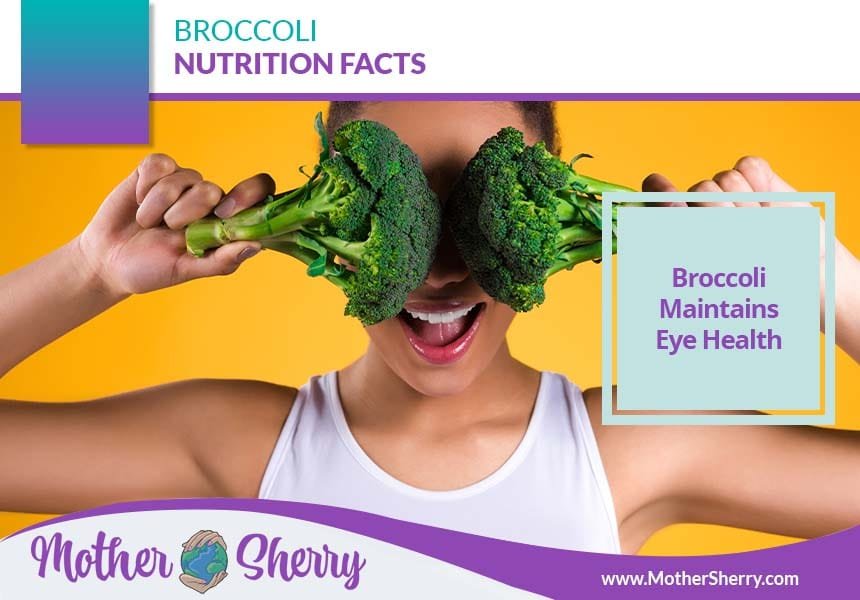
Broccoli Maintains Eye Health

Whether you are trying to prevent age-related macular degeneration (AMD) or just want to keep your eyes healthy, broccoli is a great food to include in your diet. It’s loaded with vitamins and minerals that are critical for good eye health. Broccoli is rich in vitamin A and beta-carotene, which are both needed to maintain good vision. It also contains lutein, which helps protect your eye from damage caused by sunlight. This helps delay the onset of cataracts and macular degeneration, two eye disorders that can cause vision loss.

Sulforaphane, a naturally-occurring antioxidant in broccoli, helps protect your eye from damage by free radicals. Sulforaphane also kills bacteria in your stomach; this helps prevent ulcers and heart disease. Broccoli is also a good source of vitamin C, which helps your eyes and immune system work properly. Vitamin C is a powerful antioxidant. A diet rich in vitamin C may help reduce your risk of developing age-related macular degeneration.

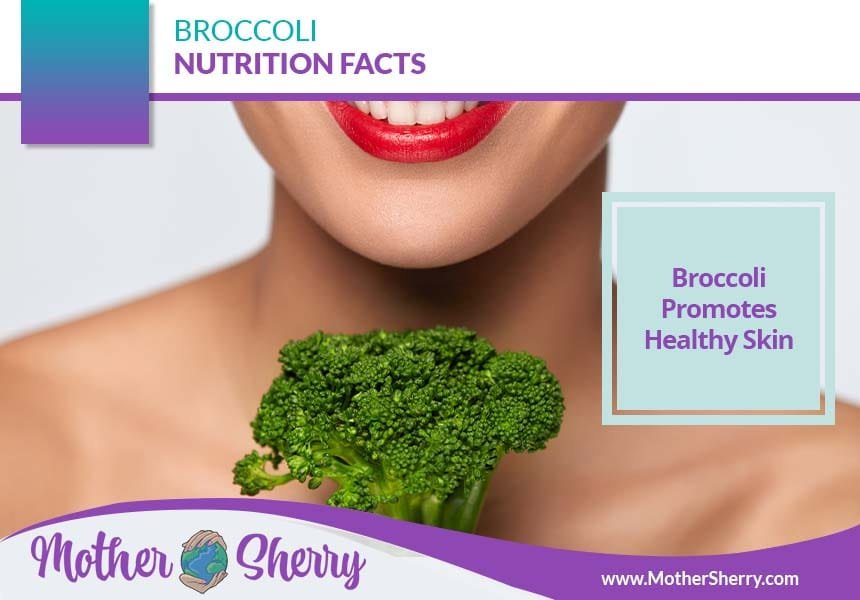
Broccoli Promotes Healthy Skin

Adding broccoli to your daily diet can help you achieve healthy skin. This powerful vegetable is packed with antioxidants, minerals, and vitamins that keep your skin soft, supple, and glowing. The antioxidants found in broccoli help protect your skin from harmful oxidative damage. This is important because exposure to the sun can damage your skin and lead to aging.

Broccoli also contains vitamin C, a nutrient that helps your body produce collagen, the main component of your skin. Collagen keeps your skin firm and elastic and reduces wrinkles. It also helps repair damaged skin.

This superfood also contains antioxidants that fight free radicals. These harmful molecules are caused by environmental stresses, such as pollution. This can cause oxidative stress in the skin, which can lower the elasticity and moisture of your skin. Broccoli also promotes the production of collagen, a fiber that helps protect blood vessels and promotes healthy hair.

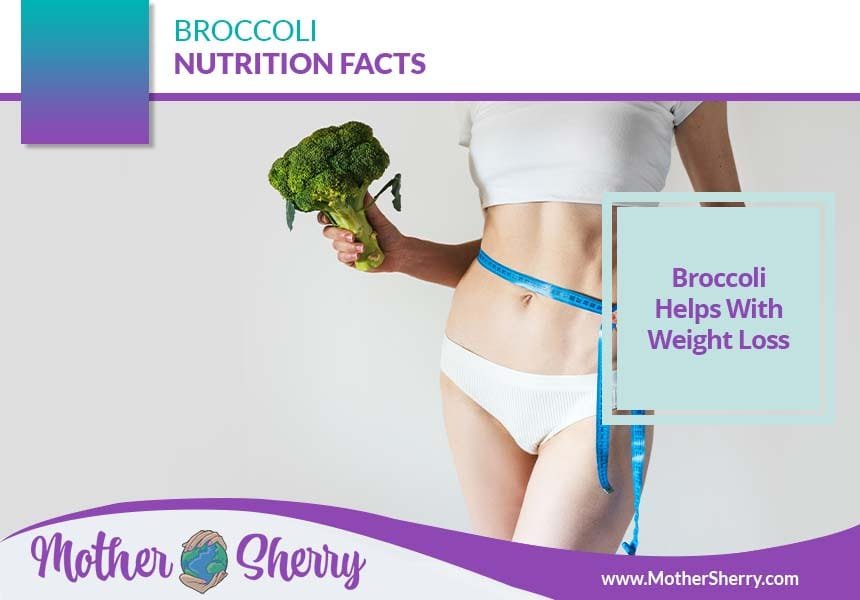
Broccoli Helps With Weight Loss

Broccoli can also help you lose weight. This cruciferous vegetable contains essential vitamins and minerals; it is also a good source of protein. The high fiber content of this vegetable helps your bowel function. It also helps you feel full for longer, thus reducing the risk of overeating. The dietary fiber in broccoli also works to keep your blood sugar levels low.

Another benefit of broccoli is that it can help you burn belly fat. It also contains carotenoids, which promote fat loss by increasing your metabolism. The protein and fiber in this vegetable can help control hunger, which can lead to weight loss.

Broccoli is a superfood that provides many health benefits. It has been linked to improved gut health, eye health, and skin health. It can help with fat loss.

Add broccoli to your diet. It is an easy way to maintain good health. So make sure to include this vegetable in your meals regularly!

Select the fields to be shown. Others will be hidden. Drag and drop to rearrange the order.
  • Image
  • SKU
  • Rating
  • Price
  • Stock
  • Availability
  • Add to cart
  • Weight
  • Dimensions
Compare
Shopping cart close