
Free domestic shipping for orders over $99.

Selenium Benefits And Foods For Your Body

Having a diet that is high in selenium benefits your body in many ways. It is a mineral that is known to help your heart and thyroid function. It can also prevent cancer.

It helps ensure that your body has enough antioxidants. These fight off free radicals that can damage cells. It also helps in the absorption of vitamin E.

What Selenium Is

Selenium is an essential mineral that is found in the soil. It can be absorbed by plants. It is then passed on to humans when they eat those plants or products made from them.

Selenium occurs naturally in some foods, such as nuts, seafood, grains, and eggs. It can also be purchased and taken in supplement form. It has several benefits, including protection against certain forms of cancer, improved heart and thyroid health, and enhanced reproductive health.

Selenium Antioxidants In Foods

Selenium is rich in antioxidants that can help protect your cells from harmful free radicals that can damage them. Free radicals are molecules in the environment that can be caused by things such as smoking, pollution, and UV radiation. These molecules can cause mutations in your cells.

These can lead to cancer or other illnesses. Selenium helps neutralize these free radicals. It prevents them from causing damage to your cells.

Selenium For Thyroid Health

The thyroid plays a role in numerous normal body functions. It regulates metabolism, growth, and development; it’s also responsible for the production of hormones. It produces triiodothyronine, which increases the basal metabolic rate. Thyroid dysfunction can cause muscle aches and fatigue. Thyroid glands contain the highest concentration of selenium in the body; this trace mineral is essential for the conversion of thyroxine to T3.

This means that getting the proper amount of selenium is important for maintaining thyroid health. Selenium helps convert inactive thyroid hormones into active forms, which help regulate the body’s metabolism. It also helps improve the function of the thyroid gland, which is vital for maintaining a healthy weight.

Some researchers have suggested that selenium may be able to reduce the inflammatory activity that occurs in thyroid conditions. It has been found that people with Hashimoto’s thyroiditis, a type of autoimmune disorder, have low serum selenium levels. This has been associated with the development of the disease. In addition, research suggests that selenium may help protect the thyroid gland from oxidative stress. Oxidative stress causes cell damage, which can lead to chronic diseases.

Selenium For Heart Health

Several studies have demonstrated that selenium plays an important role in cardiovascular health. It helps reduce inflammation and plaque buildup in the arteries, which can lead to heart attack or stroke. In addition, selenium may help lower cholesterol levels and improve blood pressure. This mineral also helps protect against oxidative damage to the cells of the heart muscle.

Selenium has also been found to reduce the risk of developing coronary artery disease. One large study found that people with higher levels of selenium in their blood had a lower risk of developing coronary artery disease compared to those with lower levels. Selenium can also help reduce the risk of stroke. In one study, researchers looked at more than 25,000 people and found that those with higher selenium levels had a lower risk of stroke than those with lower levels.

Selenium For Cancer Prevention

Increasingly, scientific interest is being focused on the cancer-preventive benefits of selenium. This trace element has been shown to play a role in the prevention of several forms of cancer and may also help decrease the toxicity of chemotherapy. Some studies suggest that selenium may help reduce the risk of certain types of cancers, such as lung and colon cancer. Other research has indicated that higher levels of selenium in the blood can decrease the incidence of prostate cancer. In addition, some studies have found a link between higher selenium intake and lower rates of breast cancer.

Selenium may help protect against cancer by increasing the activity of antioxidant enzymes that can reduce oxidative stress and prevent DNA damage. It has also been shown to inhibit the growth and spread of certain cancer cells. Additionally, selenium can interact with other nutrients, such as vitamin E, which further enhances its protective effects on cells.

Foods Rich In Selenium

The best kinds of food to get selenium are Brazil nuts, fish, shellfish, whole grains, eggs, and poultry. Other good sources of selenium include fortified cereals and oatmeal, sunflower seeds, mushrooms, spinach, and whole-wheat bread. Selenium can also be taken as a supplement in the form of tablets or capsules.

The recommended daily intake for adults is 55 mcg per day, with pregnant and lactating women needing slightly more. It is vital to note that taking too much selenium can be harmful. Therefore, it is best to consult your healthcare provider before taking a supplement.

Taking Too Much Selenium

While it is important to make sure that you get enough selenium, it is also vital to be aware of the potential toxicity of high doses. Overdosing in selenium can lead to serious health problems, such as hair loss, skin lesions, and fatigue. It is best to get your selenium from food sources rather than supplements. You should also watch out for selenium’s interaction with other medicines. Some medicines used to treat high cholesterol, for example, may interfere with selenium.

The best way to obtain selenium is to eat a varied, whole-food diet. This includes fruits, vegetables, nuts, beans, and whole grains. All these foods contain a variety of minerals, vitamins, and other nutrients that benefit your health.

In conclusion, selenium is an important mineral with a number of health benefits. It can help reduce inflammation, protect against oxidative damage, and reduce the risk of several types of cancer. Selenium should be obtained through a balanced diet rather than supplements.

Be sure not to take too much selenium. This can lead to serious health problems. Consult your healthcare provider before taking a supplement.


The Benefits Of Magnesium Glycinate

Using magnesium glycinate as a supplement can provide a number of benefits to your body. It can reduce anxiety, treat headaches, and help improve your sleep. It can also help lower your blood pressure.

Additionally, magnesium glycinate can help reduce symptoms associated with PMS, menstrual cramps, and other menstrual-related issues. Magnesium glycinate is also beneficial for athletes. It helps the muscles relax after a strenuous exercise.

What Magnesium Glycinate Is

Magnesium glycinate is a combination of the mineral magnesium and amino acid. It is often used as a supplement to help you meet your daily recommended magnesium intake, which can be difficult with just diet alone. Additionally, it is more readily absorbed in the body than other forms of magnesium supplements. This means that you will get the most benefit from taking magnesium glycinate as a supplement.

You can also get magnesium from nuts, legumes, and other whole foods. It can also be taken in the form of supplements. You can take magnesium at any time of the day. It is inexpensive and safe to use. It is recommended that you talk to your doctor about your specific needs.

Uses Of Magnesium Glycinate

Taking magnesium glycinate can have many benefits for the body. The supplement has been shown to improve sleep, regulate blood sugar levels, alleviate muscle aches, and more. These benefits have been attributed to the amino acid’s ability to relax the muscles in the stomach and intestines.

Magnesium is a vital mineral that works with calcium to help maintain normal blood pressure. It also helps prevent cardiovascular diseases by keeping the arteries clear. In addition, it works as an anti-inflammatory agent, promoting healthy bones.

Magnesium supplements are believed to increase cognitive functions. They can also reduce anxiety. They can also improve blood sugar control, boost mental performance, and increase sleep. However, you should not take more than the recommended dosage, as taking too much can be dangerous. In some cases, too much magnesium can cause death.

It is also important to get enough magnesium from your diet. Magnesium-rich foods include nuts, seeds, and beans. However, you should avoid magnesium supplements if you are pregnant or nursing. It is also important to consult a physician before taking any type of supplement.

Magnesium Glycinate Improves Sleep Quality

Taking magnesium glycinate, which is a combination of magnesium and glycine, might help you sleep better. It also helps with anxiety and pain. It promotes muscle relaxation and improves the REM cycle. It can also be used with valerian root, which also improves sleep.

It is believed that magnesium improves sleep by regulating neurotransmitters, including melatonin. It also plays a role in blood sugar regulation. It may also reduce the symptoms of depression. It may also help with restless leg syndrome. Magnesium also plays a role in maintaining GABA levels in the brain. GABA is a neurotransmitter that helps reduce brain-to-central nervous system communication, slowing nerve activity.

It is also thought that magnesium promotes the production of melatonin, a hormone that helps promote restful sleep. The amount of sleep you get may have a significant impact on your overall quality of life. There is evidence that magnesium can improve your sleep quality, especially in older adults. It may also help reduce anxiety and improve focus. It also helps balance the parasympathetic and sympathetic nervous systems, which are often disrupted by stress.

Magnesium Glycinate Reduces Anxiety

Taking magnesium glycinate supplements may help reduce anxiety. It works by lowering cortisol, which is a stress hormone. It also reduces inflammation and increases GABA levels in the brain. Magnesium is a major neurotransmitter, acting on a number of neurotransmitter receptors in the brain.

There are many supplements on the market that are designed to calm your mind. However, many of these contain caffeine or other stimulants. Magnesium glycinate is a natural supplement that can help you relax without the need for caffeine. It is also believed that magnesium helps balance out serotonin levels in the brain. Serotonin is a neurotransmitter that helps regulate mood and anxiety levels.

Magnesium Glycinate Reduces Depression

Taking magnesium is a proven way to reduce depression. It helps regulate the neuronal excitability of your brain. It also works to improve your stress response. It supports the muscles and bones and also stabilizes your blood pressure.

Magnesium can also help your sleep cycle. If you are unable to sleep, it can affect your mood and overall health. It can also lead to feelings of anxiety, which can lead to depression. It may also lead to restless leg syndrome, which can be uncomfortable in the legs and arms.

Magnesium has been found to be as effective as prescription antidepressants in treating depression. However, the studies have not been double-blinded. If you are taking antidepressants, consult your doctor before taking magnesium.

Magnesium Glycinate Can Help Treat Headaches

Taking magnesium glycinate can help treat headaches and improve memory. It also works to reduce inflammation. It can even help prevent migraine headaches. It works with calcium to support proper blood pressure levels. It may also help relieve muscle tension and muscle cramping.

Magnesium can also block pain-transmitting chemicals in the brain. It may also help abort migraine attacks. It has also been shown to reduce the severity of leg cramps.

Magnesium Glycinate Benefits Blood Pressure

Taking magnesium glycinate can help lower blood pressure. It also reduces inflammation and helps maintain the health of the kidneys. It is one of the most bioavailable forms of magnesium.

Taking magnesium glycinate can also improve your memory. It can also help reduce fatigue and improve your sleep. It can also help your cholesterol levels stay in check. Taking magnesium glycinate can reduce your risk of Type 2 diabetes. It can also help prevent breast cancer.

In addition, magnesium glycinate has been shown to reduce the risk of stroke. It also reduces the intensity of leg cramps during pregnancy. It’s a good supplement to take if you have high calcium levels, as it helps keep the arteries clear.

Magnesium is a key element for proper cell function and neurological health. Deficiency is common and can cause muscle cramps, weakness, and insomnia. Many medications and processed foods deplete magnesium. It is important to get enough magnesium from food and supplements.

Dosage Of Magnesium Glycinate

If you’re interested in taking magnesium supplements, talk to a doctor or healthcare professional before taking any. You should also read the label on magnesium glycinate products carefully to make sure that you’re not getting too much of any unwanted ingredients. Generally, the recommended magnesium dosage is 400 mg per day. However, the dosage may vary depending on your individual needs and health condition.

You should also be sure that magnesium glycinate is the right form of magnesium for you. Some magnesium supplements are not well absorbed by your body. If you’re unsure, it may be best to try magnesium citrate instead; magnesium glycinate is one of the most bioavailable forms of magnesium. This makes it easy for your body to absorb; it is also less likely to cause diarrhea or laxative effects than other forms. Magnesium glycinate products may also contain other vitamins and minerals to help with digestion.

In conclusion, magnesium glycinate is a great way to get your daily dose of magnesium. It is one of the most bioavailable forms. It can help with many health issues, from headaches to high blood pressure.

Consult your doctor before taking any supplements. Read the product label carefully to make sure that you’re getting the right dosage for yourself. With proper use, magnesium glycinate can be a great way to support your overall health.

Pyridoxine: Learn How Vitamin B6 Can Improve Your Health

Pyridoxine, also known as Vitamin B6, is a water-soluble vitamin that can be found in many plant-based foods. This vitamin has numerous benefits for adults, such as improved brain function and moods, reduced stress levels, and healthier skin and hair. To enjoy these health benefits as an adult, you need to make sure you are getting enough pyridoxine in your diet. Keep reading to learn more about how you can be sure you are getting enough of this important vitamin.

Pyridoxine And Its Benefits

Pyridoxine is an important water-soluble vitamin that helps with many different bodily functions, including protein metabolism and red blood cell production. Pyridoxine is also crucial for nerve function and can help prevent damage to nerves. Some research has also shown that pyridoxine may help prevent carpal tunnel syndrome and other nerve-related conditions.

Pyridoxine was first discovered in 1904 by two German scientists, who named it vitamin B6 because it was the sixth compound that they had identified as a vitamin. Pyridoxine is found in many different foods and is important for many different functions in the body. It is especially important for nerve function and can help to prevent nerve damage. Some research has also shown that pyridoxine may help prevent carpal tunnel syndrome and other nerve-related conditions.

Pyridoxine works in the body by helping to convert the protein building blocks called amino acids into other useful molecules. It also helps to create new red blood cells and to keep nerves functioning properly. Pyridoxine is important for many different functions in the body and can be found in many different foods.

Pyridoxine can help to prevent several diseases and conditions, including carpal tunnel syndrome, nerve damage, and other nerve-related conditions. It may also help to improve the symptoms of some conditions, such as premenstrual syndrome (PMS) and morning sickness. Pyridoxine can also be used to treat some diseases and conditions, such as seizures and autism.

How Much Pyridoxine Should You Take Each Day?

The recommended daily allowance (RDA) for pyridoxine is 2 mg for adults. However, the RDA may vary depending on a person’s age, sex, and health status. pregnant women and those who are breastfeeding need more pyridoxine than other adults. Pyridoxine is found in many different foods and is available as a dietary supplement. It is important to talk to a healthcare provider before taking pyridoxine or any other supplement, as too much pyridoxine can be harmful.

What Are The Side Effects Of Taking Pyridoxine?

Having too much pyridoxine can cause nausea, vomiting, and diarrhea. It can also cause nerve damage and seizures. Taking pyridoxine can also cause headaches, irritability, and restlessness.

Some people may experience skin rash or itching when taking pyridoxine. If you take too much pyridoxine, you may experience seizures or other health problems. It is important to talk to a healthcare provider before taking any supplements, including pyridoxine.

Where Can You Find Supplements That Contain Pyridoxine?

If you’re looking for supplements that contain pyridoxine, your best bet is to head to a health food store or pharmacy. You can also find pyridoxine online, but make sure to purchase it from a reputable source. Some grocery stores also carry supplements that contain pyridoxine. If you’re having trouble finding supplements that contain pyridoxine, talk to your doctor or pharmacist about getting a prescription for them.

How To Take Supplements That Contain Pyridoxine?

Here are some good ways to take Pyridoxine supplements.

  • Take them with food or a glass of water
  • Breaking them up into smaller doses throughout the day
  • Taking them at the same time each day

Here are some things to consider before taking Pyridoxine supplements.

  • Allergies- to pyridoxine or other ingredients in the supplement
  • Pregnancy and breastfeeding – If you are pregnant or breastfeeding, speak with a healthcare provider before taking pyridoxine supplements.
  • Other health conditions- like diabetes, kidney disease, or heart disease.

Medications such as birth control pills, antacids, and certain antibiotics can interact with Pyridoxine supplements. Speak with a healthcare provider before taking Pyridoxine supplements if you are taking any medications. Be sure to do this.

What Are The Best Pyridoxine Food Sources, And Do You Need A Supplement?

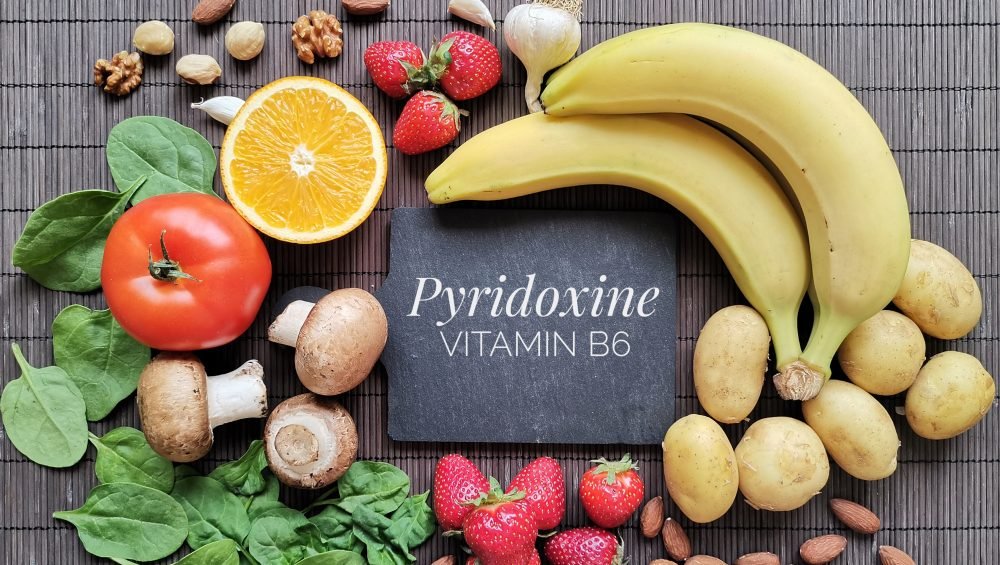
Pyridoxine is found in many different foods, like the ones listed below.

  • Fortified cereals
  • Legumes
  • Nuts
  • Seeds
  • Soy products

You can also find pyridoxine in some meats, fish, and poultry. Pyridoxine is also available as a dietary supplement. Talk to a healthcare provider before taking any supplements, including pyridoxine. Now that you see how important pyridoxine is start including more Pyridoxine-rich foods in your diet or take a supplement to improve your skin’s health and more!

10 Frequent Questions About Niacin

Niacin, a water-soluble vitamin, is found in many food items like meat, poultry, fish, and some vegetables. It can improve the health of adults who want to take niacin supplements for nutrition purposes. It’s available over the counter.

Niacin has several benefits for one’s health, such as reducing bad cholesterol levels, improving circulation, and lowering the risk of heart disease. Speak with your doctor beforehand if you’re considering taking large doses of niacin. It might result in serious side effects.

1What Are Some Of The Health Benefits Of Niacin?

Niacin, also known as vitamin B3, is an essential nutrient that plays a role in many different bodily functions. Niacin is necessary for the proper metabolism of fats and carbohydrates. It helps maintain healthy skin and nervous system function.

Here are many different health benefits associated with niacin supplementation.

  • Improved cholesterol levels
  • Improved cognitive function
  • Reduced inflammation
  • Reduced risk of heart disease
  • Reduced risk of stroke
  • Reduced risk of cancer

Additionally, niacin is involved in the production of sex hormones and red blood cells. Niacin works by helping the body metabolize fats and carbohydrates. It helps maintain healthy skin and nervous system function.

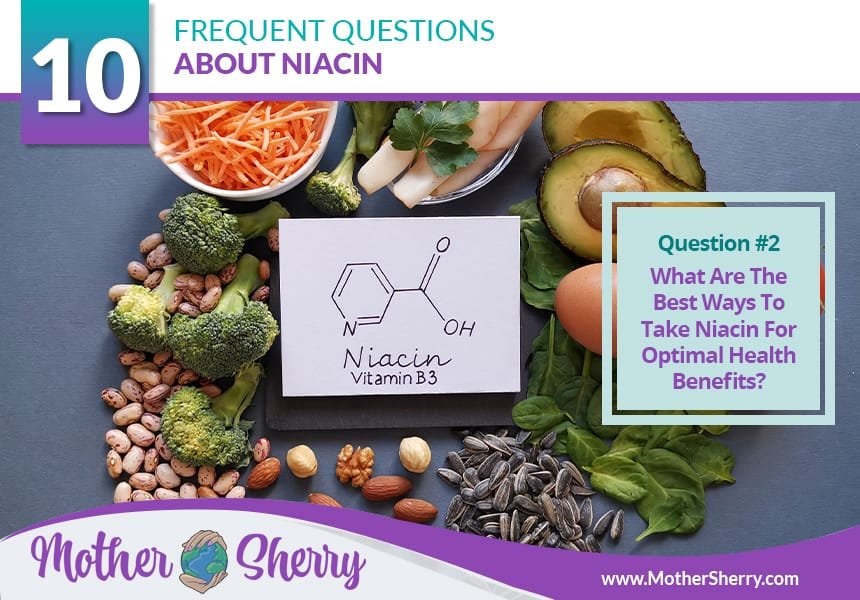
2What Are The Best Ways To Take Niacin For Optimal Health Benefits?

You can receive the most health benefits from niacin by taking a supplement in pill form. You can also increase your intake of foods that are rich in niacin. When taking a niacin supplement, there are a few things to keep in mind to ensure optimal health benefits.

First, it is important to follow the instructions on the supplement bottle. Secondly, it is best to take niacin with food to reduce the risk of side effects, such as stomach upset. Finally, if you have any questions or concerns about taking niacin, be sure to speak with your healthcare provider.

3What Are Some Of The Potential Side Effects Of Niacin?

Although niacin is mostly well received, there are a few potential side effects of which you should be aware. The most frequent response to taking niacin supplements is skin flushing. But it’s nothing to worry about and should go away within just a couple of hours.

The other potential side effects of niacin are listed below.

  • Stomach upset
  • Headache
  • Dizziness
  • Diarrhea

There are a few precautionary measures you can take to avoid any side effects while taking niacin. First and foremost, make sure to follow the dosage instructions on the supplement bottle. Secondly, consume the food before taking niacin to decrease the chances of an upset stomach, which is a common side effect. Lastly, if you have questions or uncertainties regarding niacin consumption, don’t hesitate to reach out to your healthcare professional for guidance.

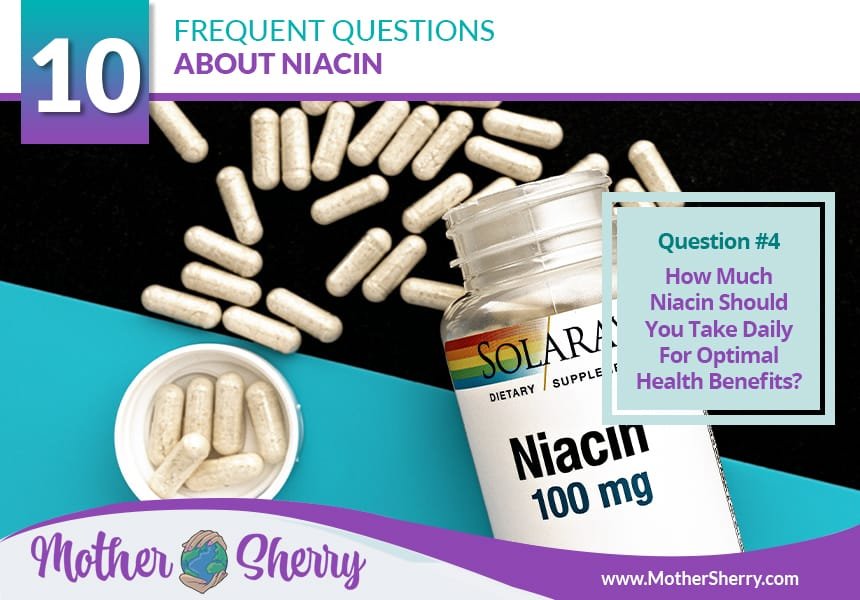
4How Much Niacin Should You Take Daily For Optimal Health Benefits?

A few things that play into how much niacin you need to take daily are your age, weight, and health. The average amount (RDA) of niacin is 14-16 mg/day for adults. But if you’re looking to lower cholesterol or reduce heart disease risks, you might have to up the dosage a bit. To ensure that you’re taking the right amount of niacin, speak with your doctor first.

5Are There Any Other Supplements That Work Synergistically With Niacin To Improve Health?

Niacin, also known as vitamin B3, is an important supplement to many people’s diets. There are a few different supplements that work synergistically with niacin to improve health. Here are some supplements.

  • Vitamin B6: Vitamin B6 helps reduce the risk of heart disease and stroke.
  • Folic Acid: Folic acid helps reduce the risk of birth defects.
  • Vitamin B12: Vitamin B12 helps improve cognitive function.

When taking niacin supplements, be sure to follow the directions on the bottle exactly. Are you unsure of how much niacin you should take? If you are, consult with your healthcare provider for more guidance.

6What Are Some Of The Best Food Sources Of Niacin?

Niacin is an important nutrient for many bodily functions. Getting niacin from food sources helps to ensure that you’re getting all the nutrients your body needs. Additionally, dietary niacin has been shown to reduce the likelihood of developing side effects, such as stomach upset. You can receive the most health benefits from niacin by increasing your intake of foods high in niacin.

Here are some good food sources of niacin.

  • Tuna
  • Salmon
  • Chicken
  • Beef
  • Pork
  • Fortified cereals
  • Legumes
  • Nuts
  • Seeds

When you want the results niacin offers, it’s key to select the right supplement. Look for products without fillers or other additives. Consider enteric-coated supplements if stomach upset is a concern.

If you are vegan or vegetarian, there are still plenty of options for getting enough niacin. Some of the best vegan sources are listed below.

  • Fortified cereals
  • Quinoa
  • Tempeh
  • Lentils
  • Peanuts
  • Spinach

As you can see, there are plenty of niacin-rich foods to choose from, no matter what your diet consists of. Niacin is an important nutrient that aids with various bodily functions. So be sure to include it in your diet.

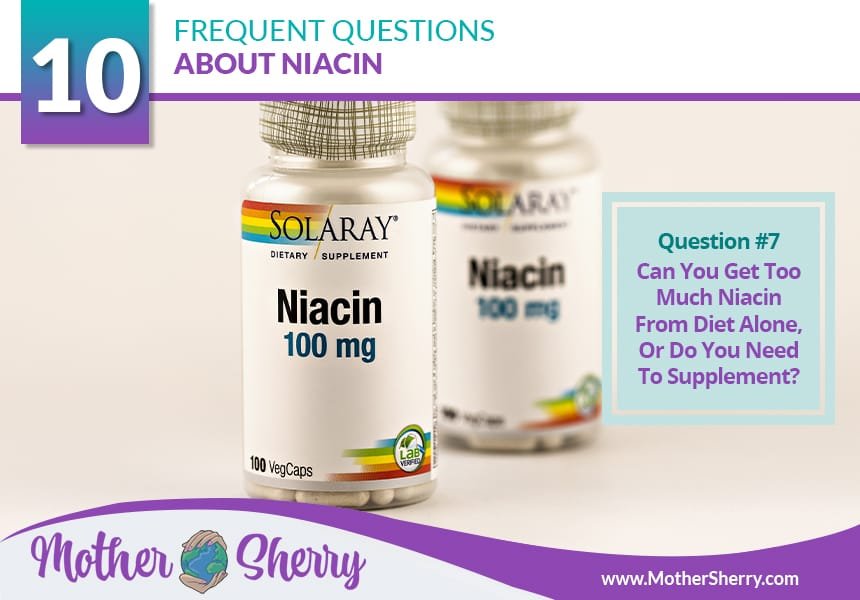
7Can You Get Too Much Niacin From Diet Alone, Or Do You Need To Supplement?

Although you cannot overdose on niacin from dietary sources, too much niacin from supplements can lead to side effects, such as stomach upset and headaches. Make sure to follow the instructions on your supplement bottle and speak with a healthcare professional if you have any questions or concerns. Niacin toxicity symptoms depend on how much niacin you consume. Too much niacin may result in side effects, such as an upset stomach, flushing, and headaches.

If you want to reduce your niacin intake from diet alone, there are a few ways you can do that. Avoid eating foods rich in niacin, like tuna, salmon, chicken, beef, pork, and fortified cereals. You should also limit your consumption of legumes, nuts, and seeds.

8Are There Any Populations That Might Benefit From Additional Niacin Supplementation?

Niacin supplementation might be beneficial for the following groups of people below.

  • Vegans and vegetarians
  • Pregnant women
  • Those with certain medical conditions

Because vegans and vegetarians do not get niacin from animal sources, they might benefit from additional niacin supplementation. Pregnant women need more of this nutrient during pregnancy, so they, too, might benefit from additional niacin supplementation. People with certain medical conditions, such as pellagra or Hartnup disease, can also gain added benefits from extra niacin in their diet.

To ensure that you’ll get the most out of a niacin supplement, purchase a high-quality product without fillers. Secondly, find an enteric-coated supplement to avoid irritation. Lastly, talk to your doctor about usage.

Here are a few tips for getting enough niacin.

  • Eating foods high in niacin, like tuna, salmon, chicken, beef, pork, and fortified cereals
  • Taking a supplement/li>
  • Talking to your doctor about the best way to take it

Incorporate these tips into your routine to ensure that you’re getting enough niacin.

9Are There Any Populations That Should Avoid Niacin Supplementation?

Here are a few populations that should avoid niacin supplementation.

  • People with certain medical conditions
  • People taking certain medications
  • Pregnant women
  • Breastfeeding women

Niacin supplementation should be avoided by pregnant women, breastfeeding women, and those with medical conditions, such as pellagra or Hartnup disease. Additionally, people taking some medications, such as isoniazid or cholesterol-lowering drugs, need to stay away from niacin supplements.

If you fall into one of the populations that should avoid supplementation, taking a niacin supplement poses some risks. Below are some of these risks.

  • Greater likelihood of side effects
  • More severe reactions
  • Toxicity

If you are part of a population that should avoid taking extra niacin, always speak to your healthcare provider before starting a supplement.
10What Are Some Of The Most Common Myths About Niacin And Its Health Benefits?

There are a few myths about niacin and its health benefits. These myths are listed below.

  • Niacin is a cure-all for a variety of health conditions.
  • Niacin is an effective treatment for Alzheimer’s disease.
  • Niacin is an effective treatment for arthritis.
  • Niacin is an effective treatment for cancer.

Niacin cannot miraculously cure various health conditions. Alzheimer’s disease, arthritis, and cancer have shown no improvement in patients taking niacin. Before you start taking niacin supplements, speak with your doctor to see if it’s the right move for you. They can also tell you how much to take and the best way to go about it.

Niacin, also known as vitamin B3, is a vital part of keeping you healthy. It does this in multiple ways. It helps keep your skin healthy, supports your nervous system function, and aids in the digesting of food.
Niacin has also been linked with cholesterol regulation and a decreased risk of heart disease. As with any new supplement, speak with your doctor before beginning niacin usage. This will ensure that it won’t interact adversely with any preexisting conditions or medications that you’re already taking.

Cremini Mushrooms: Everything You Need To Know

Cremini mushrooms are a type of mushroom that is often used in cooking. They are high in B vitamins, selenium, potassium, copper, and phosphorus. Cremini mushrooms also produce conjugated linoleic acid or CLA.

CLA is a phytochemical fatty acid that has anti-inflammatory and cancer-fighting properties. Cremini mushrooms are also known to help reduce body fat and promote weight loss. In addition to their nutritional benefits, cremini mushrooms have been shown to have health benefits for the gut, immune system, and metabolism.

What Are Cremini Mushrooms

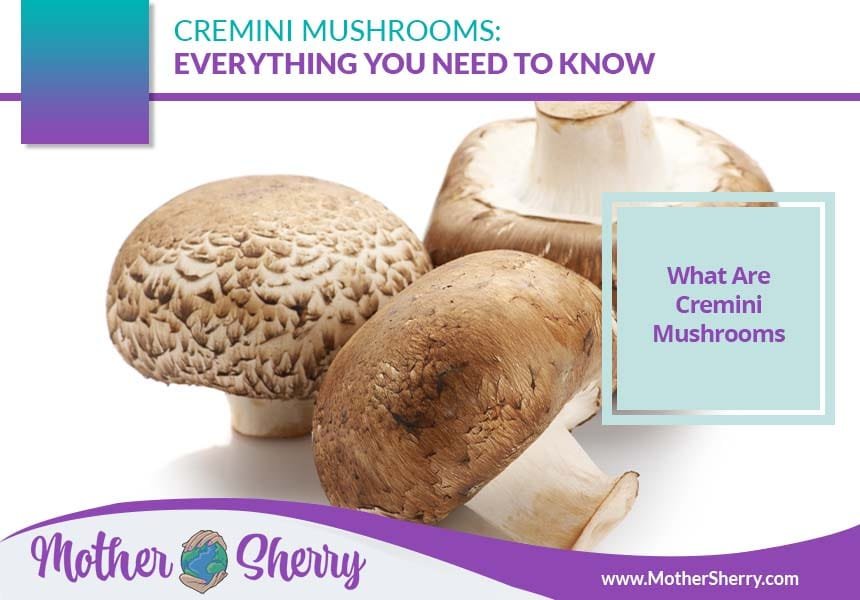
Cremini mushrooms are a type of edible mushroom that belongs to the species Agaricus bisporus. Cremini mushrooms are also known as baby bella or crimini mushrooms. These mushrooms have a brownish color and a slightly different flavor than the white button mushrooms.

You can identify cremini mushrooms by their small, dark brown caps and long, slender stems. They are often mistaken for other types of edible mushrooms, such as the white button mushroom and the portobello mushroom. The white button mushroom is the most similar to the cremini in terms of color and size; however, the white button mushroom has a smoother cap and a more mild flavor. Meanwhile, the portobello mushroom is larger than the cremini mushroom and has a darker color. It also has a more robust flavor.

Cremini mushrooms have been in use since ancient times. They were first mentioned in a cookbook from the 1st century AD. These mushrooms were also used in medieval times as medicine. Today, cremini mushrooms are widely consumed around the world and are used in many dishes. They can be eaten raw, cooked, or pickled.

Cremini mushrooms are native to Europe and North America. Today, they are grown in many parts of the world, including China, Japan, and Australia. These mushrooms are a popular ingredient in some cuisines, such as Italian, French, Chinese, and Japanese cuisine.

Health Benefits Of Cremini Mushroom

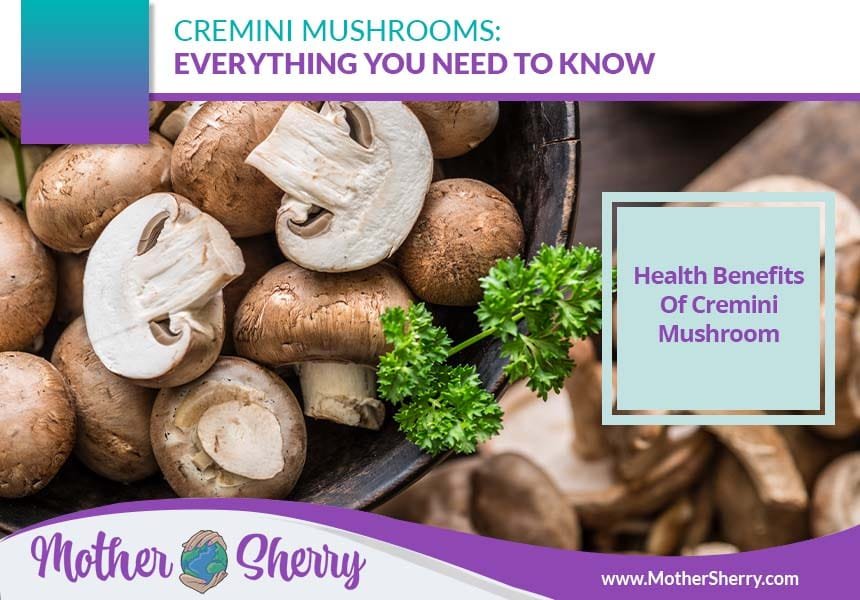
Cremini mushrooms are full of nutrients, including vitamins, minerals, antioxidants, and fiber. These mushrooms are a great source of vitamin D, which is important for bone health. They also contain copper, which is necessary for the formation of red blood cells.

Cremini mushrooms are low in calories and fat. They are a healthy addition to any diet. This means that they can provide many impressive benefits to health and wellness.

Fighting Cancer And Disease

Cremini mushrooms help fight diseases such as cancer. This is because they contain antioxidants that scavenge harmful toxins and by-products that can damage cells. These mushrooms also help boost the immune system, which helps the body fight off infection and disease.

They are anti-inflammatory. This means that they can help reduce swelling and pain in the body. This is beneficial for conditions such as arthritis and inflammatory bowel disease. Some of the cancers that they can help prevent are colon cancer, prostate cancer, and breast cancer.

Cremini mushrooms are also full of ergothioneine. Ergothioneine (EGT) is a type of amino acid that is found in cremini mushrooms. This compound helps protect cells from damage caused by free radicals. It also helps boost the immune system and has anti-inflammatory properties. Ergothioneine is a powerful antioxidant that can help reduce the risk of disease.

Improving Cardiovascular Health

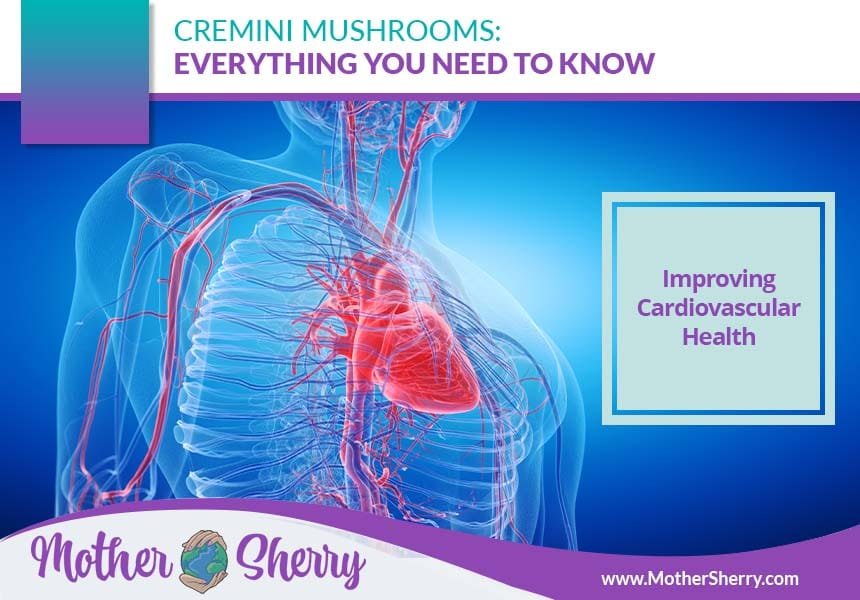
Cremini mushrooms are good for the heart. This is because they help lower cholesterol levels and triglycerides in the blood. They also help keep blood pressure under control. All of these effects together can help reduce the risk of heart disease.

Cremini mushrooms also reduce inflammation in the lungs. They do this by scavenging harmful toxins. This can help prevent conditions such as COPD and bronchitis. They also help improve lung function and reduce the risk of lung cancer.

These mushrooms can also help improve kidney function. They do this by reducing inflammation in the kidneys. This can help prevent conditions such as kidney disease and kidney stones.

Keeping The Brain Healthy

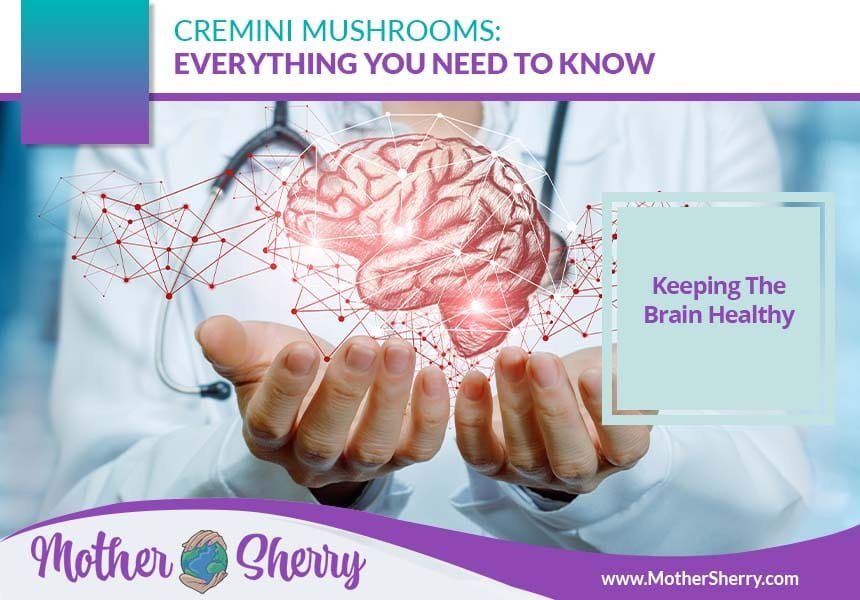
Cremini mushrooms are good for the brain. This is because they contain compounds that help protect nerve cells from damage. These mushrooms also reduce inflammation in the brain, which can help prevent Alzheimer’s disease and dementia.

They also help to improve cognitive function and memory. This is because they scavenge harmful toxins and by-products that can damage cells. These properties help keep the brain healthy and functioning properly.

Treating And Preventing Fatigue

Cremini mushrooms can help prevent fatigue by providing the body with energy. This is because they contain B vitamins, which are essential for the metabolism of carbohydrates. They also help convert food into energy. These properties make cremini mushrooms a great choice for people who are looking for a natural way to boost their energy levels.

Cremini mushrooms can also help reduce stress and anxiety. This is because they contain compounds that help relax the mind and body. This can be beneficial for people who are dealing with stress and anxiety disorders.

Cremini mushrooms also boost immunity by helping the body fight off infection and disease. This can help prevent illnesses, such as the common cold and flu. The lack of these stressors on the body can also contribute to less fatigue and exhaustion.

Restoring Gut Health

Cremini mushrooms boost and restore gut health by helping increase the growth of good bacteria in the gut. This is important because good gut bacteria are essential for digestion, absorption of nutrients, and protection against harmful bacteria and toxins. Cremini mushrooms also help reduce inflammation in the gut. This can be beneficial for people who have inflammatory bowel disease. These mushrooms also help improve gut motility and reduce the risk of constipation.

In addition, cremini mushrooms help break down food more effectively. This helps the body absorb more nutrients from the food we eat. It also helps reduce the amount of work the digestive system has to do. All of these effects can contribute to better gut health.

They can also protect against intestinal permeability, also known as “leaky gut syndrome.” This condition is characterized by the leaking of toxins and bacteria from the intestines into the bloodstream. It can cause inflammation, digestive issues, and a weakened immune system. Eating cremini mushrooms can help seal the gaps in the intestines and restore gut health. This can reduce the symptoms of the leaky gut syndrome and improve overall health.

Cremini Mushroom Nutrition Facts

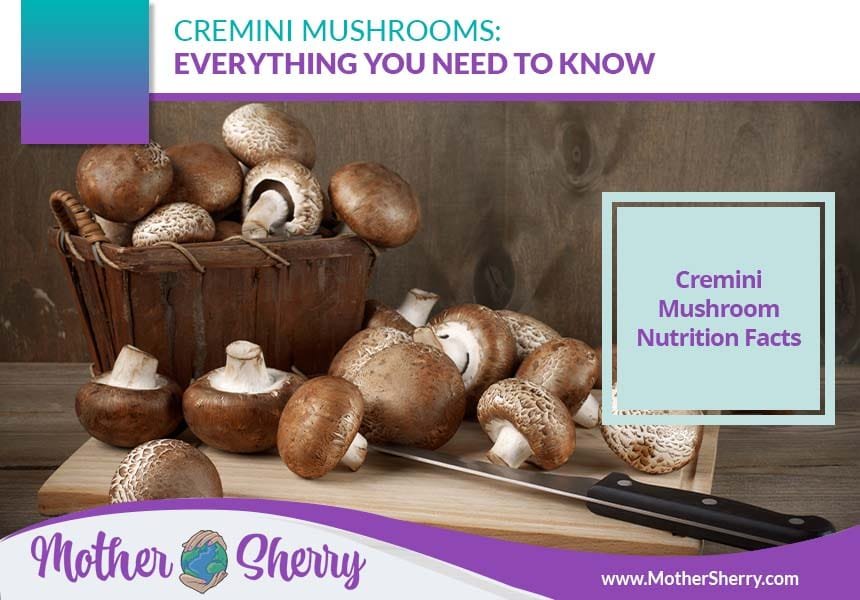
Cremini mushrooms are high in B vitamins, including niacin, riboflavin, and pantothenic acid. They are also a great source of selenium, potassium, copper, and phosphorus. In addition, they are low in calories and fat and are also an excellent source of fiber.

In terms of vitamins and minerals, cremini mushrooms are a great source of vitamins B6, C, and D. They are also an excellent source of potassium, copper, selenium, and phosphorus. One cup (70 grams) of sliced cremini mushrooms contains the following nutrients.

  • Calories: 22
  • Protein: 3 grams
  • Carbs: 4 grams
  • Fiber: 1 gram
  • Fat: 0 grams
  • Vitamin B6: 10% of the RDI
  • Vitamin C: 9% of the RDI
  • Vitamin D: 5% of the RDI
  • Potassium: 8% of the RDI
  • Copper: 8% of the RDI
  • Selenium: 7% of the RDI
  • Phosphorus: 6% of the RDI

Cremini mushrooms also produce conjugated linoleic acid or CLA. CLA is a phytochemical fatty acid that is found in cremini mushrooms. It has been shown to have anti-inflammatory and cancer-fighting properties. CLA is also known to help reduce body fat and promote weight loss.

How To Use Cremini Mushrooms

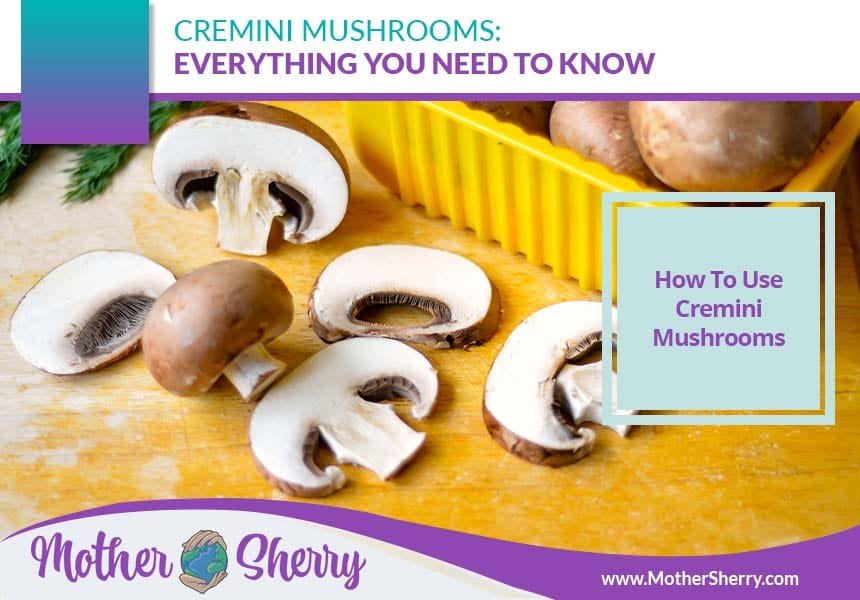
Before using any sort of mushroom, you should make sure that they’re clean. Mushrooms grow low to the ground, and fresh mushrooms are often covered in dirt when acquired. Clean cremini mushrooms by gently brushing them with a soft brush. If they’re especially dirty, you can also rinse them with cool water. You should not soak cremini mushrooms because they will absorb the water and become soggy.

Once they’re clean, you can use cremini mushrooms in any recipe that calls for mushrooms. They can be eaten raw, cooked, or used as an ingredient in recipes. Cremini mushrooms can be used in place of white button mushrooms in any recipe. Cremini mushrooms are usually used in a wide variety of dishes to complement other foods. Some foods that go well with cremini mushrooms include garlic, herbs, onions, tomatoes, rice, pasta, eggs, cheese, beef, chicken, and pork.

Risks And Side Effects Of Cremini Mushrooms

Cremini mushrooms are generally safe to eat; however, there are a few potential risks and side effects to be aware of. If you have an allergy to mushrooms, you should not eat cremini mushrooms. People who are allergic to mushrooms may experience symptoms such as hives, difficulty breathing, swelling of the throat or mouth, and abdominal pain. If you experience any of these symptoms after eating cremini mushrooms, you should seek medical attention immediately.

In rare cases, people may develop an intolerance to mushrooms. This is different from an allergy and usually only causes digestive symptoms, such as bloating, gas, diarrhea, and nausea. If you experience any of these symptoms after eating cremini mushrooms, you should stop consuming them and talk to your doctor. Cremini mushrooms may also interact with certain medications, such as blood thinners and immunosuppressants. If you are taking any medication, you should talk to your doctor before eating cremini mushrooms.

Final Thoughts

Cremini mushrooms are an excellent source of many vitamins, minerals, and phytochemicals. They have anti-inflammatory and cancer-fighting properties. They can help reduce body fat and promote weight loss.

Cremini mushrooms can be used in any recipe that calls for mushrooms and is complementary to a wide variety of foods. However, there are a few potential risks and side effects to be aware of when consuming cremini mushrooms. If you have an allergy to mushrooms or experience digestive symptoms after eating them, you should consult your doctor before continuing to eat them.

Select the fields to be shown. Others will be hidden. Drag and drop to rearrange the order.
  • Image
  • SKU
  • Rating
  • Price
  • Stock
  • Availability
  • Add to cart
  • Weight
  • Dimensions
Compare
Shopping cart close