
10 Frequent Questions About Niacin
Niacin, a water-soluble vitamin, is found in many food items like meat, poultry, fish, and some vegetables. It can improve the health of adults who want to take niacin supplements for nutrition purposes. It’s available over the counter.
Niacin has several benefits for one’s health, such as reducing bad cholesterol levels, improving circulation, and lowering the risk of heart disease. Speak with your doctor beforehand if you’re considering taking large doses of niacin. It might result in serious side effects.

1What Are Some Of The Health Benefits Of Niacin?
Niacin, also known as vitamin B3, is an essential nutrient that plays a role in many different bodily functions. Niacin is necessary for the proper metabolism of fats and carbohydrates. It helps maintain healthy skin and nervous system function.
Here are many different health benefits associated with niacin supplementation.
- Improved cholesterol levels
- Improved cognitive function
- Reduced inflammation
- Reduced risk of heart disease
- Reduced risk of stroke
- Reduced risk of cancer
Additionally, niacin is involved in the production of sex hormones and red blood cells. Niacin works by helping the body metabolize fats and carbohydrates. It helps maintain healthy skin and nervous system function.
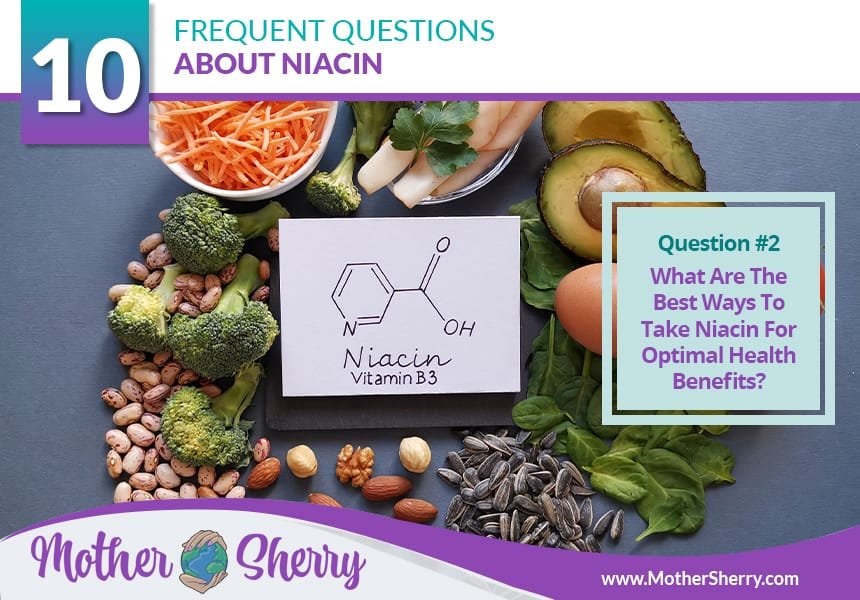
2What Are The Best Ways To Take Niacin For Optimal Health Benefits?
You can receive the most health benefits from niacin by taking a supplement in pill form. You can also increase your intake of foods that are rich in niacin. When taking a niacin supplement, there are a few things to keep in mind to ensure optimal health benefits.
First, it is important to follow the instructions on the supplement bottle. Secondly, it is best to take niacin with food to reduce the risk of side effects, such as stomach upset. Finally, if you have any questions or concerns about taking niacin, be sure to speak with your healthcare provider.

3What Are Some Of The Potential Side Effects Of Niacin?
Although niacin is mostly well received, there are a few potential side effects of which you should be aware. The most frequent response to taking niacin supplements is skin flushing. But it’s nothing to worry about and should go away within just a couple of hours.
The other potential side effects of niacin are listed below.
- Stomach upset
- Headache
- Dizziness
- Diarrhea
There are a few precautionary measures you can take to avoid any side effects while taking niacin. First and foremost, make sure to follow the dosage instructions on the supplement bottle. Secondly, consume the food before taking niacin to decrease the chances of an upset stomach, which is a common side effect. Lastly, if you have questions or uncertainties regarding niacin consumption, don’t hesitate to reach out to your healthcare professional for guidance.
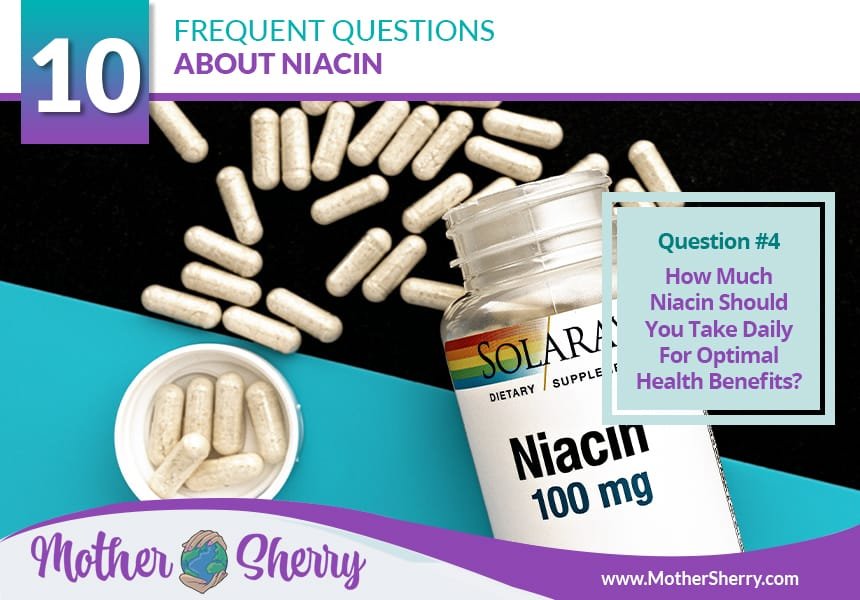
4How Much Niacin Should You Take Daily For Optimal Health Benefits?
A few things that play into how much niacin you need to take daily are your age, weight, and health. The average amount (RDA) of niacin is 14-16 mg/day for adults. But if you’re looking to lower cholesterol or reduce heart disease risks, you might have to up the dosage a bit. To ensure that you’re taking the right amount of niacin, speak with your doctor first.

5Are There Any Other Supplements That Work Synergistically With Niacin To Improve Health?
Niacin, also known as vitamin B3, is an important supplement to many people’s diets. There are a few different supplements that work synergistically with niacin to improve health. Here are some supplements.
- Vitamin B6: Vitamin B6 helps reduce the risk of heart disease and stroke.
- Folic Acid: Folic acid helps reduce the risk of birth defects.
- Vitamin B12: Vitamin B12 helps improve cognitive function.
When taking niacin supplements, be sure to follow the directions on the bottle exactly. Are you unsure of how much niacin you should take? If you are, consult with your healthcare provider for more guidance.

6What Are Some Of The Best Food Sources Of Niacin?
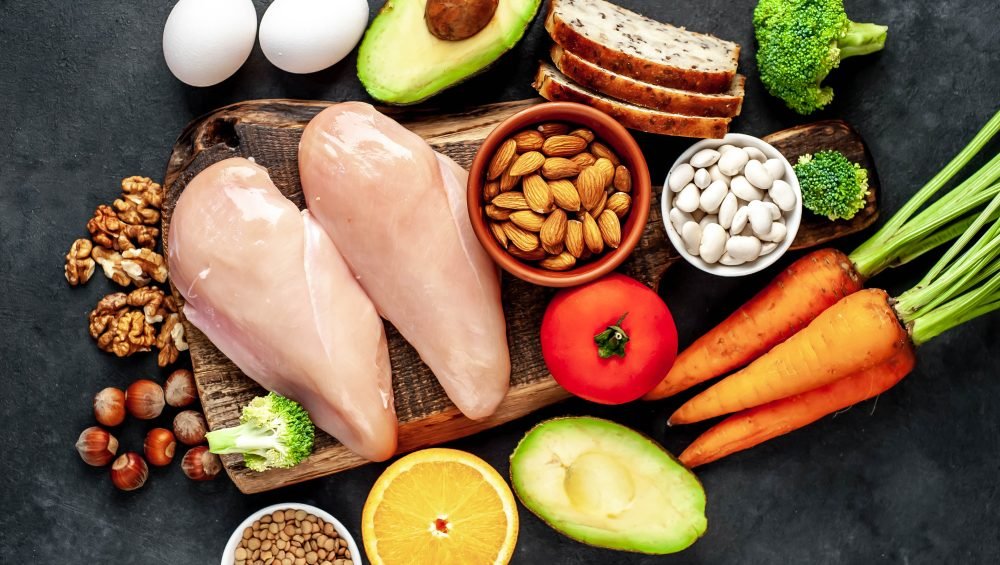
Niacin is an important nutrient for many bodily functions. Getting niacin from food sources helps to ensure that you’re getting all the nutrients your body needs. Additionally, dietary niacin has been shown to reduce the likelihood of developing side effects, such as stomach upset. You can receive the most health benefits from niacin by increasing your intake of foods high in niacin.
Here are some good food sources of niacin.
- Tuna
- Salmon
- Chicken
- Beef
- Pork
- Fortified cereals
- Legumes
- Nuts
- Seeds
When you want the results niacin offers, it’s key to select the right supplement. Look for products without fillers or other additives. Consider enteric-coated supplements if stomach upset is a concern.
If you are vegan or vegetarian, there are still plenty of options for getting enough niacin. Some of the best vegan sources are listed below.
- Fortified cereals
- Quinoa
- Tempeh
- Lentils
- Peanuts
- Spinach
As you can see, there are plenty of niacin-rich foods to choose from, no matter what your diet consists of. Niacin is an important nutrient that aids with various bodily functions. So be sure to include it in your diet.
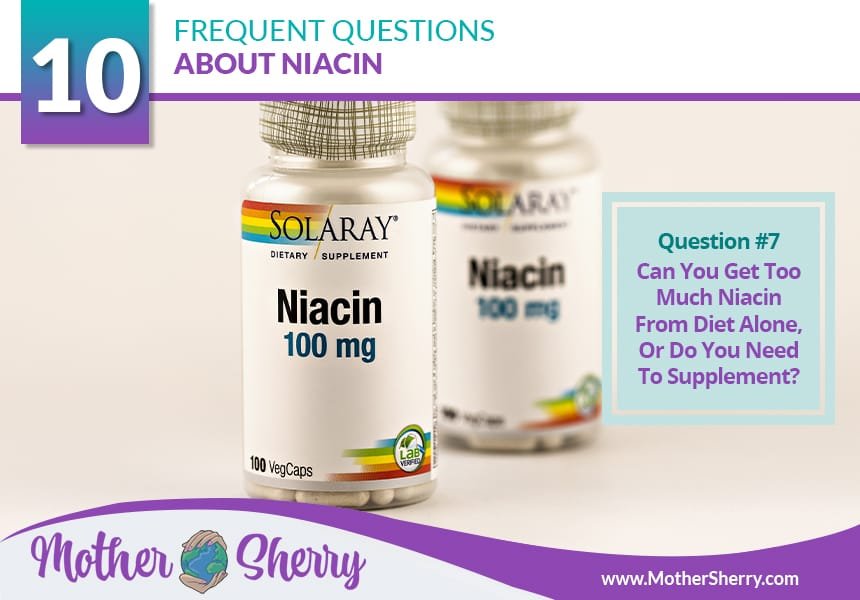
7Can You Get Too Much Niacin From Diet Alone, Or Do You Need To Supplement?
Although you cannot overdose on niacin from dietary sources, too much niacin from supplements can lead to side effects, such as stomach upset and headaches. Make sure to follow the instructions on your supplement bottle and speak with a healthcare professional if you have any questions or concerns. Niacin toxicity symptoms depend on how much niacin you consume. Too much niacin may result in side effects, such as an upset stomach, flushing, and headaches.
If you want to reduce your niacin intake from diet alone, there are a few ways you can do that. Avoid eating foods rich in niacin, like tuna, salmon, chicken, beef, pork, and fortified cereals. You should also limit your consumption of legumes, nuts, and seeds.
8Are There Any Populations That Might Benefit From Additional Niacin Supplementation?
Niacin supplementation might be beneficial for the following groups of people below.
- Vegans and vegetarians
- Pregnant women
- Those with certain medical conditions
Because vegans and vegetarians do not get niacin from animal sources, they might benefit from additional niacin supplementation. Pregnant women need more of this nutrient during pregnancy, so they, too, might benefit from additional niacin supplementation. People with certain medical conditions, such as pellagra or Hartnup disease, can also gain added benefits from extra niacin in their diet.
To ensure that you’ll get the most out of a niacin supplement, purchase a high-quality product without fillers. Secondly, find an enteric-coated supplement to avoid irritation. Lastly, talk to your doctor about usage.
Here are a few tips for getting enough niacin.
- Eating foods high in niacin, like tuna, salmon, chicken, beef, pork, and fortified cereals
- Taking a supplement/li>
- Talking to your doctor about the best way to take it
Incorporate these tips into your routine to ensure that you’re getting enough niacin.

9Are There Any Populations That Should Avoid Niacin Supplementation?
Here are a few populations that should avoid niacin supplementation.
- People with certain medical conditions
- People taking certain medications
- Pregnant women
- Breastfeeding women
Niacin supplementation should be avoided by pregnant women, breastfeeding women, and those with medical conditions, such as pellagra or Hartnup disease. Additionally, people taking some medications, such as isoniazid or cholesterol-lowering drugs, need to stay away from niacin supplements.
If you fall into one of the populations that should avoid supplementation, taking a niacin supplement poses some risks. Below are some of these risks.
- Greater likelihood of side effects
- More severe reactions
- Toxicity
If you are part of a population that should avoid taking extra niacin, always speak to your healthcare provider before starting a supplement.

10What Are Some Of The Most Common Myths About Niacin And Its Health Benefits?
There are a few myths about niacin and its health benefits. These myths are listed below.
- Niacin is a cure-all for a variety of health conditions.
- Niacin is an effective treatment for Alzheimer’s disease.
- Niacin is an effective treatment for arthritis.
- Niacin is an effective treatment for cancer.
Niacin cannot miraculously cure various health conditions. Alzheimer’s disease, arthritis, and cancer have shown no improvement in patients taking niacin. Before you start taking niacin supplements, speak with your doctor to see if it’s the right move for you. They can also tell you how much to take and the best way to go about it.
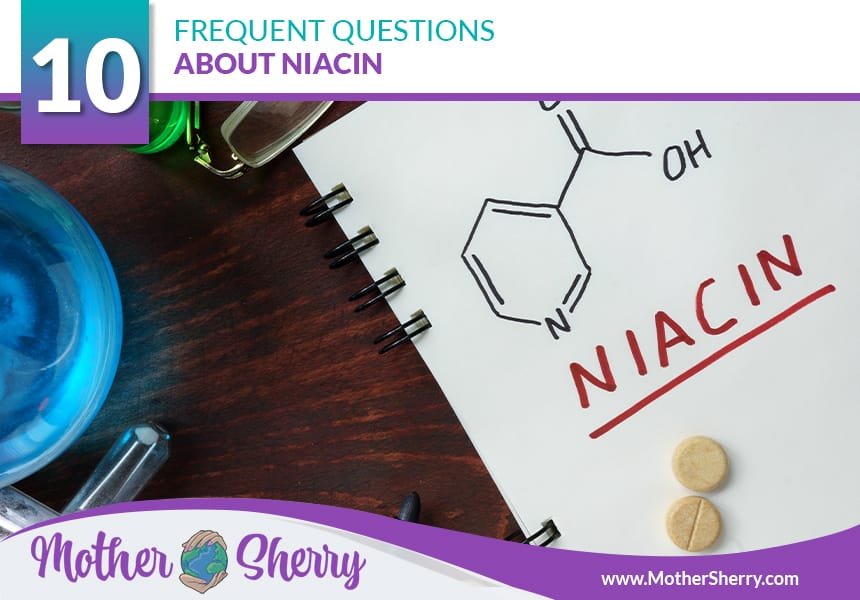
Niacin, also known as vitamin B3, is a vital part of keeping you healthy. It does this in multiple ways. It helps keep your skin healthy, supports your nervous system function, and aids in the digesting of food.
Niacin has also been linked with cholesterol regulation and a decreased risk of heart disease. As with any new supplement, speak with your doctor before beginning niacin usage. This will ensure that it won’t interact adversely with any preexisting conditions or medications that you’re already taking.