
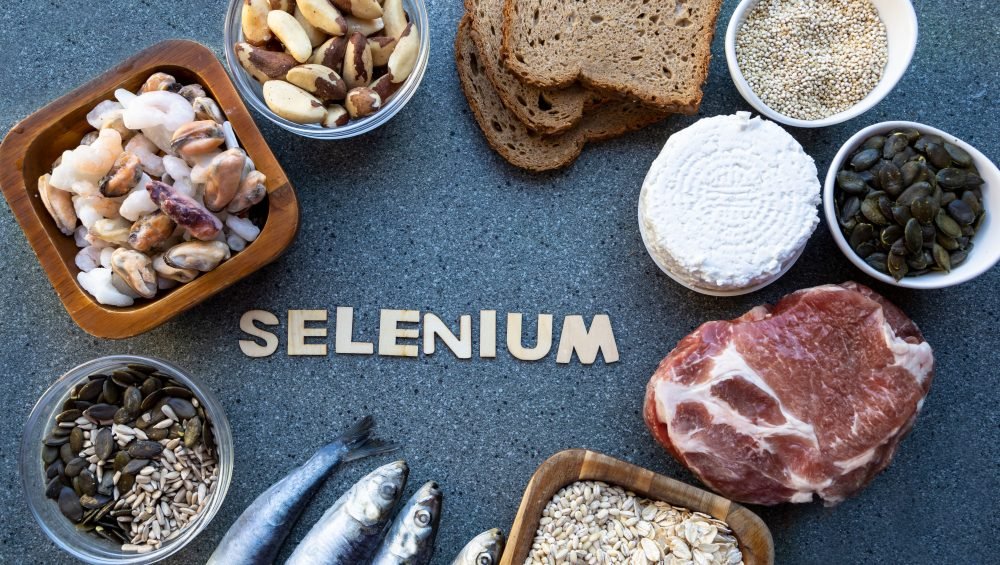
Having a diet that is high in selenium benefits your body in many ways. It is a mineral that is known to help your heart and thyroid function. It can also prevent cancer.
It helps ensure that your body has enough antioxidants. These fight off free radicals that can damage cells. It also helps in the absorption of vitamin E.
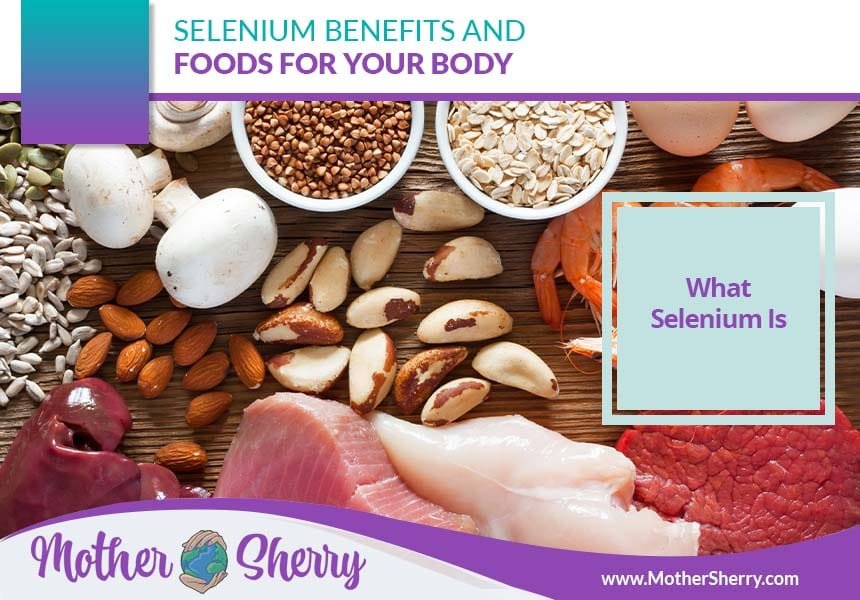
What Selenium Is
Selenium is an essential mineral that is found in the soil. It can be absorbed by plants. It is then passed on to humans when they eat those plants or products made from them.
Selenium occurs naturally in some foods, such as nuts, seafood, grains, and eggs. It can also be purchased and taken in supplement form. It has several benefits, including protection against certain forms of cancer, improved heart and thyroid health, and enhanced reproductive health.
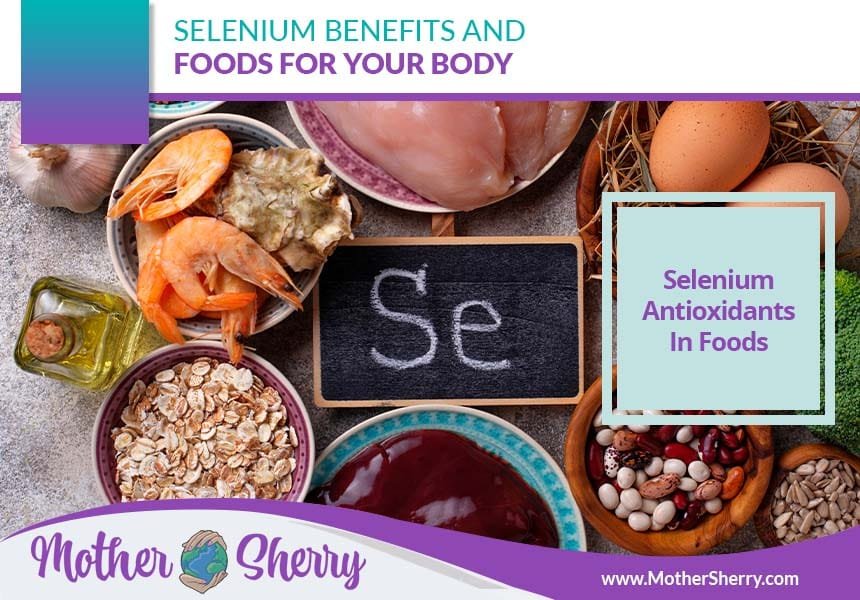
Selenium Antioxidants In Foods
Selenium is rich in antioxidants that can help protect your cells from harmful free radicals that can damage them. Free radicals are molecules in the environment that can be caused by things such as smoking, pollution, and UV radiation. These molecules can cause mutations in your cells.
These can lead to cancer or other illnesses. Selenium helps neutralize these free radicals. It prevents them from causing damage to your cells.

Selenium For Thyroid Health
The thyroid plays a role in numerous normal body functions. It regulates metabolism, growth, and development; it’s also responsible for the production of hormones. It produces triiodothyronine, which increases the basal metabolic rate. Thyroid dysfunction can cause muscle aches and fatigue. Thyroid glands contain the highest concentration of selenium in the body; this trace mineral is essential for the conversion of thyroxine to T3.
This means that getting the proper amount of selenium is important for maintaining thyroid health. Selenium helps convert inactive thyroid hormones into active forms, which help regulate the body’s metabolism. It also helps improve the function of the thyroid gland, which is vital for maintaining a healthy weight.
Some researchers have suggested that selenium may be able to reduce the inflammatory activity that occurs in thyroid conditions. It has been found that people with Hashimoto’s thyroiditis, a type of autoimmune disorder, have low serum selenium levels. This has been associated with the development of the disease. In addition, research suggests that selenium may help protect the thyroid gland from oxidative stress. Oxidative stress causes cell damage, which can lead to chronic diseases.

Selenium For Heart Health
Several studies have demonstrated that selenium plays an important role in cardiovascular health. It helps reduce inflammation and plaque buildup in the arteries, which can lead to heart attack or stroke. In addition, selenium may help lower cholesterol levels and improve blood pressure. This mineral also helps protect against oxidative damage to the cells of the heart muscle.
Selenium has also been found to reduce the risk of developing coronary artery disease. One large study found that people with higher levels of selenium in their blood had a lower risk of developing coronary artery disease compared to those with lower levels. Selenium can also help reduce the risk of stroke. In one study, researchers looked at more than 25,000 people and found that those with higher selenium levels had a lower risk of stroke than those with lower levels.
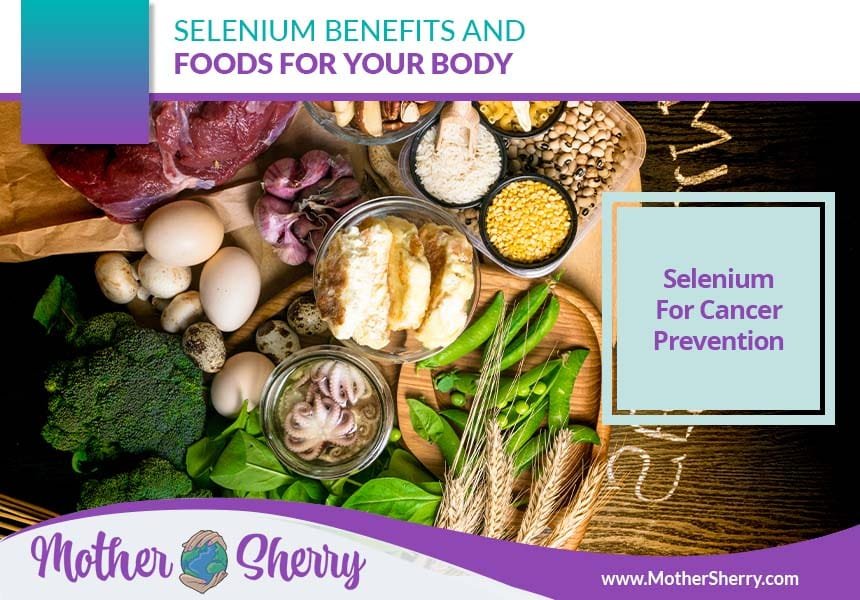
Selenium For Cancer Prevention
Increasingly, scientific interest is being focused on the cancer-preventive benefits of selenium. This trace element has been shown to play a role in the prevention of several forms of cancer and may also help decrease the toxicity of chemotherapy. Some studies suggest that selenium may help reduce the risk of certain types of cancers, such as lung and colon cancer. Other research has indicated that higher levels of selenium in the blood can decrease the incidence of prostate cancer. In addition, some studies have found a link between higher selenium intake and lower rates of breast cancer.
Selenium may help protect against cancer by increasing the activity of antioxidant enzymes that can reduce oxidative stress and prevent DNA damage. It has also been shown to inhibit the growth and spread of certain cancer cells. Additionally, selenium can interact with other nutrients, such as vitamin E, which further enhances its protective effects on cells.
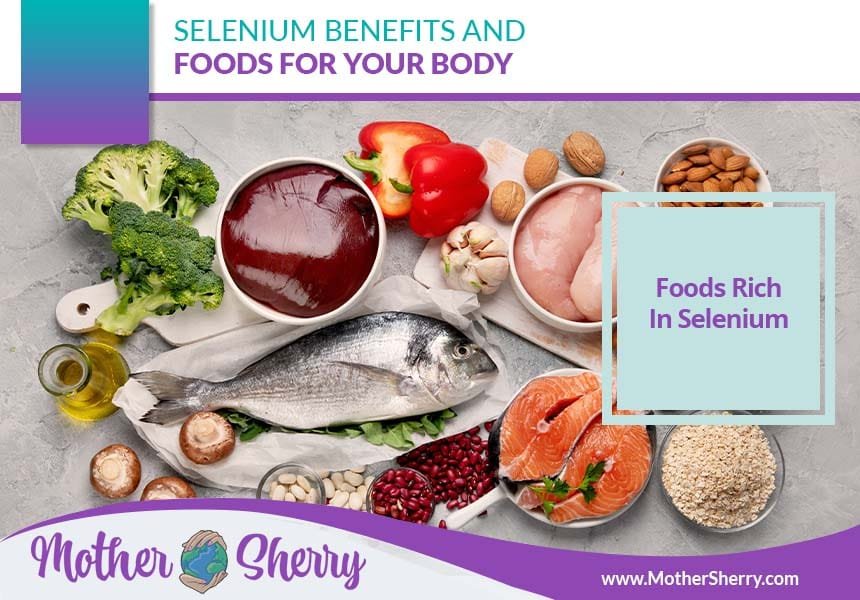
Foods Rich In Selenium
The best kinds of food to get selenium are Brazil nuts, fish, shellfish, whole grains, eggs, and poultry. Other good sources of selenium include fortified cereals and oatmeal, sunflower seeds, mushrooms, spinach, and whole-wheat bread. Selenium can also be taken as a supplement in the form of tablets or capsules.
The recommended daily intake for adults is 55 mcg per day, with pregnant and lactating women needing slightly more. It is vital to note that taking too much selenium can be harmful. Therefore, it is best to consult your healthcare provider before taking a supplement.
Taking Too Much Selenium
While it is important to make sure that you get enough selenium, it is also vital to be aware of the potential toxicity of high doses. Overdosing in selenium can lead to serious health problems, such as hair loss, skin lesions, and fatigue. It is best to get your selenium from food sources rather than supplements. You should also watch out for selenium’s interaction with other medicines. Some medicines used to treat high cholesterol, for example, may interfere with selenium.
The best way to obtain selenium is to eat a varied, whole-food diet. This includes fruits, vegetables, nuts, beans, and whole grains. All these foods contain a variety of minerals, vitamins, and other nutrients that benefit your health.
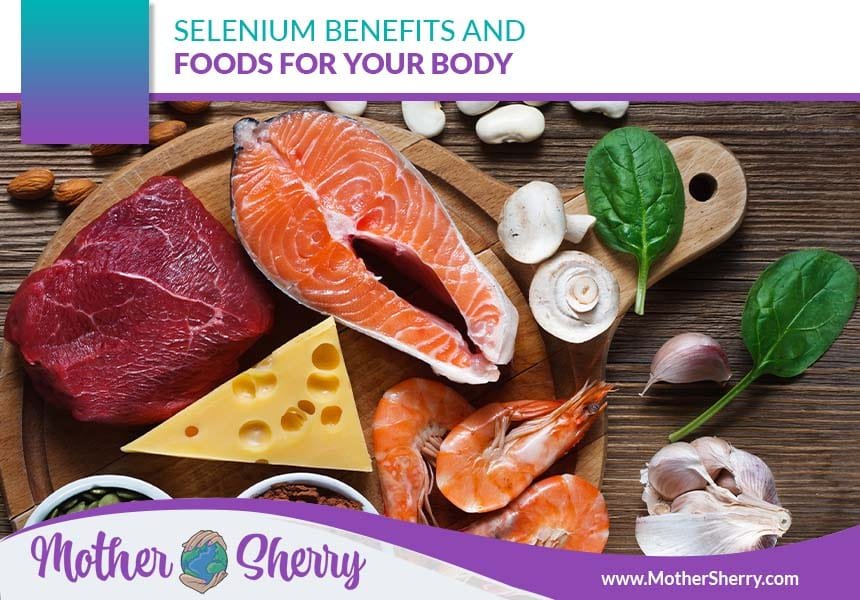
In conclusion, selenium is an important mineral with a number of health benefits. It can help reduce inflammation, protect against oxidative damage, and reduce the risk of several types of cancer. Selenium should be obtained through a balanced diet rather than supplements.
Be sure not to take too much selenium. This can lead to serious health problems. Consult your healthcare provider before taking a supplement.