
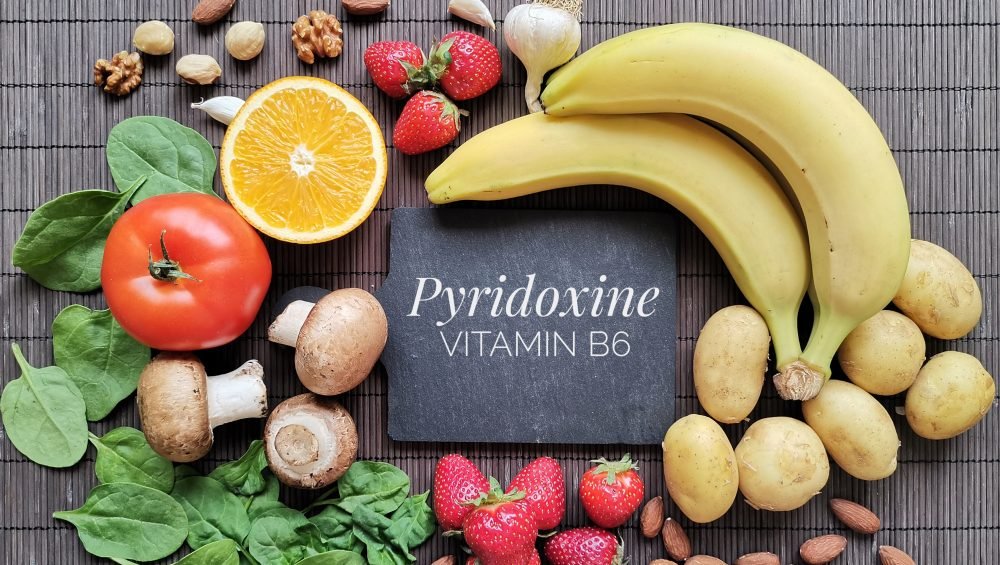
Pyridoxine, also known as Vitamin B6, is a water-soluble vitamin that can be found in many plant-based foods. This vitamin has numerous benefits for adults, such as improved brain function and moods, reduced stress levels, and healthier skin and hair. To enjoy these health benefits as an adult, you need to make sure you are getting enough pyridoxine in your diet. Keep reading to learn more about how you can be sure you are getting enough of this important vitamin.

Pyridoxine And Its Benefits
Pyridoxine is an important water-soluble vitamin that helps with many different bodily functions, including protein metabolism and red blood cell production. Pyridoxine is also crucial for nerve function and can help prevent damage to nerves. Some research has also shown that pyridoxine may help prevent carpal tunnel syndrome and other nerve-related conditions.
Pyridoxine was first discovered in 1904 by two German scientists, who named it vitamin B6 because it was the sixth compound that they had identified as a vitamin. Pyridoxine is found in many different foods and is important for many different functions in the body. It is especially important for nerve function and can help to prevent nerve damage. Some research has also shown that pyridoxine may help prevent carpal tunnel syndrome and other nerve-related conditions.
Pyridoxine works in the body by helping to convert the protein building blocks called amino acids into other useful molecules. It also helps to create new red blood cells and to keep nerves functioning properly. Pyridoxine is important for many different functions in the body and can be found in many different foods.
Pyridoxine can help to prevent several diseases and conditions, including carpal tunnel syndrome, nerve damage, and other nerve-related conditions. It may also help to improve the symptoms of some conditions, such as premenstrual syndrome (PMS) and morning sickness. Pyridoxine can also be used to treat some diseases and conditions, such as seizures and autism.

How Much Pyridoxine Should You Take Each Day?
The recommended daily allowance (RDA) for pyridoxine is 2 mg for adults. However, the RDA may vary depending on a person’s age, sex, and health status. pregnant women and those who are breastfeeding need more pyridoxine than other adults. Pyridoxine is found in many different foods and is available as a dietary supplement. It is important to talk to a healthcare provider before taking pyridoxine or any other supplement, as too much pyridoxine can be harmful.

What Are The Side Effects Of Taking Pyridoxine?
Having too much pyridoxine can cause nausea, vomiting, and diarrhea. It can also cause nerve damage and seizures. Taking pyridoxine can also cause headaches, irritability, and restlessness.
Some people may experience skin rash or itching when taking pyridoxine. If you take too much pyridoxine, you may experience seizures or other health problems. It is important to talk to a healthcare provider before taking any supplements, including pyridoxine.

Where Can You Find Supplements That Contain Pyridoxine?
If you’re looking for supplements that contain pyridoxine, your best bet is to head to a health food store or pharmacy. You can also find pyridoxine online, but make sure to purchase it from a reputable source. Some grocery stores also carry supplements that contain pyridoxine. If you’re having trouble finding supplements that contain pyridoxine, talk to your doctor or pharmacist about getting a prescription for them.

How To Take Supplements That Contain Pyridoxine?
Here are some good ways to take Pyridoxine supplements.
- Take them with food or a glass of water
- Breaking them up into smaller doses throughout the day
- Taking them at the same time each day
Here are some things to consider before taking Pyridoxine supplements.
- Allergies- to pyridoxine or other ingredients in the supplement
- Pregnancy and breastfeeding – If you are pregnant or breastfeeding, speak with a healthcare provider before taking pyridoxine supplements.
- Other health conditions- like diabetes, kidney disease, or heart disease.
Medications such as birth control pills, antacids, and certain antibiotics can interact with Pyridoxine supplements. Speak with a healthcare provider before taking Pyridoxine supplements if you are taking any medications. Be sure to do this.

What Are The Best Pyridoxine Food Sources, And Do You Need A Supplement?
Pyridoxine is found in many different foods, like the ones listed below.
- Fortified cereals
- Legumes
- Nuts
- Seeds
- Soy products

You can also find pyridoxine in some meats, fish, and poultry. Pyridoxine is also available as a dietary supplement. Talk to a healthcare provider before taking any supplements, including pyridoxine. Now that you see how important pyridoxine is start including more Pyridoxine-rich foods in your diet or take a supplement to improve your skin’s health and more!