
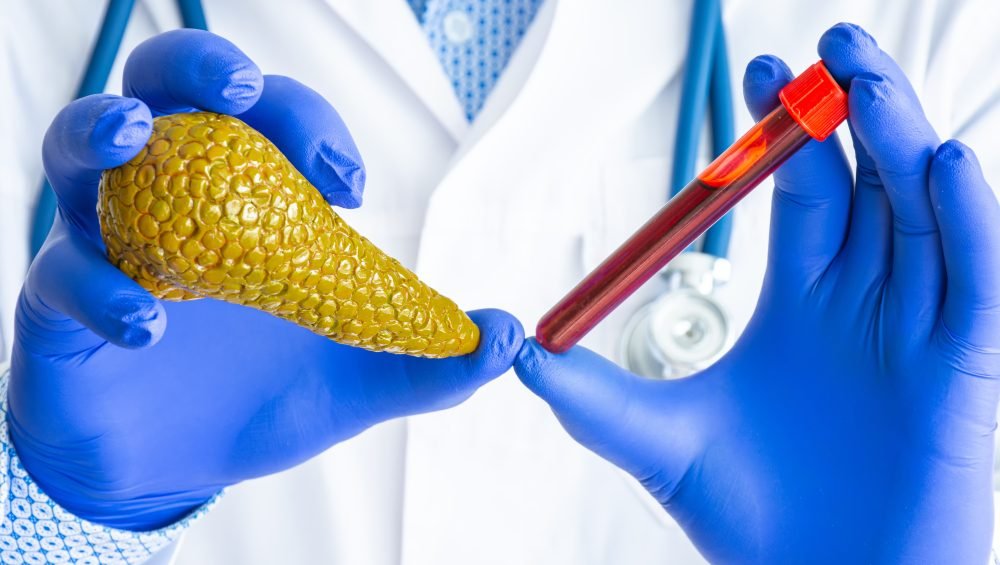
What Lipase Is
Lipase is an enzyme that catalyzes the breakdown of lipids into fatty acids and glycerol. Lipases are found in the pancreas, liver, and stomach. They are also present in tears, saliva, and breast milk.
The primary role of lipases is to digest dietary fats into fatty acids and glycerol. These products are then absorbed into the bloodstream and transported to the cells where they are used for energy or stored as fat. Lipases also play a role in the biosynthesis of cholesterol and other lipids.
There are several types of lipases, classified according to their substrate specificity. The most common types are pancreatic lipase, gastric lipase, and hepatic lipase. Pancreatic lipase is secreted by the pancreas and is responsible for the digestion of fats in the small intestine. Gastric lipase is secreted by the stomach and is responsible for the digestion of fats in the stomach and small intestine. Hepatic lipase is secreted by the liver and is responsible for the digestion of fats in the liver and small intestine.

Lipase Health Benefits
Lipases are enzymes that catalyze the hydrolysis of triglycerides into free fatty acids and glycerol. Lipases have many health benefits. These include the items listed below.

1Breaking Down Dietary Fat
Lipases help break down dietary fat into smaller components that can be more easily absorbed and utilized by the body. This helps support digestion. It also improves the absorption of nutrients from food.

2Burning Stored Fat
Lipases also help burn stored fat, leading to weight loss. They do this by converting stored triglycerides into free fatty acids. The body can then use these for energy.
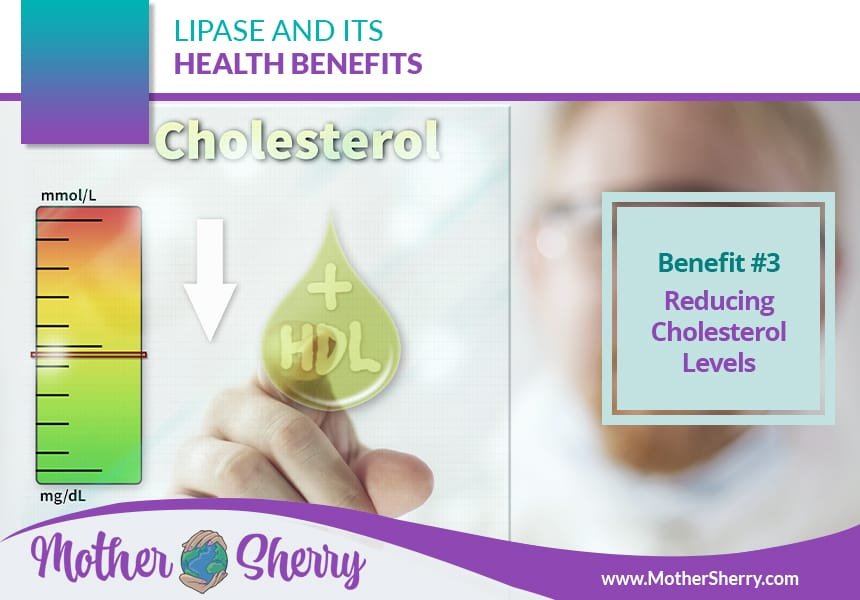
3Reducing Cholesterol Levels
One of the main functions of lipases is to reduce cholesterol levels. They do this by breaking down cholesterol particles into smaller components that are easier to excrete from the body. This can help reduce the risk of heart disease and other cardiovascular problems.

4Can Fight Inflammation
Lipases can also help fight inflammation. They do this by breaking down pro-inflammatory compounds in the body. This can help reduce the risk of diseases, such as cancer, arthritis, and others.

5Better Absorption Of Nutrients From Food
Lipases help break down dietary fat into smaller components. These can be more easily absorbed and utilized by the body. This helps improve digestion and absorption of nutrients from food.

6Increased Energy Levels
Lipases help convert stored triglycerides into free fatty acids. The body can then use these for energy. This leads to increased energy levels and improved overall health.

7Reduced Risk Of Chronic Diseases
Lipases play a role in reducing cholesterol levels. They can also help in fighting inflammation and breaking down pro-inflammatory compounds in the body. This helps reduce the risk of chronic diseases, such as cancer, arthritis, heart disease, and others.
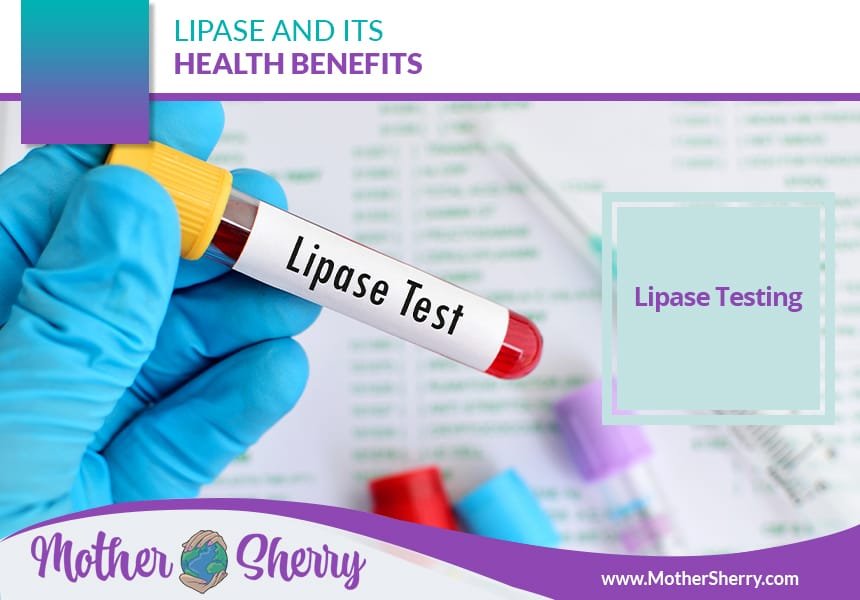
Lipase Testing
Getting your lipase levels tested is a simple and easy process. A blood sample will be taken and sent to a lab for analysis. The results of the test will be used to determine if you have an enzyme deficiency or if your lipase levels are within the normal range.
If you have an enzyme deficiency, treatment will focus on replacing the missing enzyme. This can be done through dietary supplements or by receiving injections of the enzyme. If your lipase levels are within the normal range, no treatment is necessary. This test is used to help diagnose and monitor problems with the pancreas, gallbladder, and liver. The lipase test measures the amount of this enzyme in the blood or a sample of urine.
Normal Values:
Abnormal Values:

Lipase Foods And Supplements
Lipase is a type of enzyme that helps the body break down and digest fats. It is produced naturally in the body but can also be taken as a dietary supplement. Lipase supplements are available in both pill and powder form and can be found at most health food stores.
Lipase supplements are often recommended for people who have difficulty digesting fats, such as those with conditions like Crohn’s disease or pancreatitis. They can also be helpful for people who are trying to lose weight. They can help the body burn more calories from fat.
When taking a lipase supplement, it is important to follow the dosage instructions carefully. Exceeding the recommended dose can cause unpleasant side effects, like diarrhea and stomach cramps. Lipase supplements should also not be taken by pregnant or breastfeeding women, as they may pose risks to the baby.
Lipase supplements are available in tablet or capsule form and are sometimes added to foods to help with digestion. People with low levels of lipase may benefit from taking a lipase supplement. Lipase supplements can help improve digestion and may help reduce feelings of bloating and gas.
Lipase foods are those that contain enzymes that help break down fats. This means that when you eat them, they will help your body better digest and process the fat in your food. This can be helpful for people who have difficulty digesting fat as well as for those who are trying to lose weight. There are several different lipase foods that you can eat. Some of the most common include the items listed below.
-Olive oil: Olive oil is a good source of healthy fats as well as lipase enzymes. When you consume olive oil, it will help break down the fat in your food. This makes it easier for your body to digest.
-Butter: Butter is another great source of lipase enzymes. Like olive oil, it helps break down the fat in your food. This makes it easier to digest and absorb.
-Garlic: Garlic is a naturally occurring source of lipase enzymes. When you eat garlic, it will help break down the fat in your food and improve digestion. Garlic also has a host of other health benefits, so it is a suitable choice whether or not you are looking for lipase food.
-Grapefruit: Grapefruit is another great source of lipase enzymes. It helps break down the fat in your food and improve digestion. Additionally, grapefruit is a great source of vitamin C and fiber, both of which are vital for overall health.
-Pineapple: Pineapple is a fine source of lipase. It helps break down the fat in your food and improve digestion. Additionally, pineapple is a great source of vitamin C and fiber, both of which are important for overall health.
-Tomato: Tomato is a fine source of lipase enzymes. It helps break down the fat in your food and improve digestion. Additionally, tomatoes are a fine source of lycopene, which is a powerful antioxidant.
-Apple: Apple is a good source of lipase enzymes. It helps break down the fat in your food and improve digestion. Additionally, apples are a fine source of fiber, which can help regulate blood sugar levels and promote weight loss.
-Celery: Celery is a good source of lipase enzymes. It helps break down the fat in your food and improve digestion. Additionally, celery is a good source of fiber and water, both of which can help keep you hydrated and regulate your appetite.

Lipase Side Effects And Drug Interactions
Lipase is a digestive enzyme that is produced in the pancreas. It helps break down fats into fatty acids and glycerol. Lipase side effects can include nausea, vomiting, diarrhea, and abdominal pain.
Lipase can also interact with certain medications. It can increase the levels of some medications in the blood, which can lead to adverse effects. Some of the medications that can interact with lipase include the items listed below.
-Statins, which are used to lower cholesterol levels
-Digoxin, a medication used to treat heart failure
-Theophylline, a medication used to treat asthma
-Oral contraceptives
-Phenytoin, a medication used to treat seizures
If you are taking any of these medications, it is important to speak with your doctor before taking lipase supplements. Lipase can also interact with certain medical conditions. People with pancreatitis or other pancreas problems should avoid taking lipase supplements. Lipase can also make gallstones worse. If you have any concerns about taking lipase, it is best to speak with your doctor before starting supplementation.

So there you have it! Improving the health of your digestive system with lipase comes with benefits, including better absorption of nutrients, weight loss, and reduced inflammation. Just be sure to speak with your doctor before starting any supplement, especially if you are taking medications or have a medical condition.