7 Reasons You May Have Pruritus
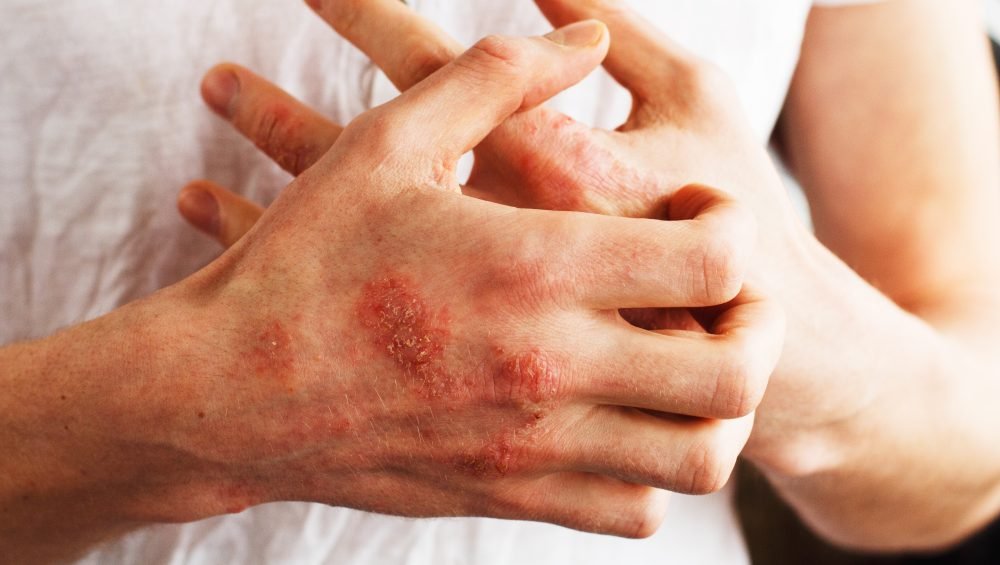
Pruritus is the feeling of incessant, uncontrollable itching. The exact causes of pruritus can be hard to pin down, as it can affect anyone with any type of skin. Some people are more susceptible to the condition, such as those with seasonal allergies (hay fever, asthma, and eczema), pregnant women, people with diabetes or HIV/ AIDS, and the elderly. In this article, we will share with you the common causes of pruritus.
First, we will take a look at psoriasis and liver or kidney problems. Next, we will discuss allergies, measles, chickenpox, and other viral infections. After that, we will talk about bug bites, parasitic infections, and pregnancy and wrap up with dry skin. Once you have finished reading, you will know the common causes of pruritus.
1Psoriasis
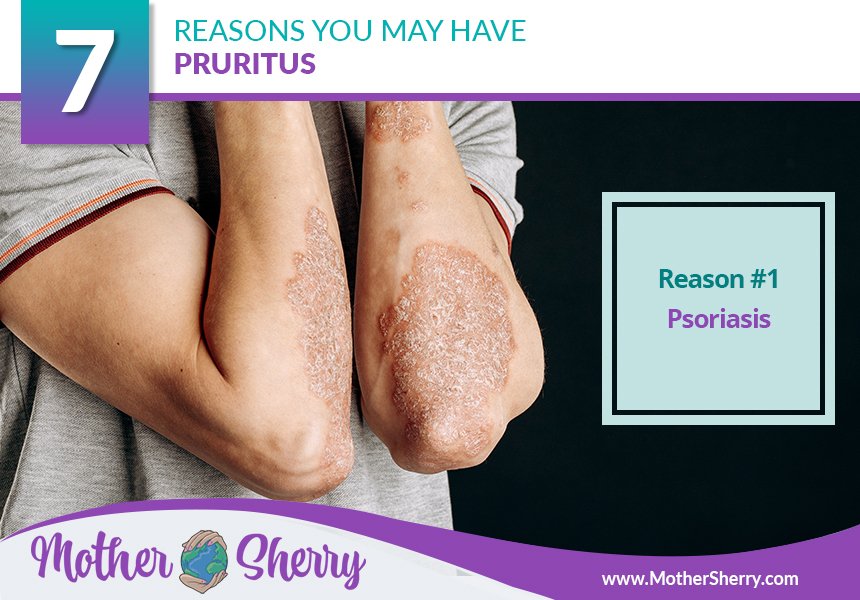
Psoriasis isn’t completely understood but is an immune-mediated condition where the skin cells grow unusually fast. This results in lesions and rashes that can be itchy. Pruritus affects about 60-90% of patients with psoriasis.
Psoriasis is a chronic autoimmune condition that can lead to skin rashes, scaly patches, and other skin changes. Itching is a common symptom of psoriasis. Some people with psoriasis experience intense itching, and scratching increases the risk of infection.

2Liver Or Kidney Problems
Liver conditions, including cirrhosis, cholestasis, non-alcoholic fatty liver disease, and drug-induced liver damage, often cause pruritus. This type of itch usually gets worse at night. It can also be exacerbated by heat, hormonal changes, or contact with wool. Kidney failure can also be an underlying cause of pruritus.
Pruritus is a common comorbidity in chronic liver disease and kidney disease. Some patients frequently complain of pruritus despite having no rash or skin findings. Patients with chronic liver disease develop a systemic itch that significantly impairs activity and sleep.

3Allergies
Allergies are a common cause of pruritus. They can stem from reactions to pollen, food, and certain substances. They cause the release of histamine and other chemicals in the body, which can lead to intense itch.
Hives are raised with itchy red welts or bumps. Contact dermatitis can trigger them, but allergic reactions to insect bites, medications, and foods can also bring on a reaction. Hives tend to appear right away, and they fade within a few hours or days.
4Measles, Chickenpox, And Viral Infections
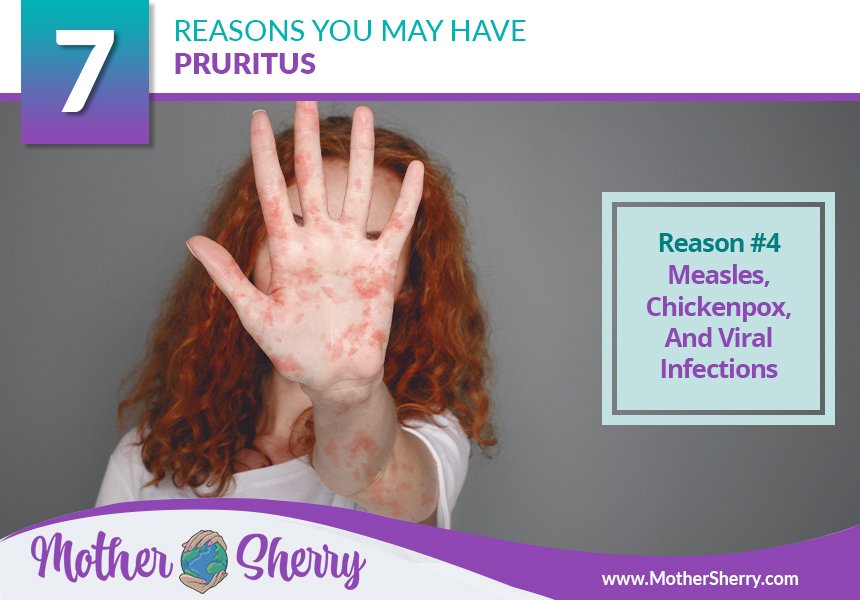
Chickenpox and measles, two highly contagious viral infections usually associated with childhood, can cause temporary pruritus. Measles produces a body-wide rash that typically begins on the face and spreads downward toward the feet. Chickenpox, on the other hand, produces hundreds of itchy blisters that start on the chest and back and spread to the other parts of the body.
The itching associated with these viral infections lasts for a few days to a week. It subsides when the person recovers. Other viruses, like HIV, shingles, and hepatitis C, can also cause excessive itching.
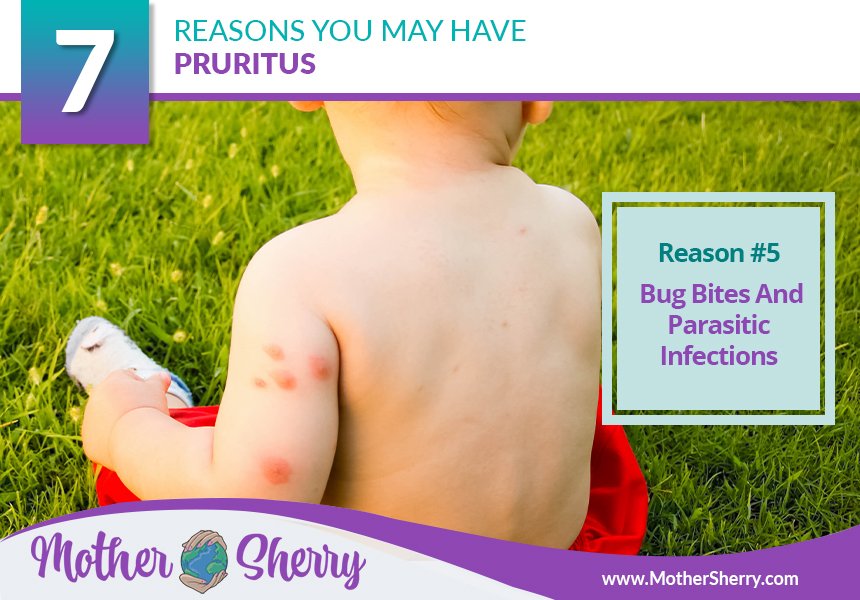
5Bug Bites And Parasitic Infections
Bug bites are fairly common and can result in redness and swelling around the area of the bite. Parasites, like pinworms, lice, or scabies, are also common causes of persistent itching. Bites from fleas, mites, and mosquitoes tend to cause itching rather than pain.
An insect bite or sting often causes a small, red lump on the skin, which may be painful and itchy. Many bites will clear up within a few hours or days and can be safely treated at home. Seek immediate medical attention if a sting causes substantial swelling beyond the site of the sting, swelling in the face, eyes, lips, tongue, or throat, dizziness, or trouble breathing or swallowing. You’ll feel ill after being stung ten times or more at once.

6Pregnancy
About 20 percent of pregnant women experience pruritus. While in most cases it’s due to dry skin, there can be other more serious underlying causes. One of these causes is intrahepatic cholestasis of pregnancy (ICP), which results in a change in bile flow from the liver.
This condition usually begins in the second or third trimester. The disruption in bile flow causes skin lesions and severe itching, especially at night. If not treated, ICP could cause harm to the developing fetus.

7Dry Skin
Dry skin or xerosis can occur for several reasons. Some of these include normal aging, inflammatory skin diseases, the use of harsh soaps or detergents, dry weather conditions, and bathing too frequently. It can also be caused by conditions like diabetes.
Dry skin, eczema, and hives can cause itching all over your body. Contact dermatitis is another cause of all-over itching. Itchy skin without a rash is a less common symptom of iron deficiency anemia. However, it may occur due to the lack of iron in your blood, which takes a toll on your skin. Iron deficiency anemia can be treated by taking iron supplements and eating more iron-rich foods.
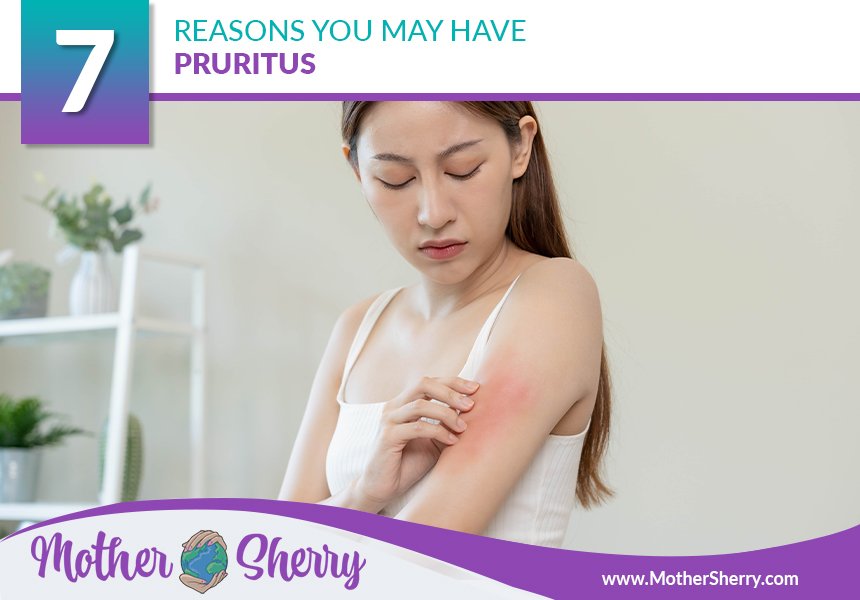
You or someone you love may be suffering from the feeling of incessant, uncontrollable itching. This is called pruritus. It can affect anyone with any type of skin, and the exact causes of pruritus can be hard to pin down. Those with seasonal allergies (hay fever, asthma, and eczema), pregnant women, people with diabetes or HIV/ AIDS, and the elderly are more susceptible to the condition. In this article, we shared with you the common causes of pruritus.
First, we took a look at psoriasis and liver or kidney problems. Next, we discussed allergies, measles, chickenpox, and other viral infections. After that, we talked about bug bites, parasitic infections, and pregnancy and wrapped things up with dry skin. Now that you have finished reading, you know the common causes of pruritus.