10 Frequent Questions About Niacin

Niacin, a water-soluble vitamin, is found in many food items like meat, poultry, fish, and some vegetables. It can improve the health of adults who want to take niacin supplements for nutrition purposes. It’s available over the counter.

Niacin has several benefits for one’s health, such as reducing bad cholesterol levels, improving circulation, and lowering the risk of heart disease. Speak with your doctor beforehand if you’re considering taking large doses of niacin. It might result in serious side effects.

1What Are Some Of The Health Benefits Of Niacin?

Niacin, also known as vitamin B3, is an essential nutrient that plays a role in many different bodily functions. Niacin is necessary for the proper metabolism of fats and carbohydrates. It helps maintain healthy skin and nervous system function.

Here are many different health benefits associated with niacin supplementation.

  • Improved cholesterol levels
  • Improved cognitive function
  • Reduced inflammation
  • Reduced risk of heart disease
  • Reduced risk of stroke
  • Reduced risk of cancer

Additionally, niacin is involved in the production of sex hormones and red blood cells. Niacin works by helping the body metabolize fats and carbohydrates. It helps maintain healthy skin and nervous system function.
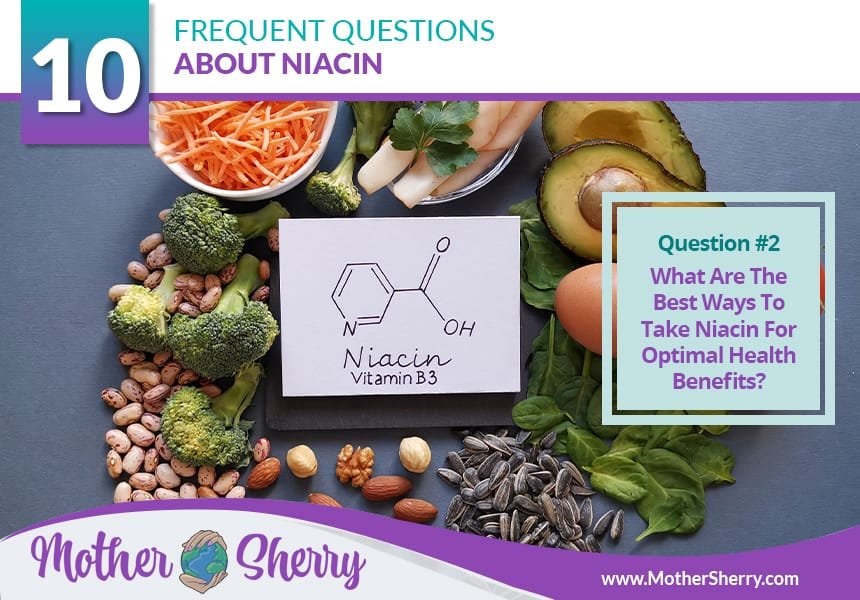
2What Are The Best Ways To Take Niacin For Optimal Health Benefits?

You can receive the most health benefits from niacin by taking a supplement in pill form. You can also increase your intake of foods that are rich in niacin. When taking a niacin supplement, there are a few things to keep in mind to ensure optimal health benefits.

First, it is important to follow the instructions on the supplement bottle. Secondly, it is best to take niacin with food to reduce the risk of side effects, such as stomach upset. Finally, if you have any questions or concerns about taking niacin, be sure to speak with your healthcare provider.

3What Are Some Of The Potential Side Effects Of Niacin?

Although niacin is mostly well received, there are a few potential side effects of which you should be aware. The most frequent response to taking niacin supplements is skin flushing. But it’s nothing to worry about and should go away within just a couple of hours.

The other potential side effects of niacin are listed below.

  • Stomach upset
  • Headache
  • Dizziness
  • Diarrhea

There are a few precautionary measures you can take to avoid any side effects while taking niacin. First and foremost, make sure to follow the dosage instructions on the supplement bottle. Secondly, consume the food before taking niacin to decrease the chances of an upset stomach, which is a common side effect. Lastly, if you have questions or uncertainties regarding niacin consumption, don’t hesitate to reach out to your healthcare professional for guidance.
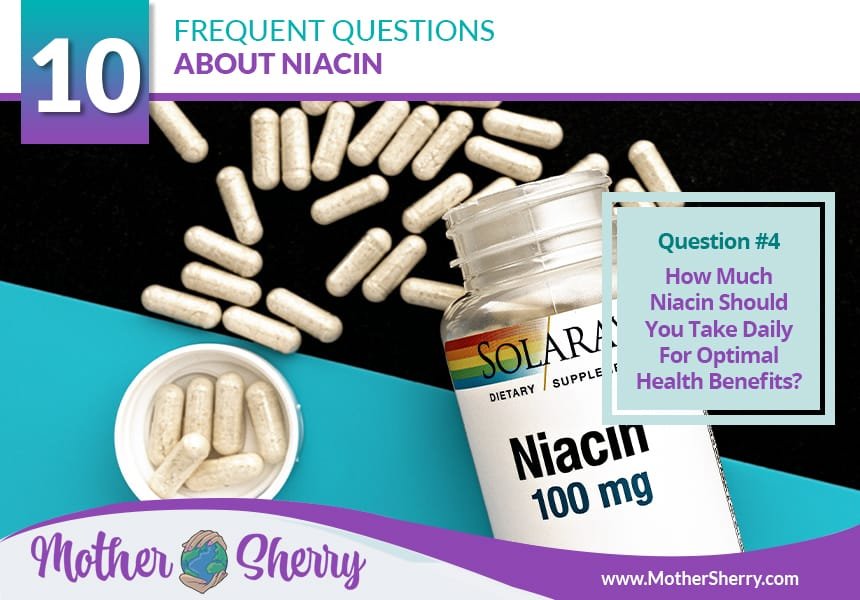
4How Much Niacin Should You Take Daily For Optimal Health Benefits?

A few things that play into how much niacin you need to take daily are your age, weight, and health. The average amount (RDA) of niacin is 14-16 mg/day for adults. But if you’re looking to lower cholesterol or reduce heart disease risks, you might have to up the dosage a bit. To ensure that you’re taking the right amount of niacin, speak with your doctor first.

5Are There Any Other Supplements That Work Synergistically With Niacin To Improve Health?

Niacin, also known as vitamin B3, is an important supplement to many people’s diets. There are a few different supplements that work synergistically with niacin to improve health. Here are some supplements.

  • Vitamin B6: Vitamin B6 helps reduce the risk of heart disease and stroke.
  • Folic Acid: Folic acid helps reduce the risk of birth defects.
  • Vitamin B12: Vitamin B12 helps improve cognitive function.

When taking niacin supplements, be sure to follow the directions on the bottle exactly. Are you unsure of how much niacin you should take? If you are, consult with your healthcare provider for more guidance.

6What Are Some Of The Best Food Sources Of Niacin?

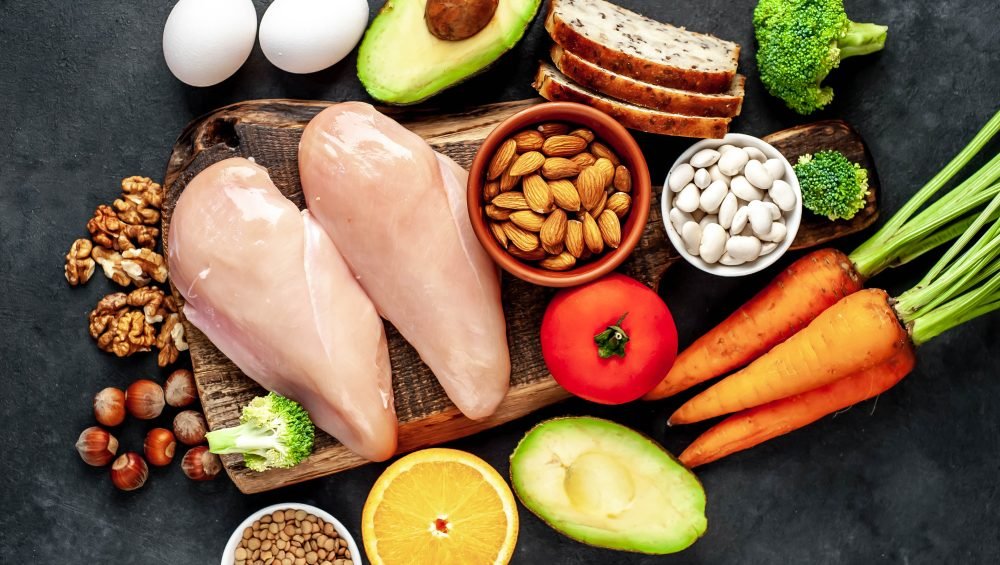
Niacin is an important nutrient for many bodily functions. Getting niacin from food sources helps to ensure that you’re getting all the nutrients your body needs. Additionally, dietary niacin has been shown to reduce the likelihood of developing side effects, such as stomach upset. You can receive the most health benefits from niacin by increasing your intake of foods high in niacin.

Here are some good food sources of niacin.

  • Tuna
  • Salmon
  • Chicken
  • Beef
  • Pork
  • Fortified cereals
  • Legumes
  • Nuts
  • Seeds

When you want the results niacin offers, it’s key to select the right supplement. Look for products without fillers or other additives. Consider enteric-coated supplements if stomach upset is a concern.

If you are vegan or vegetarian, there are still plenty of options for getting enough niacin. Some of the best vegan sources are listed below.

  • Fortified cereals
  • Quinoa
  • Tempeh
  • Lentils
  • Peanuts
  • Spinach

As you can see, there are plenty of niacin-rich foods to choose from, no matter what your diet consists of. Niacin is an important nutrient that aids with various bodily functions. So be sure to include it in your diet.
7Can You Get Too Much Niacin From Diet Alone, Or Do You Need To Supplement?

Although you cannot overdose on niacin from dietary sources, too much niacin from supplements can lead to side effects, such as stomach upset and headaches. Make sure to follow the instructions on your supplement bottle and speak with a healthcare professional if you have any questions or concerns. Niacin toxicity symptoms depend on how much niacin you consume. Too much niacin may result in side effects, such as an upset stomach, flushing, and headaches.

If you want to reduce your niacin intake from diet alone, there are a few ways you can do that. Avoid eating foods rich in niacin, like tuna, salmon, chicken, beef, pork, and fortified cereals. You should also limit your consumption of legumes, nuts, and seeds.
8Are There Any Populations That Might Benefit From Additional Niacin Supplementation?

Niacin supplementation might be beneficial for the following groups of people below.

  • Vegans and vegetarians
  • Pregnant women
  • Those with certain medical conditions

Because vegans and vegetarians do not get niacin from animal sources, they might benefit from additional niacin supplementation. Pregnant women need more of this nutrient during pregnancy, so they, too, might benefit from additional niacin supplementation. People with certain medical conditions, such as pellagra or Hartnup disease, can also gain added benefits from extra niacin in their diet.

To ensure that you’ll get the most out of a niacin supplement, purchase a high-quality product without fillers. Secondly, find an enteric-coated supplement to avoid irritation. Lastly, talk to your doctor about usage.

Here are a few tips for getting enough niacin.

  • Eating foods high in niacin, like tuna, salmon, chicken, beef, pork, and fortified cereals
  • Taking a supplement/li>
  • Talking to your doctor about the best way to take it

Incorporate these tips into your routine to ensure that you’re getting enough niacin.

9Are There Any Populations That Should Avoid Niacin Supplementation?

Here are a few populations that should avoid niacin supplementation.

  • People with certain medical conditions
  • People taking certain medications
  • Pregnant women
  • Breastfeeding women

Niacin supplementation should be avoided by pregnant women, breastfeeding women, and those with medical conditions, such as pellagra or Hartnup disease. Additionally, people taking some medications, such as isoniazid or cholesterol-lowering drugs, need to stay away from niacin supplements.

If you fall into one of the populations that should avoid supplementation, taking a niacin supplement poses some risks. Below are some of these risks.

  • Greater likelihood of side effects
  • More severe reactions
  • Toxicity

If you are part of a population that should avoid taking extra niacin, always speak to your healthcare provider before starting a supplement.

10What Are Some Of The Most Common Myths About Niacin And Its Health Benefits?

There are a few myths about niacin and its health benefits. These myths are listed below.

  • Niacin is a cure-all for a variety of health conditions.
  • Niacin is an effective treatment for Alzheimer’s disease.
  • Niacin is an effective treatment for arthritis.
  • Niacin is an effective treatment for cancer.

Niacin cannot miraculously cure various health conditions. Alzheimer’s disease, arthritis, and cancer have shown no improvement in patients taking niacin. Before you start taking niacin supplements, speak with your doctor to see if it’s the right move for you. They can also tell you how much to take and the best way to go about it.

Niacin, also known as vitamin B3, is a vital part of keeping you healthy. It does this in multiple ways. It helps keep your skin healthy, supports your nervous system function, and aids in the digesting of food.

Niacin has also been linked with cholesterol regulation and a decreased risk of heart disease. As with any new supplement, speak with your doctor before beginning niacin usage. This will ensure that it won’t interact adversely with any preexisting conditions or medications that you’re already taking.

Cremini Mushrooms: Everything You Need To Know

Cremini mushrooms are a type of mushroom that is often used in cooking. They are high in B vitamins, selenium, potassium, copper, and phosphorus. Cremini mushrooms also produce conjugated linoleic acid or CLA.
CLA is a phytochemical fatty acid that has anti-inflammatory and cancer-fighting properties. Cremini mushrooms are also known to help reduce body fat and promote weight loss. In addition to their nutritional benefits, cremini mushrooms have been shown to have health benefits for the gut, immune system, and metabolism.

What Are Cremini Mushrooms

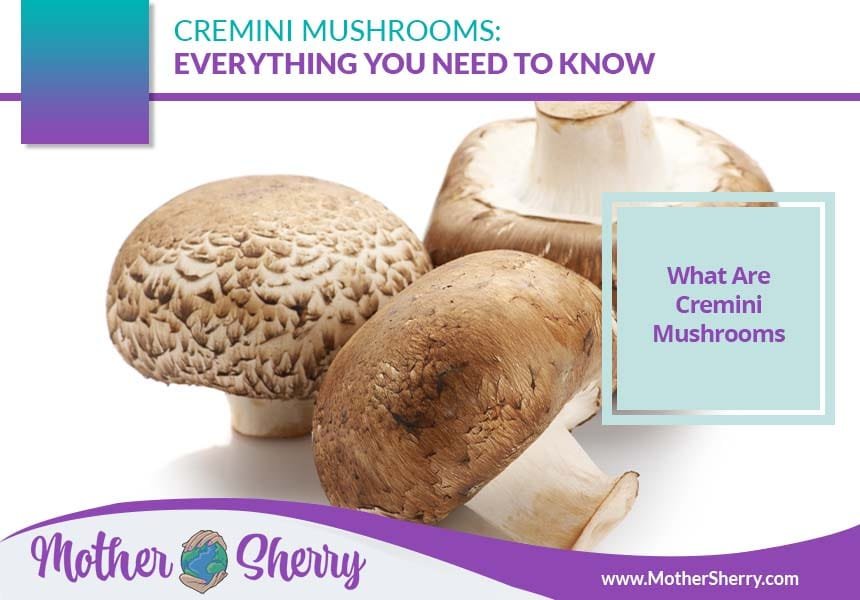
Cremini mushrooms are a type of edible mushroom that belongs to the species Agaricus bisporus. Cremini mushrooms are also known as baby bella or crimini mushrooms. These mushrooms have a brownish color and a slightly different flavor than the white button mushrooms.

You can identify cremini mushrooms by their small, dark brown caps and long, slender stems. They are often mistaken for other types of edible mushrooms, such as the white button mushroom and the portobello mushroom. The white button mushroom is the most similar to the cremini in terms of color and size; however, the white button mushroom has a smoother cap and a more mild flavor. Meanwhile, the portobello mushroom is larger than the cremini mushroom and has a darker color. It also has a more robust flavor.

Cremini mushrooms have been in use since ancient times. They were first mentioned in a cookbook from the 1st century AD. These mushrooms were also used in medieval times as medicine. Today, cremini mushrooms are widely consumed around the world and are used in many dishes. They can be eaten raw, cooked, or pickled.

Cremini mushrooms are native to Europe and North America. Today, they are grown in many parts of the world, including China, Japan, and Australia. These mushrooms are a popular ingredient in some cuisines, such as Italian, French, Chinese, and Japanese cuisine.

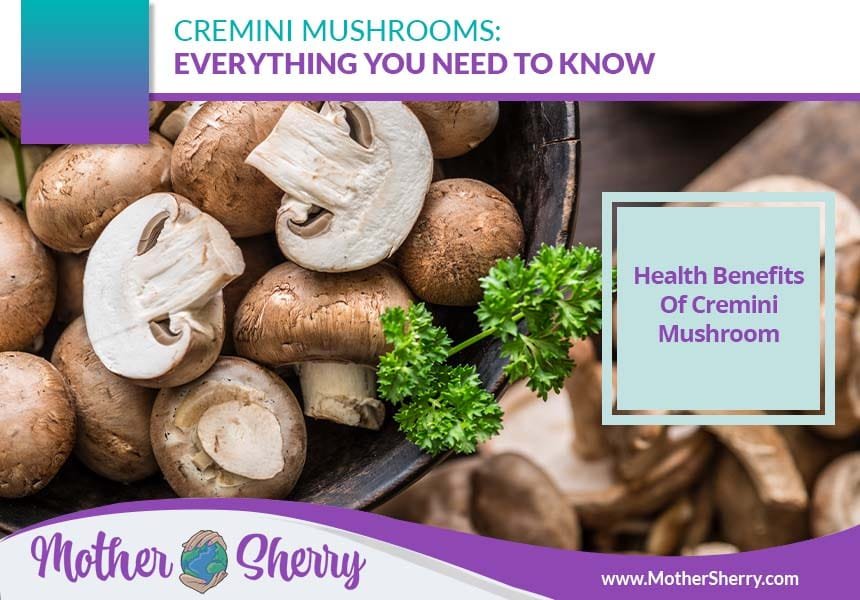
Health Benefits Of Cremini Mushroom

Cremini mushrooms are full of nutrients, including vitamins, minerals, antioxidants, and fiber. These mushrooms are a great source of vitamin D, which is important for bone health. They also contain copper, which is necessary for the formation of red blood cells.

Cremini mushrooms are low in calories and fat. They are a healthy addition to any diet. This means that they can provide many impressive benefits to health and wellness.

Fighting Cancer And Disease

Cremini mushrooms help fight diseases such as cancer. This is because they contain antioxidants that scavenge harmful toxins and by-products that can damage cells. These mushrooms also help boost the immune system, which helps the body fight off infection and disease.

They are anti-inflammatory. This means that they can help reduce swelling and pain in the body. This is beneficial for conditions such as arthritis and inflammatory bowel disease. Some of the cancers that they can help prevent are colon cancer, prostate cancer, and breast cancer.

Cremini mushrooms are also full of ergothioneine. Ergothioneine (EGT) is a type of amino acid that is found in cremini mushrooms. This compound helps protect cells from damage caused by free radicals. It also helps boost the immune system and has anti-inflammatory properties. Ergothioneine is a powerful antioxidant that can help reduce the risk of disease.

Improving Cardiovascular Health

Cremini mushrooms are good for the heart. This is because they help lower cholesterol levels and triglycerides in the blood. They also help keep blood pressure under control. All of these effects together can help reduce the risk of heart disease.

Cremini mushrooms also reduce inflammation in the lungs. They do this by scavenging harmful toxins. This can help prevent conditions such as COPD and bronchitis. They also help improve lung function and reduce the risk of lung cancer.

These mushrooms can also help improve kidney function. They do this by reducing inflammation in the kidneys. This can help prevent conditions such as kidney disease and kidney stones.

Keeping The Brain Healthy

Cremini mushrooms are good for the brain. This is because they contain compounds that help protect nerve cells from damage. These mushrooms also reduce inflammation in the brain, which can help prevent Alzheimer’s disease and dementia.

They also help to improve cognitive function and memory. This is because they scavenge harmful toxins and by-products that can damage cells. These properties help keep the brain healthy and functioning properly.

Treating And Preventing Fatigue

Cremini mushrooms can help prevent fatigue by providing the body with energy. This is because they contain B vitamins, which are essential for the metabolism of carbohydrates. They also help convert food into energy. These properties make cremini mushrooms a great choice for people who are looking for a natural way to boost their energy levels.

Cremini mushrooms can also help reduce stress and anxiety. This is because they contain compounds that help relax the mind and body. This can be beneficial for people who are dealing with stress and anxiety disorders.

Cremini mushrooms also boost immunity by helping the body fight off infection and disease. This can help prevent illnesses, such as the common cold and flu. The lack of these stressors on the body can also contribute to less fatigue and exhaustion.

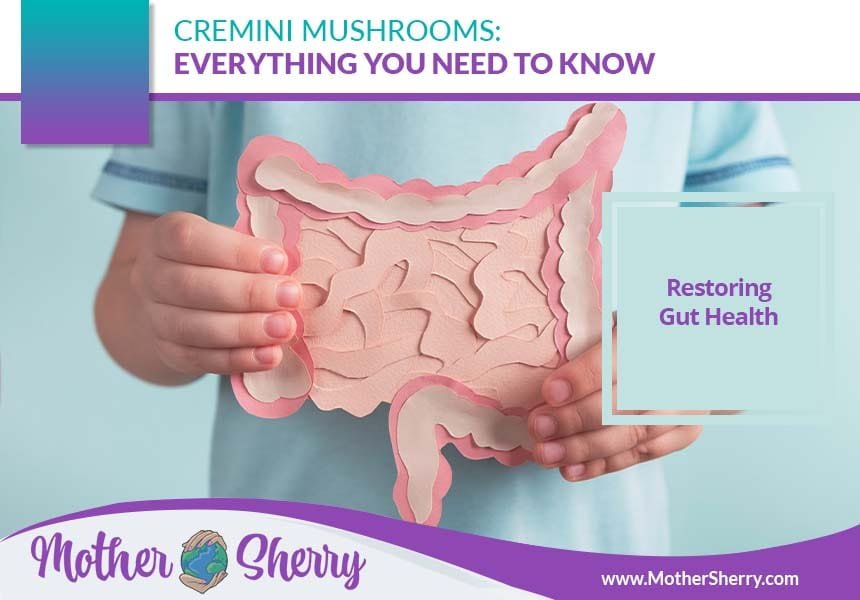
Restoring Gut Health

Cremini mushrooms boost and restore gut health by helping increase the growth of good bacteria in the gut. This is important because good gut bacteria are essential for digestion, absorption of nutrients, and protection against harmful bacteria and toxins. Cremini mushrooms also help reduce inflammation in the gut. This can be beneficial for people who have inflammatory bowel disease. These mushrooms also help improve gut motility and reduce the risk of constipation.

In addition, cremini mushrooms help break down food more effectively. This helps the body absorb more nutrients from the food we eat. It also helps reduce the amount of work the digestive system has to do. All of these effects can contribute to better gut health.

They can also protect against intestinal permeability, also known as “leaky gut syndrome.” This condition is characterized by the leaking of toxins and bacteria from the intestines into the bloodstream. It can cause inflammation, digestive issues, and a weakened immune system. Eating cremini mushrooms can help seal the gaps in the intestines and restore gut health. This can reduce the symptoms of the leaky gut syndrome and improve overall health.

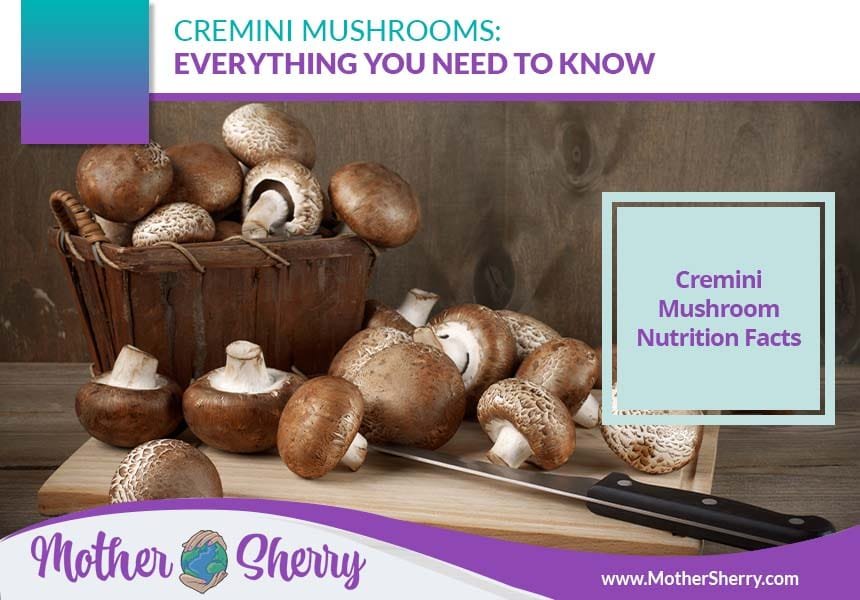
Cremini Mushroom Nutrition Facts

Cremini mushrooms are high in B vitamins, including niacin, riboflavin, and pantothenic acid. They are also a great source of selenium, potassium, copper, and phosphorus. In addition, they are low in calories and fat and are also an excellent source of fiber.

In terms of vitamins and minerals, cremini mushrooms are a great source of vitamins B6, C, and D. They are also an excellent source of potassium, copper, selenium, and phosphorus. One cup (70 grams) of sliced cremini mushrooms contains the following nutrients.

  • Calories: 22
  • Protein: 3 grams
  • Carbs: 4 grams
  • Fiber: 1 gram
  • Fat: 0 grams
  • Vitamin B6: 10% of the RDI
  • Vitamin C: 9% of the RDI
  • Vitamin D: 5% of the RDI
  • Potassium: 8% of the RDI
  • Copper: 8% of the RDI
  • Selenium: 7% of the RDI
  • Phosphorus: 6% of the RDI

Cremini mushrooms also produce conjugated linoleic acid or CLA. CLA is a phytochemical fatty acid that is found in cremini mushrooms. It has been shown to have anti-inflammatory and cancer-fighting properties. CLA is also known to help reduce body fat and promote weight loss.

How To Use Cremini Mushrooms

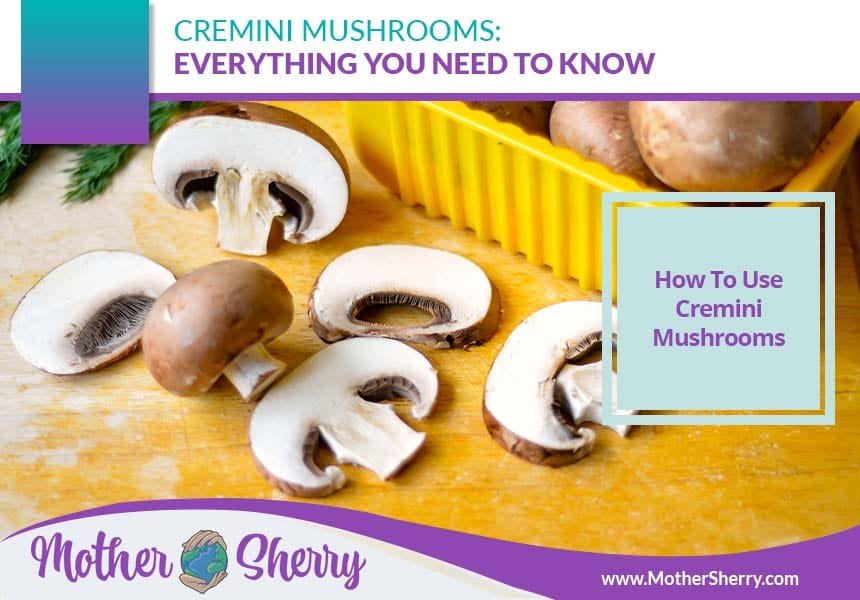
Before using any sort of mushroom, you should make sure that they’re clean. Mushrooms grow low to the ground, and fresh mushrooms are often covered in dirt when acquired. Clean cremini mushrooms by gently brushing them with a soft brush. If they’re especially dirty, you can also rinse them with cool water. You should not soak cremini mushrooms because they will absorb the water and become soggy.

Once they’re clean, you can use cremini mushrooms in any recipe that calls for mushrooms. They can be eaten raw, cooked, or used as an ingredient in recipes. Cremini mushrooms can be used in place of white button mushrooms in any recipe. Cremini mushrooms are usually used in a wide variety of dishes to complement other foods. Some foods that go well with cremini mushrooms include garlic, herbs, onions, tomatoes, rice, pasta, eggs, cheese, beef, chicken, and pork.

Risks And Side Effects Of Cremini Mushrooms

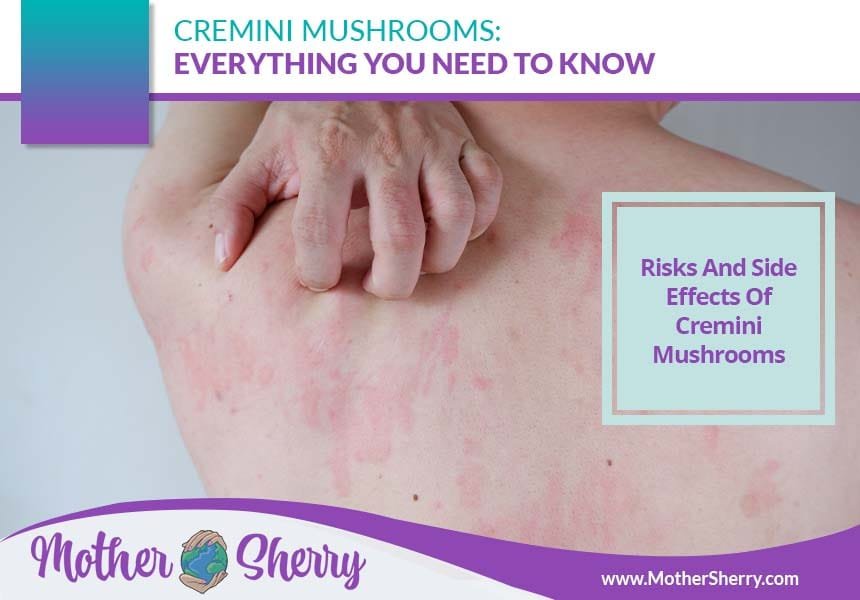
Cremini mushrooms are generally safe to eat; however, there are a few potential risks and side effects to be aware of. If you have an allergy to mushrooms, you should not eat cremini mushrooms. People who are allergic to mushrooms may experience symptoms such as hives, difficulty breathing, swelling of the throat or mouth, and abdominal pain. If you experience any of these symptoms after eating cremini mushrooms, you should seek medical attention immediately.

In rare cases, people may develop an intolerance to mushrooms. This is different from an allergy and usually only causes digestive symptoms, such as bloating, gas, diarrhea, and nausea. If you experience any of these symptoms after eating cremini mushrooms, you should stop consuming them and talk to your doctor. Cremini mushrooms may also interact with certain medications, such as blood thinners and immunosuppressants. If you are taking any medication, you should talk to your doctor before eating cremini mushrooms.

Final Thoughts

Cremini mushrooms are an excellent source of many vitamins, minerals, and phytochemicals. They have anti-inflammatory and cancer-fighting properties. They can help reduce body fat and promote weight loss.

Cremini mushrooms can be used in any recipe that calls for mushrooms and is complementary to a wide variety of foods. However, there are a few potential risks and side effects to be aware of when consuming cremini mushrooms. If you have an allergy to mushrooms or experience digestive symptoms after eating them, you should consult your doctor before continuing to eat them.

The Benefits Of Sunflower Lecithin: The Wonder Supplement

Sunflower lecithin is a natural compound found in sunflowers and other plants. It is made up of phospholipids, including choline, linoleic acid, and inositol. Sunflower lecithin has many health benefits and can be taken as a supplement or used in cooking. In this article, we will discuss the benefits of sunflower lecithin, how to get started using it, and the risks and side effects associated with it.

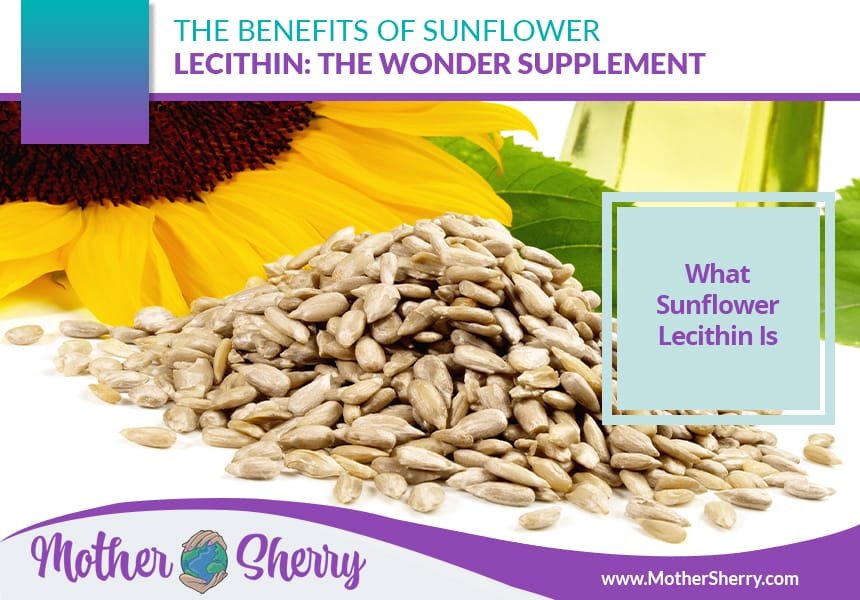
What Sunflower Lecithin Is

Sunflower lecithin is a natural dietary supplement derived from sunflower seeds. It is rich in choline, a key nutrient that helps maintain healthy cell membranes and supports brain development. Sunflower lecithin also contains phosphatidylinositol and phosphatidylcholine, both of which are essential for proper neurotransmitter function and play a role in regulating cholesterol levels.

Sunflower lecithin has been shown to support heart health by improving the flexibility of red blood cells and promoting healthy circulation. It can be taken orally or added to food as an emulsifier, but it is important to note that sunflower lecithin should not be heated before consumption, as this may degrade its beneficial compounds. Sunflower lecithin is a versatile dietary supplement with numerous potential health benefits.

Sunflower Lecithin Health Benefits

Sunflower lecithin is derived from sunflower seeds and has a variety of potential benefits for our health. For starters, it contains essential fatty acids, including both linoleic acid (omega-6) and oleic acid (omega-9). These fatty acids are vital for brain function, cellular growth and repair, and cardiovascular health. Sunflower lecithin also has emulsifying properties, making it useful in the food industry as an additive to help ingredients mix more smoothly.

Some research suggests that sunflower lecithin may aid in improving cognitive function and treating digestive issues, such as leaky gut syndrome and constipation. However, it’s important to note that more research is needed to fully understand all of the potential benefits of sunflower lecithin. Speak with a healthcare professional before adding it to your diet or using it as a supplement.

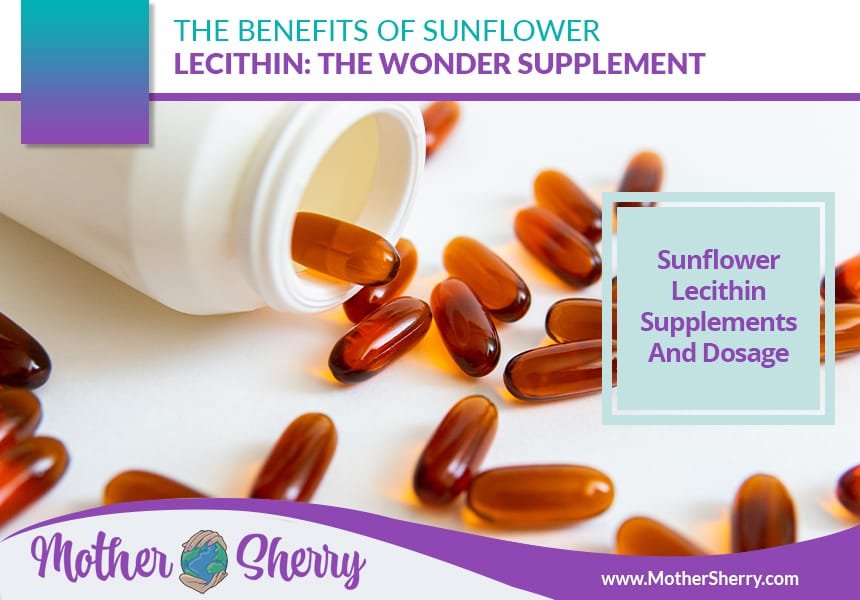
Sunflower Lecithin Supplements And Dosage

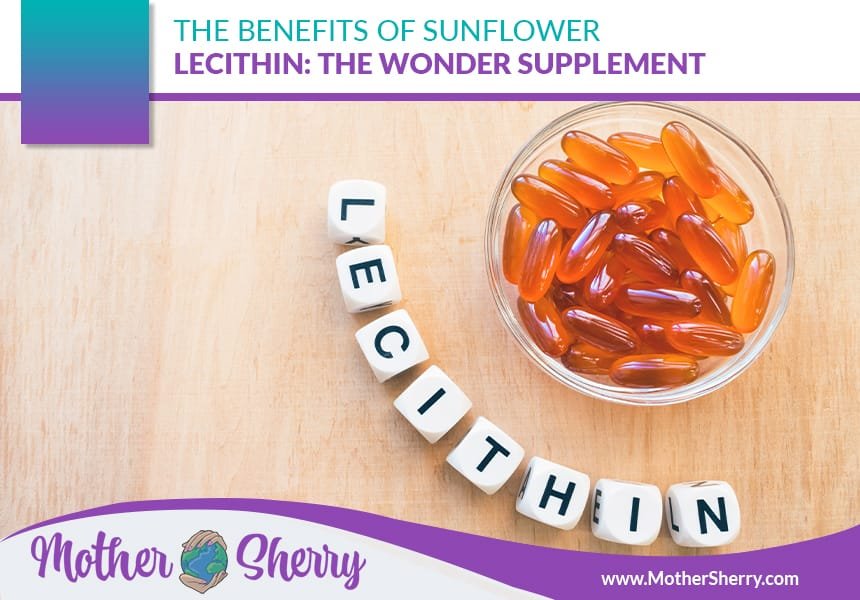
Sunflower lecithin is a common supplement believed to have several potential benefits, including improved brain function and digestion. It is derived from the toasted and deoiled sunflower seeds and contains choline, phospholipids, lipids, and other nutrients. When it comes to the recommended dosage for supplements, it’s vital to consult with a healthcare professional, as individual needs may vary.

Most experts suggest starting with one to two teaspoons per day and gradually increasing up to four teaspoons per day if desired. It’s also important to note that sunflower lecithin can interact with certain medications, so be sure to check with your doctor before incorporating it into your routine. To reap the potential benefits of this supplement, look for an organic, non-GMO source and consider taking it with a meal for the best absorption. Overall, sunflower lecithin offers a high concentration of healthy fats and nutrients that may enhance overall health and well-being.

Sunflower Lecithin Risks And Side Effects

Sunflower lecithin is a common food additive made from sunflower seeds, and it has a variety of potential health benefits. However, it is vital to note that there are also some potential risks and side effects associated with its consumption. One risk is an allergic reaction, as sunflower lecithin can trigger allergic reactions in those who have a sunflower allergy. Another potential issue is digestive discomfort, as high doses of lecithin can cause diarrhea or stomach upset.

Some studies have suggested that consuming large amounts of lecithin may raise levels of a specific type of cholesterol in the bloodstream, potentially increasing the risk of heart disease. Therefore, individuals should exercise caution and consult their healthcare provider before using sunflower lecithin regularly. It’s also important to note that pregnant or breastfeeding women should avoid taking high doses of sunflower lecithin without consulting their doctor first. While sunflower lecithin can offer numerous health benefits, it’s crucial to be aware of the possible risks and side effects before adding it to your diet.

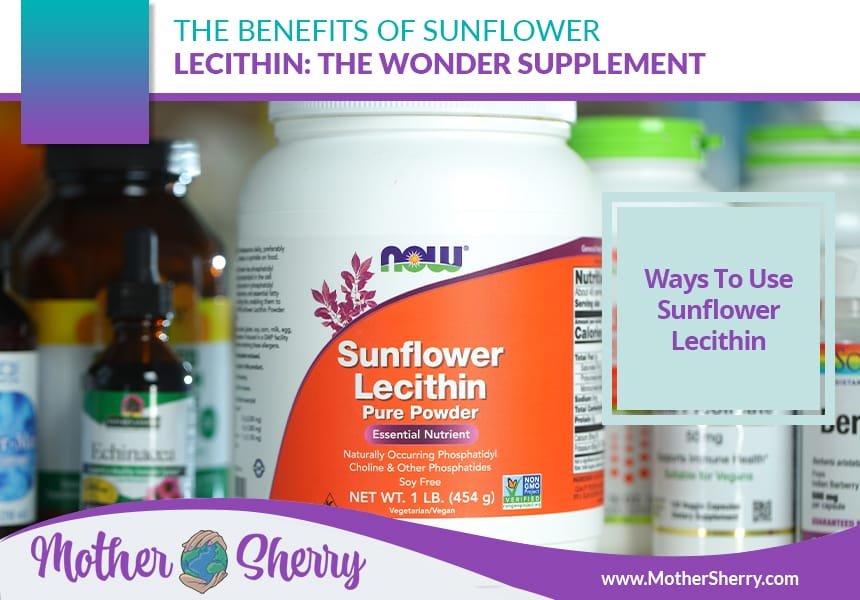
Ways To Use Sunflower Lecithin

Sunflower lecithin is a popular ingredient in many health and beauty products, and it can also have a variety of uses in the kitchen. It’s a natural emulsifier, meaning it helps evenly distribute ingredients when added to recipes. Try using sunflower lecithin as an alternative to traditional emulsifiers, like eggs or gelatin, in homemade mayonnaise or ice cream.

It can also be used as a non-stick coating for pans when cooking or baking and even added to smoothies for a boost of vitamin E and phospholipids. Sunflower lecithin can also be applied directly to the skin as a moisturizer or added to DIY skincare recipes for improved texture and hydration. Incorporating sunflower lecithin into your daily routine can provide numerous benefits for both your internal and external wellness. Here are four sunflower lecithin recipes you can DIY from the comfort of your home. Enjoy!

1Sunflower Lecithin Ice Cream Recipe

Ingredients:

  • 1 cup heavy cream
  • 1/2 cup milk
  • 1/2 cup granulated sugar
  • 1/4 cup cornstarch
  • 1 teaspoon vanilla extract
  • A pinch of salt
  • 3 egg yolks
  • 3 tablespoons sunflower lecithin

Instructions:

  1. In a medium saucepan, combine the cream, milk, sugar, cornstarch, vanilla extract, and salt. Heat over medium heat, stirring constantly until the mixture comes to a boil.
  2. Meanwhile, in a separate bowl, whisk together the egg yolks and sunflower lecithin until smooth.
  3. When the cream mixture reaches a boil, slowly pour it into the egg yolk mixture while whisking constantly. Return the mixture to the saucepan and cook over medium heat, stirring constantly until it thickens and coats the back of a spoon.
  4. Pour the mixture into a blender and blend until smooth. Pour it into a container and refrigerate for at least two hours or overnight.
  5. Serve cold and enjoy!

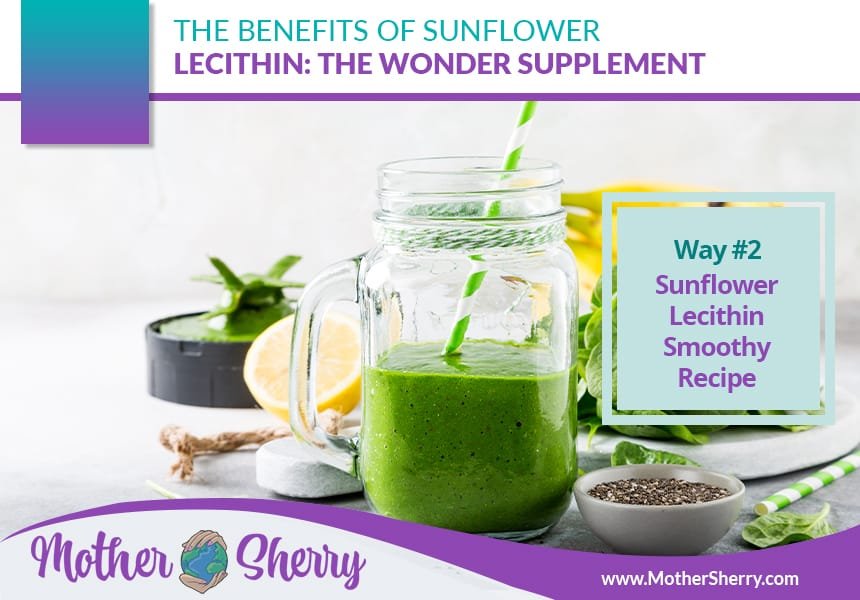
2Sunflower Lecithin Smoothy Recipe

Ingredients:

  • 1 banana
  • 1 cup fresh spinach
  • 1/2 cup soy milk or almond milk
  • 3 tablespoons sunflower lecithin

Instructions:

  1. Add all of the ingredients to a blender and blend until smooth.
  2. Pour into a glass and enjoy!

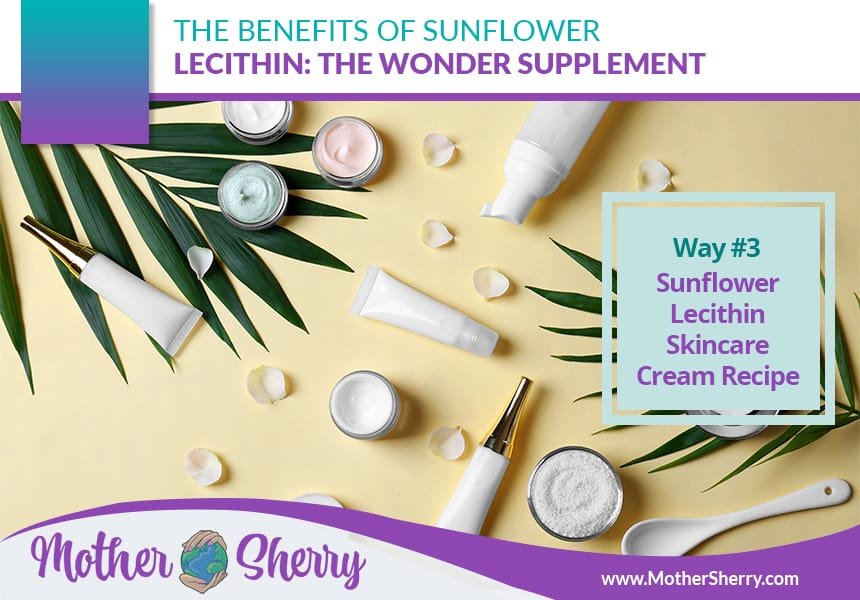
3Sunflower Lecithin Skincare Cream Recipe

Ingredients:

  • 1 cup heavy cream
  • 1/2 cup milk
  • 1/2 cup granulated sugar
  • 1/4 cup cornstarch
  • 1 teaspoon vanilla extract
  • A pinch of salt
  • 3 egg yolks
  • 3 tablespoons sunflower lecithin

Instructions:

  1. In a medium saucepan, combine the cream, milk, sugar, cornstarch, vanilla extract, and salt. Heat over medium heat, stirring constantly until the mixture comes to a boil.
  2. Meanwhile, in a separate bowl, whisk together the egg yolks and sunflower lecithin until smooth.
  3. When the cream mixture reaches a boil, slowly pour it into the egg yolk mixture while whisking constantly. Return the mixture to the saucepan and cook over medium heat, stirring constantly until it thickens and coats the back of a spoon.
  4. Pour the mixture into a blender and blend until smooth. Pour it into a container and refrigerate for at least two hours or overnight.
  5. Apply to your skin as needed.

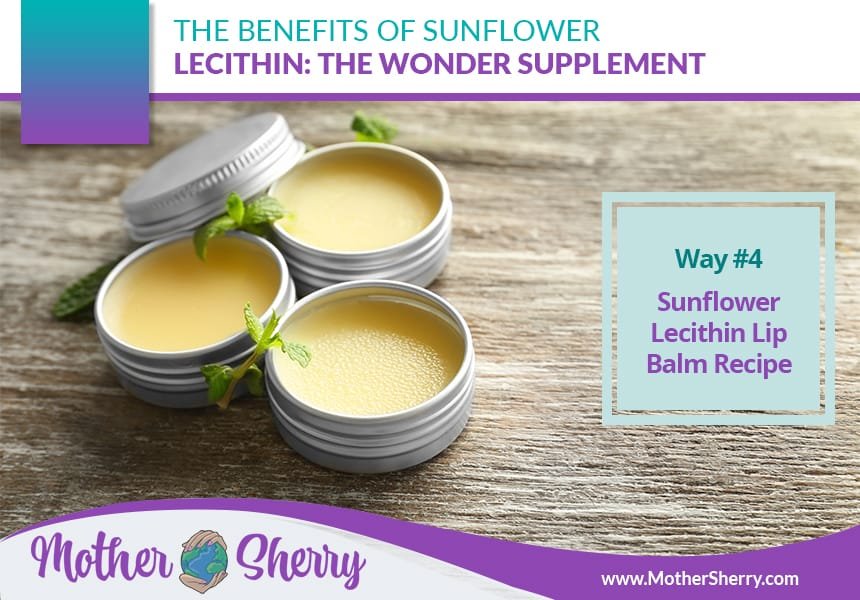
3Sunflower Lecithin Lip Balm Recipe

Ingredients:

  • 1/4 cup beeswax
  • 1/4 cup sunflower lecithin
  • 1/2 teaspoon vanilla extract

Instructions:

  1. In a small saucepan, melt the beeswax over low heat.
  2. Remove from heat and stir in the sunflower lecithin and vanilla extract until well combined.
  3. Pour into a lip balm container and allow it to cool.
  4. Apply to your lips as needed.

The health benefits of sunflower lecithin are vast and diverse. From aiding digestion to keeping your skin hydrated, this natural ingredient does it all. Give these recipes a try and see for yourself just how beneficial sunflower lecithin can be.

Deciding to prioritize your health is a brave and admirable step. Whether you’re looking to improve your digestion, add more nutrient-rich foods to your diet, or simply want to feel your best, sunflower lecithin is a great place to start. Not only is it packed with essential vitamins and minerals, but it’s also incredibly versatile. You can add it to your favorite smoothie recipe, use it as a natural skin moisturizer, or even bake with it.

Whichever way you choose to incorporate the sunflower lecithin benefits into your life, you’re sure to see positive results. So what are you waiting for? Give it a try today!

Hopefully, this article has given you a better understanding of sunflower lecithin and its many benefits. Now that you know how to incorporate this powerful ingredient into your life, why not give it a try? You may be surprised at just how much of a difference it can make.

Acerola Cherry: The Superfood You Need To Know About

If you’re looking for a nutrient-rich superfood to add to your diet, you should consider the acerola cherry. This tart and tangy fruit are packed with antioxidants, vitamins, and minerals, making it a nutritional powerhouse. Here’s what you need to know about acerola cherries and their health benefits.

What An Acerola Cherry Is

Often referred to as the “Barbados cherry,” the acerola cherry (Malpighia emarginata) is a small, red fruit native to Central and South America. It is not closely related to true cherries but rather belongs to the same family as Mississippi live oaks and toyon berries. Despite its small size, the acerola cherry is an incredibly rich source of vitamin C, a single fruit can contain up to 65 mg of the nutrient, which is over 100% of the recommended daily value.

In addition to its vitamin C content, the fruit also contains several other important vitamins and minerals, such as B vitamins and iron. Acerola cherries can be eaten raw or used in juices, jams, and other culinary applications. The fruit’s high vitamin C content makes it a popular ingredient in beauty products, such as facial masks and serums. However, it should be noted that acerola cherry supplements have not been approved by the FDA for medical use and may interact with certain medications. Overall, the acerola cherry is a small but powerful source of essential nutrients that can add both flavor and health benefits when incorporated into your diet.

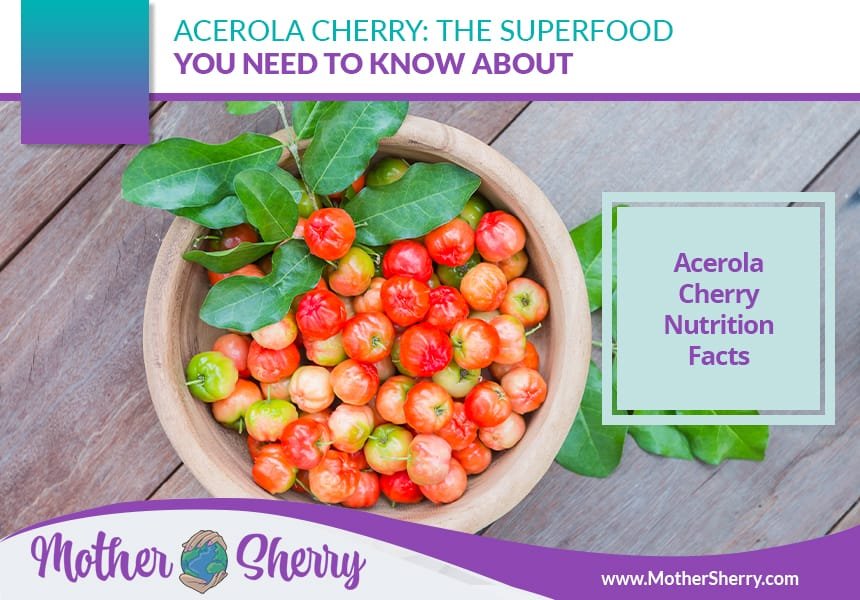
Acerola Cherry Nutrition Facts

Acerola cherries, also known as West Indian cherry or Barbados cherry, are a powerhouse of nutrition. These small red fruits are packed with vitamin C, a single acerola cherry contains around 650% of your daily recommended intake. They contain more vitamin C than even oranges or lemons. In addition to vitamin C, acerola cherries also contain vitamins A and B, including carotenoids, thiamine, riboflavin, and niacin.

They additionally provide mineral compounds, such as calcium, phosphorous, iron, and potassium. Acerola cherries can be eaten raw or used in juices and jams. They have a sweet-sour flavor that pairs well with other fruits in smoothies and salads. So the next time you’re looking for a boost of immune-supporting vitamin C, grab some acerola cherries for a tasty and nutritious snack. Here are a few acerola cherry recipes to try.

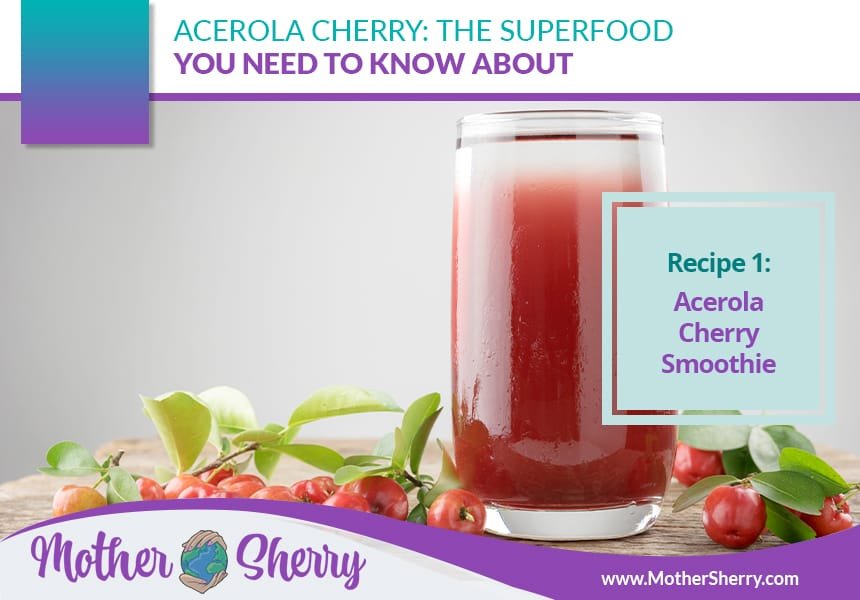
1Acerola Cherry Smoothie

Ingredients:

  • 1 cup acerola cherry juice
  • 1 banana
  • 1 cup frozen strawberries
  • 1 cup ice cubes

Instructions:

  1. Add all ingredients to a blender and blend until smooth.
  2. Pour into a glass and enjoy!

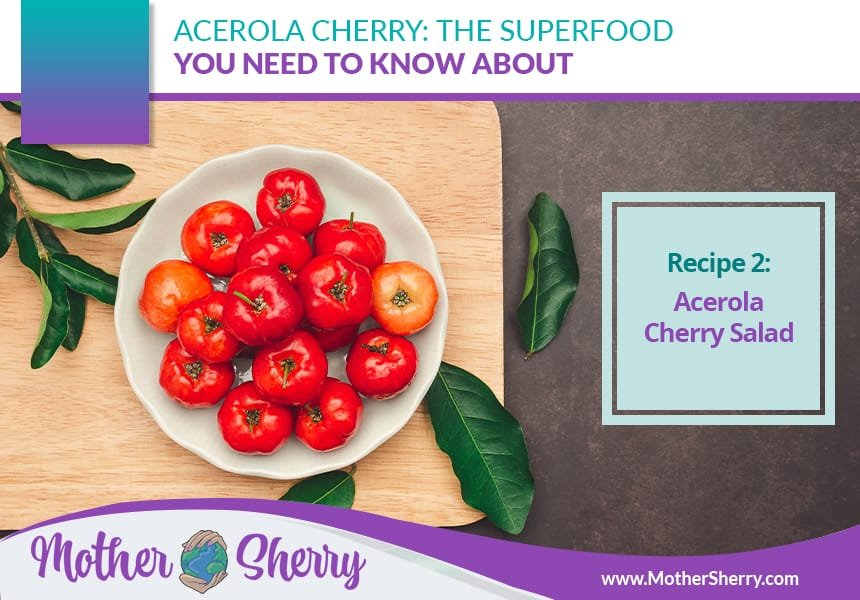
2Acerola Cherry Salad

Ingredients:

  • 2 cups mixed greens
  • 1/2 cup diced red onion
  • 1/4 cup diced celery
  • 1/4 cup diced green bell pepper
  • 1/4 cup diced yellow bell pepper
  • 1/4 cup diced orange bell pepper
  • 1/4 cup diced grape tomatoes
  • 1/4 cup chopped fresh parsley
  • 1/4 cup crumbled feta cheese
  • 3 tablespoons acerola cherry vinaigrette dressing (recipe follows)

Instructions:

  1. In a large salad bowl, combine the mixed greens, red onion, celery, bell peppers, tomatoes, parsley, and feta cheese.
  2. Drizzle with the vinaigrette dressing and toss to coat.
  3. Serve immediately.

3Acerola Cherry Cocktail

Ingredients:

  • 1 oz vodka
  • 1 oz acerola cherry juice
  • 1 oz cranberry juice

Instructions:

  1. Add all ingredients to a shaker filled with ice.
  2. Shake well and strain into a chilled glass. Enjoy!

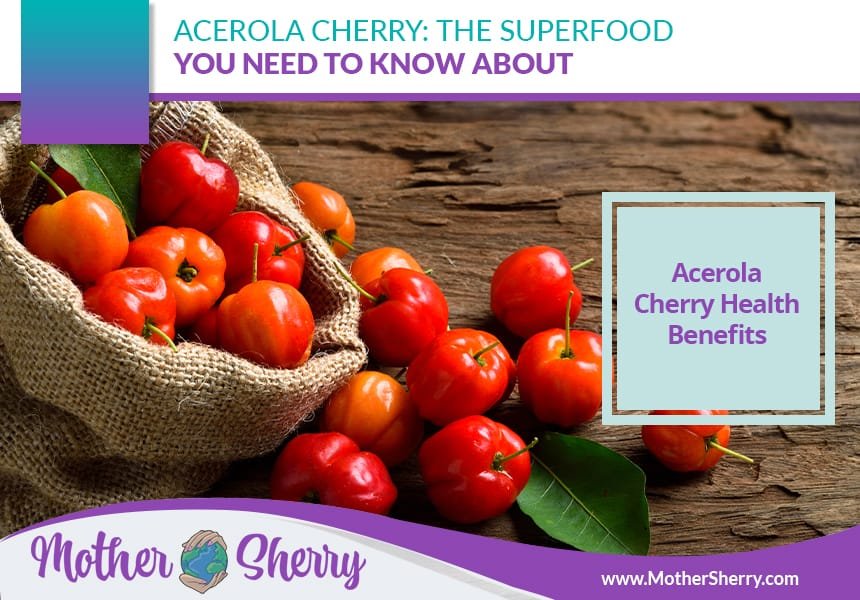
Acerola Cherry Health Benefits

Acerola cherries, also known as Barbados cherries, are a powerhouse of nutrients and vitamins. These bright red fruits are rich in vitamin C, providing even more than oranges and lemons. Just one acerola cherry contains about 30 to 60 mg of vitamin C, which is over half of the recommended daily intake for adults. Other essential vitamins and minerals present in acerola cherries include vitamin A, thiamine, niacin, riboflavin, calcium, phosphorus, and iron.

This diverse range of nutrients can have many health benefits. Vitamin C boosts the immune system and aids collagen production for healthy skin. Vitamin A helps maintain good vision and supports the growth and development of cells. The various minerals found in acerola cherries also support bone health and digestion.

Additionally, some research suggests that acerola cherry extract may help lower cholesterol levels and improve heart health. While these tangy fruits are not always easy to find fresh, they can be consumed in the form of juice or supplement capsules for convenient access to their nutritional benefits. Overall, incorporating acerola cherries into your diet can have numerous positive impacts on your overall health and well-being.

How To Use Acerola Cherry

The acerola cherry, also known as the Barbados cherry or West Indies cherry, is a small fruit that is packed with vitamin C. With up to 65 times more vitamin C than an orange, they can be a powerful addition to any diet. However, they can be difficult to find fresh and have a short shelf life, so many people opt for acerola cherry supplements instead.
These can be found in capsule or powder form and can easily be added to smoothies or juices. Some tips for using acerola cherry supplements. Start with a low dose and increase gradually to determine tolerance, avoid taking on an empty stomach as it may cause discomfort, and always consult with a healthcare professional before adding any new supplement to your routine. Acerola cherries are not only high in vitamin C but also contain other essential nutrients, such as carotenoids, flavonoids, and polyphenols. Consider incorporating this superfood into your daily routine for an extra boost of nutrition.

Acerola Cherry Dosage

The recommended daily dosage of acerola cherry varies depending on the form in which it is consumed. For dried acerola cherry powder, a daily dosage of 500-1000 mg is generally suggested. If consuming acerola cherry extract, a daily dose of 50-100 mg is recommended.

It is also vital to note that the vitamin C content in acerola cherry can vary greatly, with some sources containing as little as ten percent and others containing up to 60% or more. As such, it is important to choose a high-quality source of acerola cherry and carefully follow the manufacturer’s guidelines for dosage. However, it is unlikely that excessively high doses of acerola cherry will cause harm, as vitamin C is water soluble and any excess will simply be excreted by the body. Consult with a healthcare practitioner before making any significant changes to your diet or supplement regimen.

Acerola Cherry Risks And Side Effects

As with any natural supplement, it is vital to be aware of potential risks and side effects before consuming acerola cherries. While they are generally considered safe, those with already low blood pressure may want to exercise caution, as acerola cherry can lower blood pressure even further. In addition, those taking certain anti-cancer medications should also avoid acerola cherry, as it may interfere with the effectiveness of the medicine.

Those with diabetes should also consult their physician before using acerola cherry, as it can potentially lower blood sugar levels. It is always best to discuss any new supplement with a healthcare professional before incorporating it into your routine. That said, for most individuals without underlying health conditions, acerola cherries can provide a boost of vitamin C and other nutrients without significant side effects. However, as with any supplement or medication, be sure to monitor your body and discontinue use if you experience any undesirable symptoms. Overall, the potential benefits of acerola cherry consumption likely outweigh the risks for most individuals, but it is important to take precautions and use caution when adding this or any new substance to your diet.

When it comes to superfoods, acerola cherry is one you don’t want to miss. With its high concentration of vitamin C and other essential nutrients, this small fruit packs a big punch. While fresh acerola cherries can be difficult to find, supplements are widely available and easy to add to your daily routine. Keep in mind the potential risks and side effects, and always consult with a healthcare professional before adding any new supplement to your diet. However, for most people, the benefits of acerola cherry consumption will outweigh any risks. So why not give this superfood a try? Your body will thank you!

Lipase And Its Health Benefits

What Lipase Is

Lipase is an enzyme that catalyzes the breakdown of lipids into fatty acids and glycerol. Lipases are found in the pancreas, liver, and stomach. They are also present in tears, saliva, and breast milk.

The primary role of lipases is to digest dietary fats into fatty acids and glycerol. These products are then absorbed into the bloodstream and transported to the cells where they are used for energy or stored as fat. Lipases also play a role in the biosynthesis of cholesterol and other lipids.

There are several types of lipases, classified according to their substrate specificity. The most common types are pancreatic lipase, gastric lipase, and hepatic lipase. Pancreatic lipase is secreted by the pancreas and is responsible for the digestion of fats in the small intestine. Gastric lipase is secreted by the stomach and is responsible for the digestion of fats in the stomach and small intestine. Hepatic lipase is secreted by the liver and is responsible for the digestion of fats in the liver and small intestine.

Lipase Health Benefits

Lipases are enzymes that catalyze the hydrolysis of triglycerides into free fatty acids and glycerol. Lipases have many health benefits. These include the items listed below.

1Breaking Down Dietary Fat

Lipases help break down dietary fat into smaller components that can be more easily absorbed and utilized by the body. This helps support digestion. It also improves the absorption of nutrients from food.

2Burning Stored Fat

Lipases also help burn stored fat, leading to weight loss. They do this by converting stored triglycerides into free fatty acids. The body can then use these for energy.

3Reducing Cholesterol Levels

One of the main functions of lipases is to reduce cholesterol levels. They do this by breaking down cholesterol particles into smaller components that are easier to excrete from the body. This can help reduce the risk of heart disease and other cardiovascular problems.

4Can Fight Inflammation

Lipases can also help fight inflammation. They do this by breaking down pro-inflammatory compounds in the body. This can help reduce the risk of diseases, such as cancer, arthritis, and others.

5Better Absorption Of Nutrients From Food

Lipases help break down dietary fat into smaller components. These can be more easily absorbed and utilized by the body. This helps improve digestion and absorption of nutrients from food.

6Increased Energy Levels

Lipases help convert stored triglycerides into free fatty acids. The body can then use these for energy. This leads to increased energy levels and improved overall health.

7Reduced Risk Of Chronic Diseases

Lipases play a role in reducing cholesterol levels. They can also help in fighting inflammation and breaking down pro-inflammatory compounds in the body. This helps reduce the risk of chronic diseases, such as cancer, arthritis, heart disease, and others.

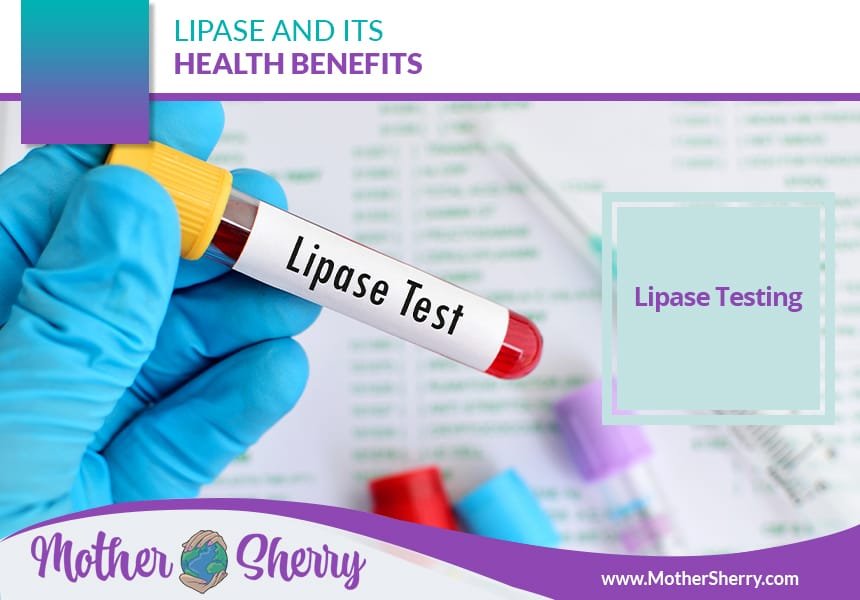
Lipase Testing

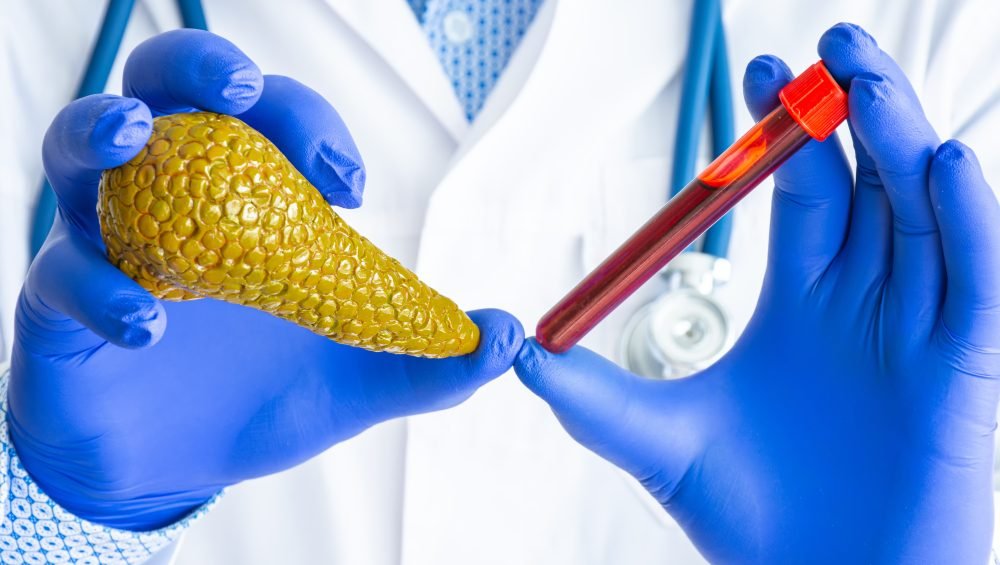
Getting your lipase levels tested is a simple and easy process. A blood sample will be taken and sent to a lab for analysis. The results of the test will be used to determine if you have an enzyme deficiency or if your lipase levels are within the normal range.

If you have an enzyme deficiency, treatment will focus on replacing the missing enzyme. This can be done through dietary supplements or by receiving injections of the enzyme. If your lipase levels are within the normal range, no treatment is necessary. This test is used to help diagnose and monitor problems with the pancreas, gallbladder, and liver. The lipase test measures the amount of this enzyme in the blood or a sample of urine.

Normal Values:

  • Blood: Less than 190 units per liter
  • Urine: Less than 1,000 units per day
  • Abnormal Values:

  • Blood: More than 190 units per liter
  • Urine: More than 1,000 units per day
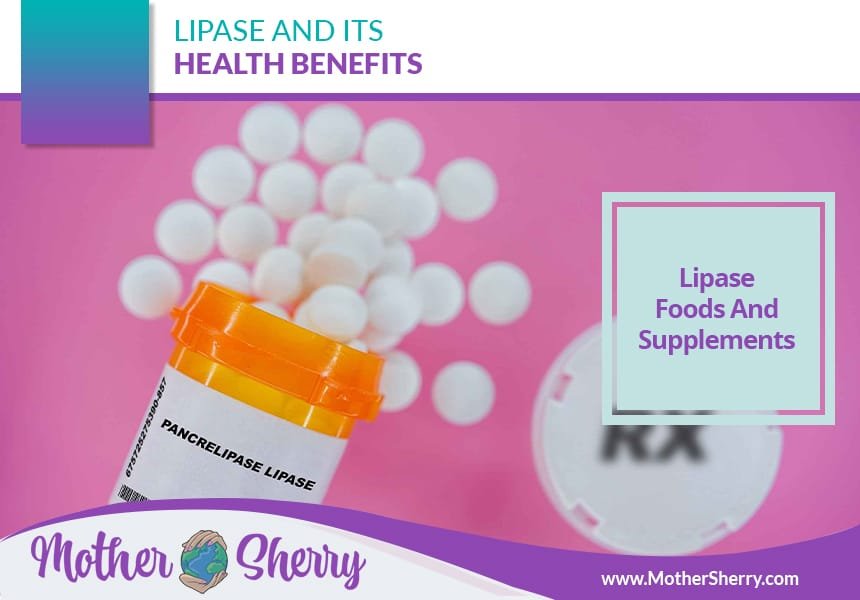
  • Lipase Foods And Supplements

    Lipase is a type of enzyme that helps the body break down and digest fats. It is produced naturally in the body but can also be taken as a dietary supplement. Lipase supplements are available in both pill and powder form and can be found at most health food stores.

    Lipase supplements are often recommended for people who have difficulty digesting fats, such as those with conditions like Crohn’s disease or pancreatitis. They can also be helpful for people who are trying to lose weight. They can help the body burn more calories from fat.

    When taking a lipase supplement, it is important to follow the dosage instructions carefully. Exceeding the recommended dose can cause unpleasant side effects, like diarrhea and stomach cramps. Lipase supplements should also not be taken by pregnant or breastfeeding women, as they may pose risks to the baby.

    Lipase supplements are available in tablet or capsule form and are sometimes added to foods to help with digestion. People with low levels of lipase may benefit from taking a lipase supplement. Lipase supplements can help improve digestion and may help reduce feelings of bloating and gas.

    Lipase foods are those that contain enzymes that help break down fats. This means that when you eat them, they will help your body better digest and process the fat in your food. This can be helpful for people who have difficulty digesting fat as well as for those who are trying to lose weight. There are several different lipase foods that you can eat. Some of the most common include the items listed below.

    -Olive oil: Olive oil is a good source of healthy fats as well as lipase enzymes. When you consume olive oil, it will help break down the fat in your food. This makes it easier for your body to digest.

    -Butter: Butter is another great source of lipase enzymes. Like olive oil, it helps break down the fat in your food. This makes it easier to digest and absorb.

    -Garlic: Garlic is a naturally occurring source of lipase enzymes. When you eat garlic, it will help break down the fat in your food and improve digestion. Garlic also has a host of other health benefits, so it is a suitable choice whether or not you are looking for lipase food.

    -Grapefruit: Grapefruit is another great source of lipase enzymes. It helps break down the fat in your food and improve digestion. Additionally, grapefruit is a great source of vitamin C and fiber, both of which are vital for overall health.

    -Pineapple: Pineapple is a fine source of lipase. It helps break down the fat in your food and improve digestion. Additionally, pineapple is a great source of vitamin C and fiber, both of which are important for overall health.

    -Tomato: Tomato is a fine source of lipase enzymes. It helps break down the fat in your food and improve digestion. Additionally, tomatoes are a fine source of lycopene, which is a powerful antioxidant.

    -Apple: Apple is a good source of lipase enzymes. It helps break down the fat in your food and improve digestion. Additionally, apples are a fine source of fiber, which can help regulate blood sugar levels and promote weight loss.

    -Celery: Celery is a good source of lipase enzymes. It helps break down the fat in your food and improve digestion. Additionally, celery is a good source of fiber and water, both of which can help keep you hydrated and regulate your appetite.

    Lipase Side Effects And Drug Interactions

    Lipase is a digestive enzyme that is produced in the pancreas. It helps break down fats into fatty acids and glycerol. Lipase side effects can include nausea, vomiting, diarrhea, and abdominal pain.

    Lipase can also interact with certain medications. It can increase the levels of some medications in the blood, which can lead to adverse effects. Some of the medications that can interact with lipase include the items listed below.

    -Statins, which are used to lower cholesterol levels

    -Digoxin, a medication used to treat heart failure

    -Theophylline, a medication used to treat asthma

    -Oral contraceptives

    -Phenytoin, a medication used to treat seizures

    If you are taking any of these medications, it is important to speak with your doctor before taking lipase supplements. Lipase can also interact with certain medical conditions. People with pancreatitis or other pancreas problems should avoid taking lipase supplements. Lipase can also make gallstones worse. If you have any concerns about taking lipase, it is best to speak with your doctor before starting supplementation.

    So there you have it! Improving the health of your digestive system with lipase comes with benefits, including better absorption of nutrients, weight loss, and reduced inflammation. Just be sure to speak with your doctor before starting any supplement, especially if you are taking medications or have a medical condition.

    6 Great Ways Vitamin A Benefits Health

    Did you know that vitamin A is required for good health? This potent vitamin has a variety of important advantages. Vitamin A is essential for more than just eye health. It’s a nutrient that has a vital role in a variety of aspects of your health. We’ll go over six health benefits of vitamin A in this article.

    Vitamin A is a crucial vitamin for your health. It’s a vitamin that is needed for human growth and development. Vitamin A has several health advantages, including eye protection, immune system strengthening, growth, and reproduction promotion. After you’ve finished reading this article, you’ll be ready to start taking advantage of these vitamin A health benefits.

    1Protects Your Eyes

    Vitamin A’s most important health advantages are that it helps protect your eyesight. Vitamin A insufficiency can lead to blindness; therefore, you should make sure that you get enough of this vitamin. The retina in your eye is high in vitamin A and lutein, which are both necessary for preserving your vision.

    Vitamin A is a fat-soluble vitamin that has antioxidant, anti-inflammatory, and antihistamine activities. It can aid in the maintenance of your eyesight, particularly in low-light situations. The formation of certain pigments is required for adequate retinal functioning; without vitamin A, pigment synthesis comes to a halt.

    2Promotes Growth And Reproduction

    Vitamin A has been shown to enhance growth and reproduction in various animal studies. Vitamin A is required for a fetus’s optimal development. It is also necessary for maintaining a healthy pregnancy. Vitamin A aids in the prevention of birth defects, so expectant moms should consume enough of it.

    Vitamin A has a dual role in pregnancy. Not only does it aid in cell development inside the womb, but it also aids in bone, skin, and soft tissue formation after delivery. A 2013 study from the University of Toronto discovered that postmenopausal women who took a daily supplement had greater bone mineral density. Another research found that people who were vitamin A deficient had an increased risk of osteoporosis.

    3Helps Maintain Healthy Bones

    Vitamin A also aids in the maintenance of healthy bones. This vitamin is necessary for the formation and maintenance of bone tissue. Vitamin A also helps prevent osteoporosis. Osteoporosis is a disease in which the bones become brittle and fragile. It affects both men and women, although it mostly affects women over 50 years old.

    Vitamin A has several advantages for bone health. It aids in the absorption of calcium, which is necessary for strong bones. It also helps produce collagen, a protein that contributes to bone strength. Vitamin A also stimulates new bone formation and aids in the healing of damaged bone tissue.

    4Lowers The Risk Of Certain Cancers

    Vitamin A has been found to lower the incidence of several malignancies. This was discovered with scientific studies. This substance has been proven to reduce the chances of lung cancer, bladder cancer, and skin cancer.

    Vitamin A is derived from beta-carotene. It can help defend you from UV damage. This is what lowers the risk of skin cancer.

    5Has Protective Antioxidant Effects

    Vitamin A has antioxidant effects, which means that it helps your cells avoid harm. This vitamin can aid in the prevention of free radicals, unstable molecules that can inflict cellular damage. Free radicals are considered to contribute to the development of several diseases, such as cancer and heart disease.

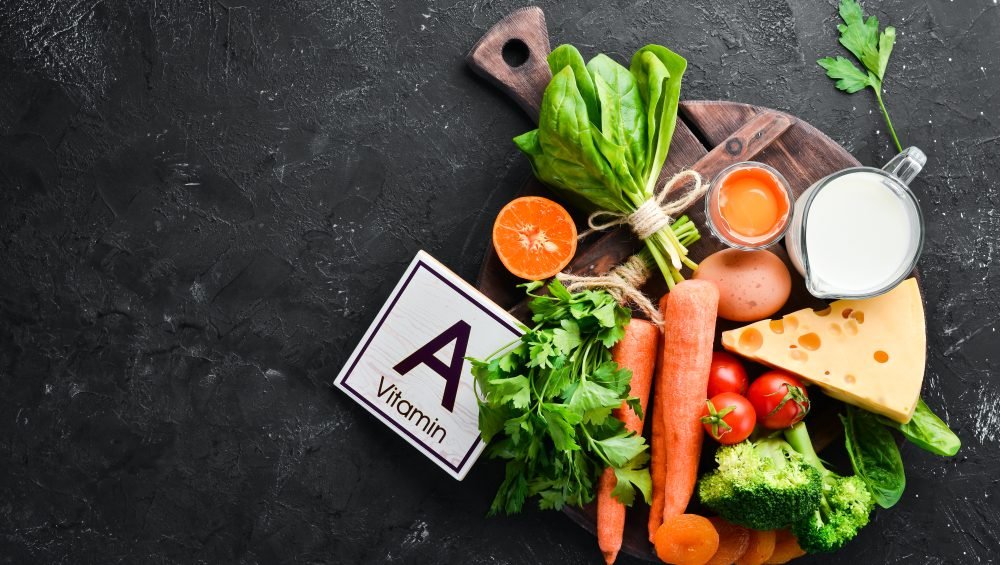
    Vitamin A is also a good source of carotenoids, which are antioxidants that can aid in the maintenance of your eyesight. Carotenoids are present in foods like sweet potatoes, carrots, spinach, and kale at high levels. To receive enough vitamin A from food alone, you will need to consume these meals daily.

    6Supports Your Immune System

    Vitamin A is essential for the maintenance of a healthy immune system. It aids in the treatment of infections and illnesses. This is accomplished by assisting in the formation of white blood cells, which are a vital component of your immune system. White blood cells aid in the prevention of infection and disease. As a result, if you want to remain healthy, you should incorporate vitamin A into your diet.

    You could be less vulnerable to infections if you eat a diet high in vitamin A. Vitamin A is involved with the immune system’s regulation; it may also aid in the prevention of skin, mouth, gut, and urinary tract infections by assisting in the control of the immune system. When your immune system is healthy, it creates a barrier. Vitamin A, in essence, provides your immune system four times the protection that it receives from any other substance. This is because vitamin A can aid both innate and adaptive immunity.

    Vitamin A is derived from beta-carotene, a yellowish pigment found in vegetables and fruit; vitamin A is generated from beta-carotene in the body. Dark green leafy vegetables, carrots, sweet potatoes, mango, and dried apricots may provide adequate amounts of beta-carotene to help prevent cancer. Vitamin A can also assist to defend you from UV damage, which is a significant risk factor for skin cancer; this vitamin aids with the development and maintenance of healthy skin tissue. It also aids with the regeneration of damaged cells. We’ve covered seven health advantages of vitamin A in this article.

    Vitamin A is required for good health; vitamin A has several significant advantages. Vitamin A is not simply used to preserve your eyesight; it’s a nutrient that has an important role in a variety of areas of life, including nutrition and development. Humans require vitamin A to grow and develop properly. Vitamin A has a long list of health benefits, such as protecting the eyes and strengthening the immune system. You now understand how essential it is to include vitamin A in your diet.

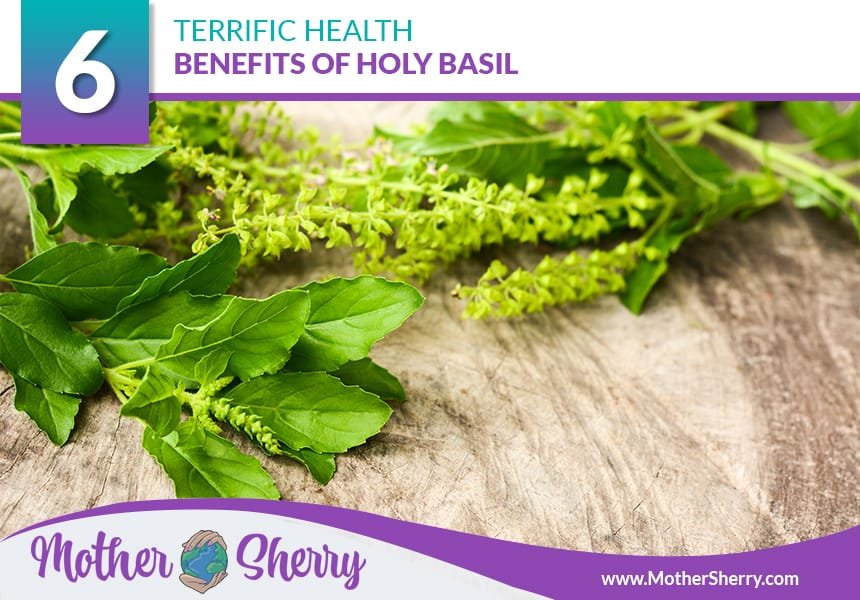
    6 Terrific Health Benefits Of Holy Basil

    Many plants can help you achieve better health. Holy basil (also known as tulsi), which has been employed in Eastern culture for millennia to promote good health and prevent illness, is one of the most well-known natural medicines. Holy basil is considered a sacred plant in Hinduism and Buddhism and a medicinal herb that promotes peace, joy, and happiness while also protecting people from stress-related sickness.

    We’ll look at six advantages of holy basil in this article. First, we will discuss how holy basil balances cortisol levels and regulates blood sugar levels. Next, we’ll talk about detoxifying the body and reducing stress. Then, we will cover how it supports heart health and wrap things up with boosting the immune system. Once you’ve finished reading, you’ll be able to draw from the holy basil’s important health advantages.

    1Balances Cortisol Levels

    Holy basil protects the body from stress. The herb has been observed to aid with the proper balance of cortisol levels, which can prevent the negative effects of chronic stress on the body. Holy basil may also help with mood and cognitive performance when you’re under pressure.

    Holy basil is a healing plant that protects the body. Holy basil may be used to help you manage stress. It’s an excellent substitute for people who don’t want to take prescription drugs since it has no unwanted side effects.

    2Regulates Blood Sugar Levels

    In animal and lab tests, holy basil has been found to improve blood sugar levels. The plant includes chemicals that aid in the development of insulin sensitivity and lowering blood sugar levels. People dealing with diabetes or prediabetes may find it helpful.

    According to one research, holy basil helps control blood sugar levels as well as minimize blood sugar increases after eating a high-carbohydrate meal. Holy basil also helps lessen insulin resistance in the body. In diabetic rats, holy basil lowered fasting cholesterol and improved blood sugar levels.

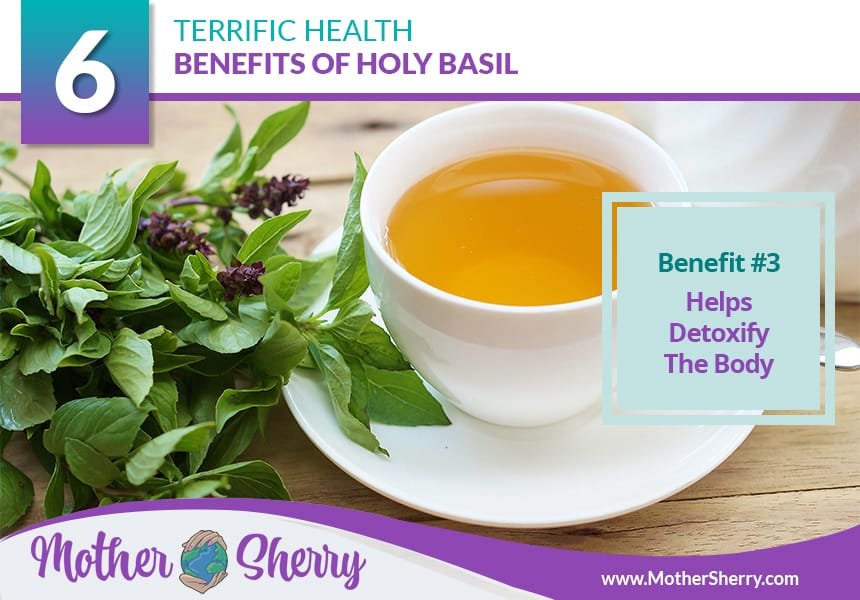
    3Helps Detoxify The Body

    Holy basil helps the body detoxify by promoting liver function and blood cleansing. The herb includes chemicals that assist with the elimination of poisons from the body. This can assist in minimizing cell damage and inflammation throughout the body. Holy basil also has a diuretic impact, which aids with the removal of toxins and waste from your kidneys.

    Holy basil is a plant that has been used for centuries as an inebriant and medicine. It may help protect the cells from harm caused by pollutants in the environment. Holy basil also aids with the function of the liver and cleanses the blood. This can help reduce inflammation throughout the body by reducing irritation.

    4It Reduces Stress

    Holy basil is a natural stress reliever. The herb has been found to aid with the reduction of cortisol levels, which can protect against the harmful effects of long-term stress on the body. Holy basil may also assist with mood and cognitive function during stressful situations.

    It protects against the damaging effects of stress on the body. This is one of holy basil’s primary benefits. It achieves this by lowering cortisol levels and enhancing mood and cognitive performance during stressful circumstances.

    5Supports Heart Health

    Holy basil contains anti-inflammatory and antioxidant properties, which may help prevent heart damage caused by free radicals. Holy basil has also been found in studies to help reduce blood pressure and cholesterol levels. Both are crucial for maintaining a healthy heart.

    Holy basil, often known as tulsi, is a herb with a long history of usage in Ayurvedic medicine. Holy basil may help prevent heart disease and stroke by lowering blood pressure, improving cholesterol levels, slowing tumor growth, and reducing inflammation. Holy basil is also a potent antioxidant, which means that it can neutralize free radicals in the body and protect against cell damage that they cause.

    6It Boosts Immunity

    It has antibacterial and antiviral effects. They assist in improving immunity and preventing infection. The herb is effective against a variety of viruses and bacteria, including Salmonella, Staphylococcus aureus, Streptococci, Klebsiella pneumoniae, Escherichia coli, meningitis virus, HIV-I (AIDS virus), influenza virus type A/Hong Kong/156/97(HINl), and herpes simplex virus types I & II.

    Holy basil is an adaptogen. Adaptogens assist the body in maintaining equilibrium under physical or mental stress by strengthening homeostasis in the system. Holy basil promotes immunity while also reducing inflammation, which can cause a variety of infections. Holy basil’s antioxidants may also help protect against free radical damage induced by environmental factors, like pollution and radiation exposure.

    If you’re looking for natural treatments to enhance your health, several plants might be beneficial. Holy basil (or tulsi), which has been used in Hindu tradition for millennia, is one of the most well-known. It is supposed to ward off stress-induced sickness by inducing peace, pleasure, and happiness.

    We covered six advantages of holy basil in this article. First, we discussed how holy basil balances cortisol levels and regulates blood sugar levels. Next, we talked about detoxifying the body and reducing stress. Then, we covered how it supports heart health and wrapped things up with boosting the immune system. Now that you know what you’ve been reading, you may take advantage of holy basil’s outstanding health advantages.

    7 Tips For Your Lymphatic System

    The lymphatic system helps maintain fluid balance in the body by collecting excess fluid and particulate matter from tissues and depositing them in the bloodstream. Many people are unaware of the importance and work of the lymphatic system. In this article, we will dive right into the ins and outs of the lymphatic system and how keeping it moving is a vital part of the proper function of your immune system and your overall health.

    First, we will look into how you can cleanse the lymphatic system. Next, we will take a look at the lymphatic system and its purpose. Then, we will cover a congested lymphatic system and how the system works. Finally, we will discuss lymphatic draining and wrap up with lymphatic-friendly foods. Once you have finished reading, you will be able to claim better overall health by detoxing your lymphatic system.

    1How To Cleanse The Lymphatic System

    Detoxification and some simple life strategies can help remove many toxins that cause this congestion. Deep breathing is beneficial because your rib cage is an essential lymphatic pump for healthy lymphatic movement, as a major cluster of your lymphatic system is in the upper chest neck area. Staying fully hydrated is crucial as well. Another easy and effective access to the lymphatic system is the skin, which is one reason why dry brushing and infrared light therapy can be so effective as a detox method.

    Using infrared light therapy, the deep penetration of heat releases toxins from the fat layers beneath the skin through sweat; it also helps your body eliminate toxins from your internal organs. Once the first round of toxins has been eliminated, toxins from the organs move into a layer of tissue under the skin and are then eliminated through sweat. There are other ways to help your lymphatic system work at its best, and detoxification is one critical element. You will notice constant lymphatic changes as you move through the healing process from stabilization to detoxification and then to fortification. Lymphatic drainage is something that will improve as you go.

    2The Lymphatic System

    Your lymphatic system is a subsystem of the circulatory system and immune system, and it is critical to your immune system, unlike all others. It protects you from illness and harmful diseases causing inflammation by supplying disease-fighting cells called lymphocytes. The lymphatic system is a part of the vascular system, a network of vessels, ducts, nodes, and other tissues that work together. The major components of the lymph system are located in the bone marrow, spleen, thymus gland, lymph nodes, and tonsils. In addition, the heart, lungs, intestines, liver, and skin also contain lymphatic tissue; it is this intricate system that processes the toxins and excessive fats before delivering them to the liver and kidneys to be filtered before expulsion.

    Lymph nodes within the lymphatic system are amazing little filtration systems that function very similarly to a kidney. Most of your lymph nodes are in clusters in the neck, armpit, and groin areas; they’re also found along the lymphatic pathways in the chest, abdomen, and pelvis, where they filter the blood. They are a resident of the vast majority of your immune cells (T cells and neutrophils). They can become a location for sequestering cancer cells to be destroyed by your white blood cells in a healthy functioning immune system; however, when the environment inside the body is toxic and if the pH is off, cancer will take up residence inside the nodes. When the primary drain, the colon, is plugged up, the lymphatic system can’t drain, toxins get stuck, and the immune system suffers.

    3Purpose Of The Lymphatic System

    The lymphatic system is known as the garbage route, bringing unwanted irritants out of your tissues through the drainage system and your elimination outlets. It is responsible for draining all the waste and toxic materials away from your organs and tissues throughout your entire body, including the brain. Unfortunately, when it comes to detoxification, it’s common for most doctors not even to mention the lymphatic system, which is tragic.

    The lymphatic vessels are open-ended and reach out into your tissues to collect the lymphatic fluid that washes through your tissues, cleaning up toxins and cell debris. The nodes are filtering centers where bacteria and other infections can be addressed before the lymph fluid continues to the liver and recirculates to clean more tissues. You have about two liters of this fluid that circulates through your tissues to keep you healthy and eliminate toxins, and you have about 600 lymph nodes throughout your body that take care of infections of all kinds.

    4How Congested Lymph System Happens

    A congested lymphatic system can affect your entire body and is caused by many different factors; knowing the signs of a congested lymphatic system is key to feeling better. Did you know that chronic stress is one of the leading causes of chronic health issues and lymph congestion? That is because when you are under stress, your body creates stress-fighting hormones, which results in free radical waste products floating throughout the body, opening the door to health issues. This list encompasses the majority of common symptoms: fatigue, weight gain, headaches, bloating, stiffness, cold hands and feet, water retention, brain fog, swollen glands, itchy and dry skin, muscle and joint pain, cellulite, colds, sore throats, ear issues, and chronic sinusitis. Did we mention skin problems?

    There are approximately 100 to 150 lymph nodes surrounding the colon tissue, and emptying your colon stimulates the drainage of your lymphatic system by creating a void in the system. By creating a “vacuum” of sorts, the lymphatic system will begin to drain and flow properly; drainage is essential for the healing of any chronic illness. Lymph nodes serve as filters of this fluid along the way, removing bacteria, cancer, viruses, and other harmful substances from the fluid. If the lymphatic system cannot remove the excess fluid via the bloodstream, this results in swelling, known as edema; edema is most common in the feet, hands, legs, arms, and ankles. In addition, a congested lymphatic system and edema are also brought on by poor nutrition, imbalanced electrolytes, and even injury.

    5How The Lymphatic System Works

    The lymphatic system helps maintain fluid balance in the body by collecting excess fluid and particulate matter from the tissues and depositing them in the bloodstream. The lymph fluid is 95% water and is a gel-like fluid that thickens when cooled or stagnant. It is made up of a clear, watery fluid that contains proteins, salts, and white blood cells but mostly lymphocytes. The MTHFR gene mutation is often caused by the inability to detox these fluids, which causes toxin backup in the cells and the failure to utilize or process nutrients taken into the body.

    Lymphatic stimulation or circulation is critical for optimal health because it is essentially your body’s inner drainage system. Unlike the circulatory system, where the heart acts as a pump, this system has no pump and is not self-stimulating or self-regulating. The lymphatic system is unique because it needs manual stimulation and relies entirely on your conscious movement to work optimally. This is why we recommend daily exercises like dry brushing, self-massage, saunas, red light therapy, exercise, rebounding, and other forms of lymphatic stimulation. Without these practices, the lymphatic system cannot flow and function properly, and you will experience swollen nodules, sore muscles, skin rashes, or other health problems.

    The lymphatic system also serves as the sewer system for your body, and when you begin to detoxify your digestive system, it all goes through your colon. It absorbs not only fat-soluble nutrients and carries them to the cells in your body but also gathers excess fluid and waste (much like the water and sewer system in your home) from cells. This fluid is transported upward to the neck, where it meets the subclavian vein (a large paired, deep vein that extends along each side of the neck), and liquid is returned to the circulatory system.

    6About Lymphatic Draining

    When it comes to lymphatic drainage, initially, the primary remedies to healing are physical movement (walking, exercise, dancing, or jumping on a mini-trampoline), digestive enzymes, herbal colon cleansers, such as digestive detox, fulvic acid, lymphatic-friendly foods, sauna, massage therapy, detox, proper sleep, avoiding restrictive clothing, and alternating shower temperatures. Your lymphatic system is an extensive and complex system that requires special attention when detoxing. You can easily cleanse your lymphatic system by shocking it with varying temperatures in the shower. For example, while taking a hot shower, suddenly switch the hot water off and let the cold water wash over you. Your blood vessels will dilate in the warmth and then constrict in the cold, creating a “pump” to help flush out this system.

    You can also implement jumping on a mini-trampoline. Rebound exercise is wonderful for cleansing the lymphatic system. Movement turns on the garbage disposal – without movement that forces the lymphatic fluid to drain, toxins collect stagnantly in the lymph instead of leaving the body.

    Other types of exercise, such as walking, weight lifting, or swimming, will also help flush toxins in the lymph. Rebounding is the most effective movement therapy for increasing lymph flow and draining toxins from the body. Many natural health practitioners recommend daily rebounding as a gentle detox technique. Due to the up-down movement, lymphatic fluid is forced to flow and flush toxins. Therefore, your detox pathways must be open so the toxins can get out.

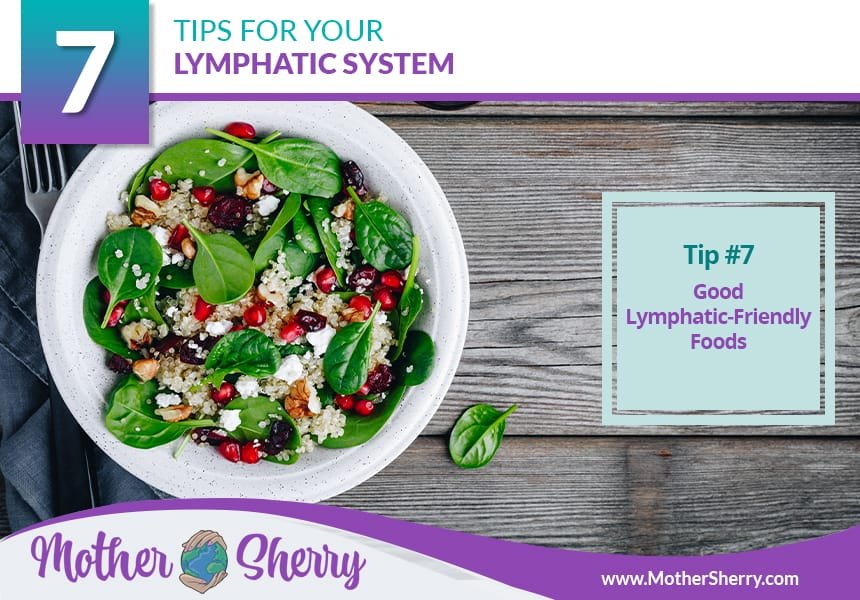
    7Good Lymphatic-Friendly Foods

    Choosing lymphatic-friendly foods as often as possible will also help keep your lymphatic system in tip-top shape. Examples are cranberries, deep leafy green veggies, turmeric, ginger, cinnamon, black pepper, nuts and seeds, and citrus (lemon, lime, oranges). As the lymphatic system drains and clears toxins away, your vital organs and tissues can eliminate the toxic buildup within the depths of their cells.

    When the lymphatic system drains, as a result of the bowels becoming more active, you will need to support the body’s primary filtration systems – the liver and kidneys. Once the lymphatic system begins draining into the circulatory system, the amount of waste in the bloodstream increases, making more work for the liver and kidneys. As the liver and kidneys drain and cleanse themselves, your bloodstream becomes cleaner and less pro-inflammatory. Being mindful of the issues and having the tools are the first steps to optimal health. If your body’s natural detoxification system is not working properly or has other health issues, you may want to start with a detox program; however, sometimes, just a good house cleaning can set you on a path to much better health.

    Maintaining fluid balance in the body by collecting excess fluid and particulate matter from the tissues and depositing them in the bloodstream is the job of your body’s lymphatic system. The lymphatic system is a system most people know very little about. In this article, we dove right into the ins and outs of the lymphatic system and how keeping it moving is a vital part of the proper function of your immune system and your overall health.

    First, we looked at how you can cleanse the lymphatic system. Next, we took a look at the lymphatic system and its purpose. Then, we covered a congested lymphatic system and how the system works. Finally, we discussed lymphatic draining and wrapped things up with lymphatic-friendly foods. Now that you have finished reading, you can claim better overall health by detoxing your lymphatic system.

    *These statements have not been evaluated by the Food and Drug Administration. These products are not intended to diagnose, treat, cure, or prevent any disease. If you are pregnant, nursing, taking medication, or have a medical condition, consult your healthcare provider before using these products.

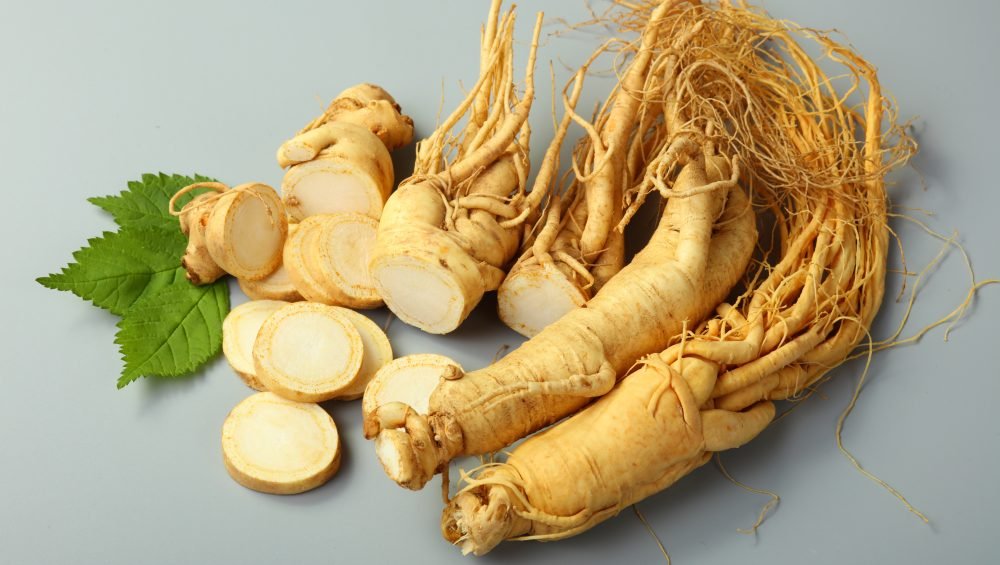
    6 Incredible Ways Ginseng Benefits Health

    Panax ginseng or herbal extract ginseng is a well-known natural cure. It’s still widely used today to treat tiredness, stress, and even cancer! Ginseng has immunomodulating qualities that can help your body fight infections.

    First, you’ll learn how ginseng lowers blood pressure and fights cancer. Next, we’ll talk about how it naturally relieves stress and reduces inflammation. Then, we will take a look at boosting energy levels and wrap up with aiding digestion. You’ll be able to take advantage of the numerous health benefits of ginseng.

    1Lowers Blood Pressure

    High blood pressure is a major health problem in the United States. It has been linked to heart disease, stroke, and even death. Ginseng has been proven to help reduce blood pressure by relaxing blood vessel walls and vascular muscles. This allows your heart to pump more blood throughout your body easier.

    Ginseng is a wonderful herb for those who have high blood pressure. Ginseng relaxes the arteries and vascular muscles, making it easier for your heart to pump blood throughout your body. If you’re having trouble with high blood pressure or elevated blood pressure readings, this will help you lower them.

    2It Fights Cancer

    Research suggests that ginseng may have anti-cancer qualities by inhibiting cancer cell development. Ginseng inhibits the nuclear factor kappa B (NF-kB) activation, a protein complex that regulates cell growth and survival. If your body is experiencing an abnormally high level of activity, NF-kB is a protein complex that controls cell growth.

    Taking supplements might help eliminate cancer-causing chemicals, such as cell division, allowing your immune system to function properly. Ginseng can also help with bacterial or other infection-induced inflammation. It makes it simpler for antibiotics and anti-inflammatory medications to operate.

    3Naturally Relieves Stress

    When you’re anxious, your body generates cortisol, a stress hormone that can have serious health consequences. Ginseng helps lower cortisol levels in your circulation. This might help reduce your blood pressure while making you feel better overall.

    Excess cortisol is harmful to your health; therefore, it’s important to discover a way to eliminate it. Ginseng is one such alternative. For a soothing approach to reducing stress, enjoy ginseng tea.

    4It Reduces Inflammation

    Inflammation is an immunological reaction to injury or infection. It may be beneficial in the short term, but if it persists, it can lead to health problems such as arthritis, heart disease, and even cancer. Ginseng has been found to lower inflammation by blocking inflammatory cytokine production.

    It also means that your immune system will not be overactivated by minor injuries or illnesses. Ginseng may assist you if you’re having difficulty with a lot of inflammation. The herb has been found to lower the production of inflammatory cytokines, which can help keep your immune system from overreacting and causing more damage than good.

    5Boosts Energy Levels

    Ginseng is powerful daytime energy and motivation cure. Ginseng stimulates the adrenal glands, causing increased amounts of excitatory hormones, such as adrenaline and cortisol. These chemicals provide us with greater vitality all over our bodies rather than just on our arms and legs. This implies that we’ll wake up feeling revitalized without having to drink coffee to get it.

    Ginseng is a well-known herb for boosting adrenal function. It increases the production of stimulating hormones, like epinephrine and norepinephrine, in the body to help you think more clearly. It gives you more energy. Chinese herbalists have used ginseng for thousands of years to stimulate hormone production.

    6It Aids Digestion

    Ginseng can assist with the digestion of food if you have difficulties digesting it. The herb has been shown to enhance the formation of digestive enzymes and acids, like hydrochloric acid. These aid with the breakdown of food in your body.

    Ginseng can assist with digestion by promoting the synthesis of digestive enzymes and acids. It improves the production of digestive enzymes and acids, allowing your body to break down food more effectively so that it may be absorbed into your circulation. This will aid with the regularity of bowel motions while also alleviating symptoms caused by gastrointestinal issues.

    Ginseng is a centuries-old natural plant that has been utilized in traditional medicine for ages. It’s still used today to fight tiredness, stress, and even cancer, but it was banned from sale in the United States as a dietary supplement in 2015. Ginseng can help you live longer by boosting the body’s immune response. Ginseng root is a type of ginseng grown in the wild; it’s high in chemicals that improve the body’s resistance to illness. We’ve listed several great health advantages of ginseng for you in this article.

    First, you learned how ginseng lowers blood pressure and fights cancer. Next, we talked about how it naturally relieves stress and reduces inflammation. Then, we took a look at boosting energy levels and wrapped things up with aiding digestion. You now can make use of the excellent health benefits of ginseng.

    5 Medical Screenings You Should Get As You Age

    As you grow older, you should begin looking into medical screenings that are considered must-have tests for your age group. Those who are over fifty years old have to pay closer attention to blood pressure, cholesterol, and a large amount of other crucial functions of your body. Although some of these screenings may not be something you want to do, getting the right tests done can help catch problems early and lead to a longer and healthier life.

    In this article, we’ll discuss five of the most vital screenings that you should make sure to get when you’re getting older. First, we’ll discuss cholesterol screening and colonoscopy. Then, we’ll talk about getting a bone density test and mammogram. Finally, we’ll talk about getting a pap smear.

    1Cholesterol Screening

    One of the most important tests, a cholesterol screening, should not be omitted from a physical checkup. Men are more prone to high cholesterol, but studies show that women over the age of fifty tend to develop high cholesterol over the years. It can also be genetic, so make sure to take extra caution if there’s a history of it in your family.

    High cholesterol is one of the leading causes of heart attacks and strokes. This makes it one of the most essential tests on this list. As you grow older, make sure that your cholesterol levels are checked periodically.

    2Colonoscopy

    Getting a colonoscopy is never high on anyone’s to-do list, but it should be. A colonoscopy is a test often used to search for colon cancer in both men and women. Even if you don’t want to, it is a necessary test to schedule.

    It also allows for a doctor to see any subtle bleeding that may be occurring without your knowledge. For males, a colonoscopy can also alert their doctor if they have prostate cancer. It’s a very essential test and should be high on your priority list.

    3Bone Density Test

    As you age, your bones can weaken and begin to lose density. This is why you must take a bone density test as you grow older. This test is usually recommended for men and women who are over sixty, but if you’re at a higher risk, it may be needed before that age.

    One of the high-risk factors is osteoporosis, a condition where bones become brittle. When you have osteoporosis, you’re more likely to fracture or break bones, making a bone density test even more essential. With this condition, a fall can be more serious when you’re older.

    4Breast Exams

    As you get older, it’s crucial that you don’t slack on breast exams. Starting at the age of forty, women should have regular mammograms done once a year. However, some doctors advise it less frequently now.

    The risk of breast cancer increases with age, so skipping out on breast exams and mammograms can cause a serious health risk. It’s also genetic and can be common throughout families. If you have a family history of breast cancer, your doctor may suggest an exam twice a year instead of just once.

    5Pap Smear

    For women, a pap smear may be just as important as a breast exam or mammogram. Women in their fifties and sixties are just as susceptible to cervical cancer as young women are. Make sure that you’re having this test taken as recommended.

    Pap smears are recommended for women every two years regardless of whether or not they’re sexually active. These screenings aren’t just for cancer. They can also help your doctor check for irregular bleeding or other problems.

    Now, we’ve talked about five of the most vital medical tests you should make sure to get as you age. First, we covered cholesterol screening and colonoscopy. We followed it up with getting a bone density test and mammogram. Finally, we discussed getting a pap smear.

    Medical screenings are never particularly fun. But they’re vital for making sure that you stay healthy and live a long and happy life. So make sure that you always have the most important medical tests and screenings scheduled as needed.

    Select the fields to be shown. Others will be hidden. Drag and drop to rearrange the order.
    • Image
    • SKU
    • Rating
    • Price
    • Stock
    • Availability
    • Add to cart
    • Weight
    • Dimensions
    Compare
    Shopping cart close