
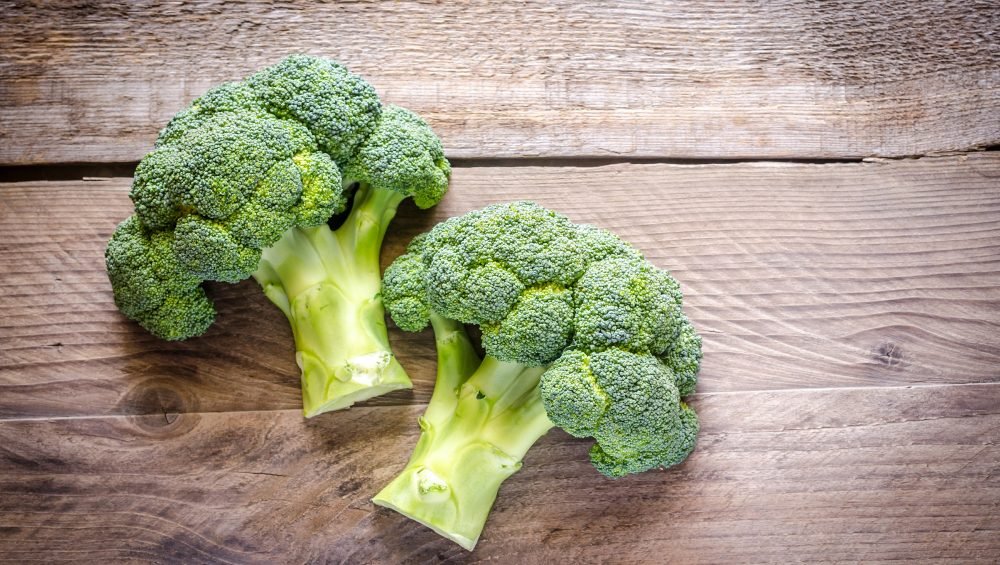
Adding broccoli to your diet can help you with a number of health benefits. For example, it helps strengthen the bones and improves gut health. It also promotes healthy skin and maintains eye health. Broccoli is packed with essential vitamins and minerals, including vitamins A, C, K, B6, magnesium, iron, and potassium.
It is also an excellent source of dietary fiber and protein. In addition, it contains a type of plant compound called sulforaphane, which has powerful anti-inflammatory and antioxidant properties. All these benefits make broccoli an excellent food for maintaining overall health and wellness.
Types Of Broccoli
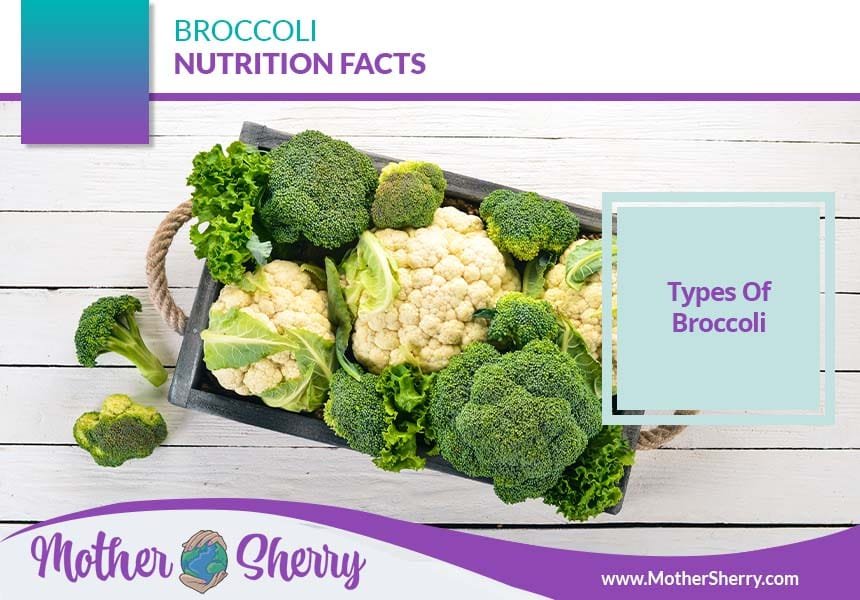
There are several colors of broccoli, including white, green, and purple varieties. White broccoli is the most popular variety and has a mild flavor. Green broccoli is slightly bitter in taste and has more intense nutritional properties than white broccoli. Purple broccoli contains high amounts of anthocyanins, which are antioxidant compounds that have anti-cancer and anti-inflammatory benefits.
There are also types of broccoli, like broccolini and sprouting broccoli. Broccolini is a hybrid between standard broccoli and Chinese kale, which has a milder flavor and crunchier texture than regular broccoli. Sprouting broccoli is a type of baby broccoli that’s harvested before it fully matures, giving it a milder flavor and softer texture than mature heads.
Facts About Broccoli
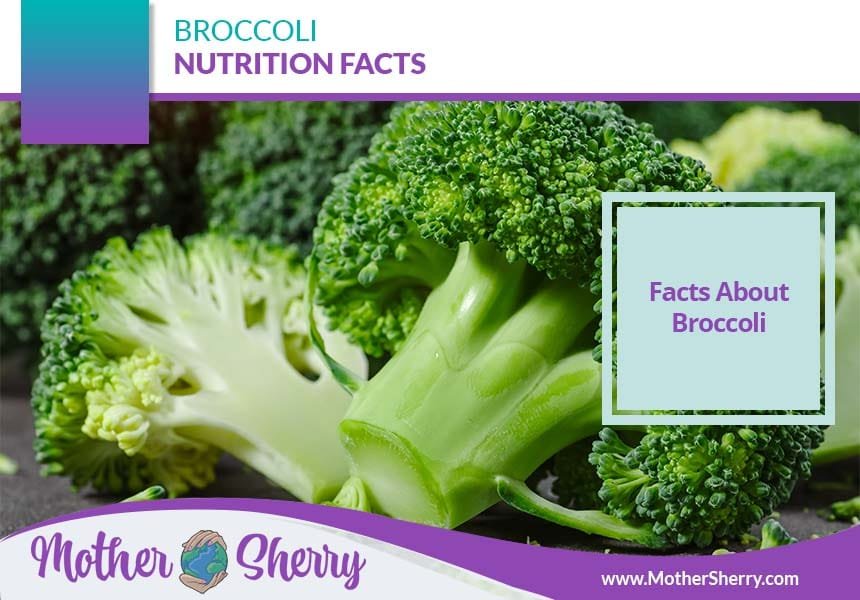
Besides being a great source of vitamin C, broccoli nutrition facts also include potassium, magnesium, zinc, and iron. These nutrients are crucial for maintaining strong bones. In addition to its antioxidant properties, broccoli contains several phytonutrients that may help protect the eye from age-related disorders. Specifically, lutein and zeaxanthin may prevent cellular damage in the eyes.
Another phytonutrient, alpha-linolenic acid, has been linked to improved circulation and digestive health. It also helps promote immune system function and reduce inflammation. In addition to these benefits, broccoli has been found to have an anti-cancer effect.
Vitamin K, another essential nutrient in broccoli, is vital for maintaining bone mineral density. It also helps with blood clotting. In addition, high levels of calcium in broccoli help prevent bone deficiency.
Sulforaphane is a powerful bioactive compound in broccoli that can help control cholesterol levels, manage diabetes, and lower the risk of chronic disease. It also promotes the production of metabolic compounds that may help delay the process of aging. Other antioxidants found in broccoli include choline, selenium, and beta-carotene. These antioxidants are important for reducing free radicals that may cause cell damage. They can also help fight numerous infections.
Broccoli Strengthens The Bones
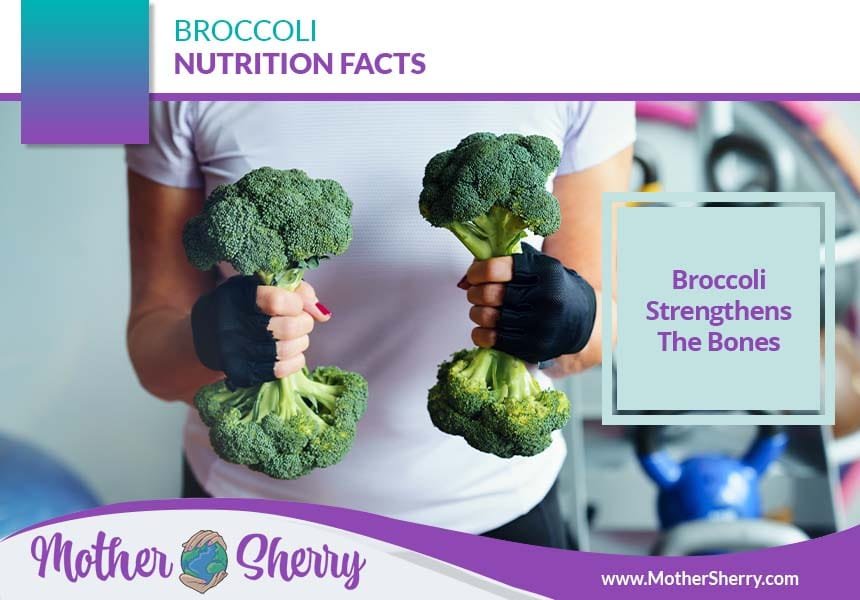
Strengthening bones is one of the many benefits of broccoli. It contains high levels of vitamin K, which helps improve bone mineral density. Vitamin K also helps with blood clotting, which is vital for preventing fractures and other injuries. In addition, broccoli contains a type of plant compound called sulforaphane, which has anti-inflammatory properties. This compound encourages the production of metabolic compounds that can delay the aging process.
Broccoli is also high in calcium, which helps keep the bones strong and prevents bone disorders like osteoporosis. This essential mineral also helps the body absorb other important minerals, like iron, zinc, and magnesium, more effectively. Finally, broccoli contains several antioxidants that can help protect against cell damage by reducing free radicals. This can help reduce the risk of age-related diseases like arthritis and cancer.
Broccoli Aids Heart Health
Having broccoli can benefit your heart health. It is rich in potassium, which helps lower blood pressure. This important mineral can reduce the risk of stroke and other cardiovascular diseases.
Broccoli also contains several antioxidants, like vitamin C and beta-carotene, that help protect against cell damage. These compounds can help improve circulation and reduce inflammation. The powerful bioactive compound sulforaphane found in broccoli can help reduce bad cholesterol levels and improve diabetes management. This can lead to a healthier heart and reduced risk of cardiovascular disease.
Broccoli Improves Gut Health
Adding broccoli to your diet can improve gut health. The vegetable is full of antioxidants, which can protect your cells from damage from free radicals and other environmental stressors. It’s also a good source of fiber.
Researchers at Penn State University have found that eating broccoli improves the health of your gut. The research is based on a controlled feeding study in healthy adults. The subjects ate about 15 percent of their daily caloric intake in the form of broccoli. They were divided into two groups and fed the broccoli for 18 days. After the washout period, the group that ate broccoli had favorable changes in their gastrointestinal microbiota.
The changes were attributed to the broccoli’s protein families, which include family members involved in cellular transportation and transcription regulation. In addition, these cruciferous vegetables activate a receptor on the gastrointestinal lining. This receptor is called an Ah receptor (AHR). AHR is thought to help maintain gut health.
Broccoli Maintains Eye Health
Whether you are trying to prevent age-related macular degeneration (AMD) or just want to keep your eyes healthy, broccoli is a great food to include in your diet. It’s loaded with vitamins and minerals that are critical for good eye health. Broccoli is rich in vitamin A and beta-carotene, which are both needed to maintain good vision. It also contains lutein, which helps protect your eye from damage caused by sunlight. This helps delay the onset of cataracts and macular degeneration, two eye disorders that can cause vision loss.
Sulforaphane, a naturally-occurring antioxidant in broccoli, helps protect your eye from damage by free radicals. Sulforaphane also kills bacteria in your stomach; this helps prevent ulcers and heart disease. Broccoli is also a good source of vitamin C, which helps your eyes and immune system work properly. Vitamin C is a powerful antioxidant. A diet rich in vitamin C may help reduce your risk of developing age-related macular degeneration.
Broccoli Promotes Healthy Skin
Adding broccoli to your daily diet can help you achieve healthy skin. This powerful vegetable is packed with antioxidants, minerals, and vitamins that keep your skin soft, supple, and glowing. The antioxidants found in broccoli help protect your skin from harmful oxidative damage. This is important because exposure to the sun can damage your skin and lead to aging.
Broccoli also contains vitamin C, a nutrient that helps your body produce collagen, the main component of your skin. Collagen keeps your skin firm and elastic and reduces wrinkles. It also helps repair damaged skin.
This superfood also contains antioxidants that fight free radicals. These harmful molecules are caused by environmental stresses, such as pollution. This can cause oxidative stress in the skin, which can lower the elasticity and moisture of your skin. Broccoli also promotes the production of collagen, a fiber that helps protect blood vessels and promotes healthy hair.

Broccoli Helps With Weight Loss
Broccoli can also help you lose weight. This cruciferous vegetable contains essential vitamins and minerals; it is also a good source of protein. The high fiber content of this vegetable helps your bowel function. It also helps you feel full for longer, thus reducing the risk of overeating. The dietary fiber in broccoli also works to keep your blood sugar levels low.
Another benefit of broccoli is that it can help you burn belly fat. It also contains carotenoids, which promote fat loss by increasing your metabolism. The protein and fiber in this vegetable can help control hunger, which can lead to weight loss.
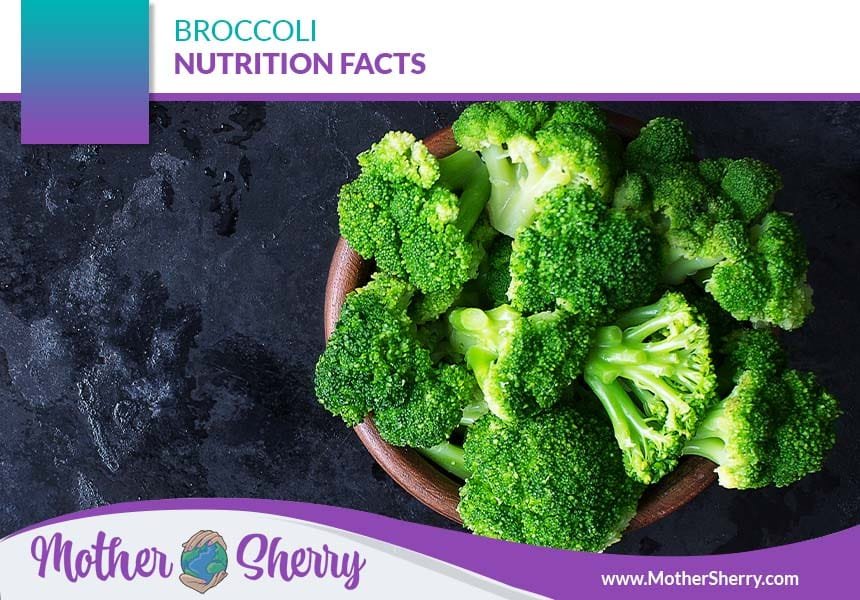
Broccoli is a superfood that provides many health benefits. It has been linked to improved gut health, eye health, and skin health. It can help with fat loss.
Add broccoli to your diet. It is an easy way to maintain good health. So make sure to include this vegetable in your meals regularly!