

Thyroid hormones regulate a variety of bodily processes, including metabolism, body temperature, heart rate, growth, and development. When the thyroid is malfunctioning, it can induce a range of health issues. In this article, we’ll show you six trace elements that may help support thyroid function.
To begin, we’ll look at how selenium and iron impact thyroid function. Next, we’ll examine fat-soluble vitamins and zinc since they may affect the performance of your thyroid gland. Then, we’ll speak about the significance of iodine in thyroid function.
1Selenium
The recommended daily intake of selenium is 55 micrograms. Selenium is a mineral that is required for the proper functioning of the thyroid gland. It aids in the conversion of T4 to T3 as well as protects the thyroid from radiation and other pollutants. The thyroid gland controls the rate of metabolism in our bodies, which can be affected by a lack of selenium. Hypothyroidism is one possible result.
You might question if it’s safe to take selenium supplements if you have hypothyroidism. Many healthcare professionals recommend taking 200-300 micrograms of selenium daily if you are deficient or have hypothyroidism. However, always speak with your healthcare professional before taking any supplements.
2Iron
Adult men and women require 18 milligrams of iron each day. Thyroid hormones are made from iron. It aids in the delivery of oxygen to cells, which is required for energy production. Hypothyroidism is a common consequence of an iron deficit.
If you have hypothyroidism, iron supplements are perfectly safe to use. Many healthcare experts advocate taking 30-60 milligrams of extra iron daily if you are low in iron or have hypothyroidism. Before taking any vitamins, however, always see your doctor.
3Fat-Soluble Vitamins
The thyroid gland’s health is influenced by fat-soluble vitamins (A, D, E, and K). Thyroid hormones are produced with vitamin A, while vitamin D regulates the thyroid. Vitamin E protects the thyroid from radiation and other aggressors while also assisting in the uptake of thyroxine. Vitamin K is required for efficient thyroid hormone absorption. It’s better to get fat-soluble vitamins through food rather than supplements.
Vitamin A, D, or E supplements have been found in trials to improve thyroid activity. However, more research is required to verify whether vitamin therapies help with thyroid problems. Consult your doctor before taking fat-soluble vitamins.
4Zinc
The RDI for zinc is 11 milligrams. Zinc is important for the production of thyroid hormones, among other things. It accomplishes this by assisting the body in transforming inactive thyroid hormone (T4) to its active form (T3). Hypothyroidism can cause low zinc levels, so eat plenty of zinc-rich foods to avoid this condition.
Research suggests that 13-15 milligrams of supplemental zinc daily may improve thyroid function and benefit those with hypothyroidism. However, consult your healthcare professional before taking any zinc supplements. Everybody is different, so you should consider your unique body chemistry.
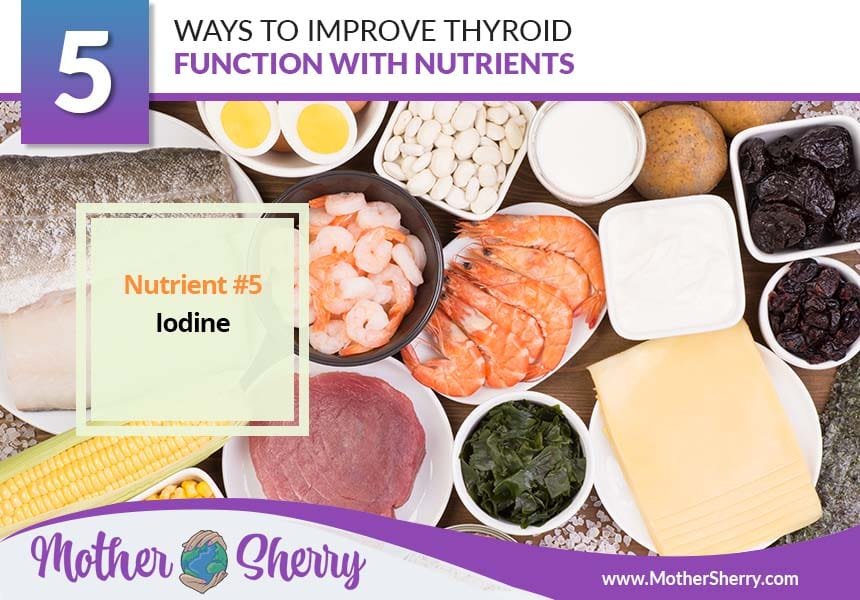
5Iodine
The recommended daily intake of iodine is 150 micrograms. Iodine is a mineral that is required for the proper functioning of the thyroid gland. It aids in the conversion of T4 to T3 as well as reduces damage from radiation and other pollutants in the thyroid gland.
Thyroid hormones contain iodine; deficiency in it can cause thyroid hormone dysfunction in people. On the other hand, too much of a good thing might be harmful. Supplemental iodine beyond what is required by the body may stifle the thyroid gland’s ability to produce hormones. To prevent this, most specialists advocate using kelp supplements under their doctor’s supervision and guidance.
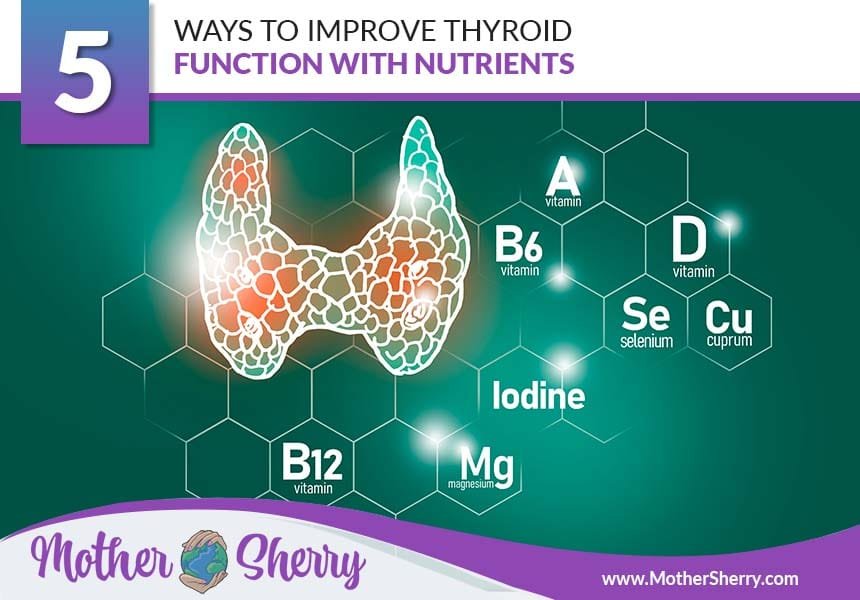
Thyroid hormones control a variety of bodily functions, such as metabolism, body temperature, heart rate, growth, and development. When the thyroid is damaged, it can cause a variety of health problems. We showed you six trace elements that may help support thyroid function in this article.
To begin, we looked at how selenium and iron affect thyroid function. The next segment was on fat-soluble vitamins and zinc since they might impact your thyroid gland’s performance. Then, we discussed the role of iodine in thyroid activity. With this information, you can wisely choose which nutrient best fits your thyroid function needs.