

When the synovial membrane that lies within the capsule of a joint is the target of a misdirected immune system, it causes inflammation in the joints. This membrane produces gel-like synovial fluid, which is responsible for lubricating the joints. Without this fluid, smooth joint movement would be impossible. In this article, we will share with you valuable information about rheumatoid arthritis you need to take control of your health.
First, you will learn about the causes of rheumatoid arthritis. Next, you will learn about the management of rheumatoid arthritis. Then, we will cover the symptoms of rheumatoid arthritis and wrap up with the complications of rheumatoid arthritis. Once you have finished reading, you will know this valuable information about rheumatoid arthritis and be ready to take control of your health.

1Causes Of Rheumatoid Arthritis
Genes do not cause rheumatoid arthritis. However, scientists believe that some people are more susceptible than others to environmental factors. Infection, viruses, and bacteria are thought to be some of the factors that can trigger the onset.
Inflammation is the body’s natural reaction to arthritic diseases, causing pain, swelling, and heat. People with this progressive disease go through periods of increased activity called flares, followed by periods of relative remission when the swelling and pain fade or disappear. It is thought that smoking increases the risk in people who have a genetic predisposition to develop the disease, with symptoms appearing more severe. This disease can strike at any age. The onset is most common between the ages of 25 and 55, and around 57% of patients are women.
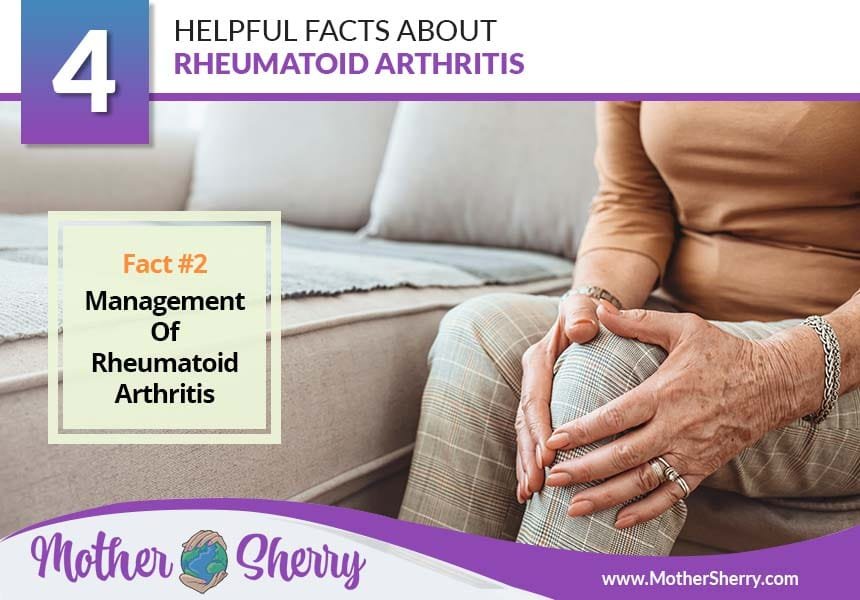
2Management Of Rheumatoid Arthritis
A physiotherapist can provide an activity moderation plan to help manage the pain as well as prescribe an exercise program to help keep the joints mobile and strong. Exercise will build up stamina and help maintain muscle strength and joint flexibility. This will help with pain management.
Complementary therapies, such as massage and acupuncture, may also provide relief from pain. Rest can help manage fatigue, and this is particularly important in times when flares occur and when the joints are red, sore, and swollen. If the joint is very painful or if there is a risk of losing overall function, surgery may become necessary.
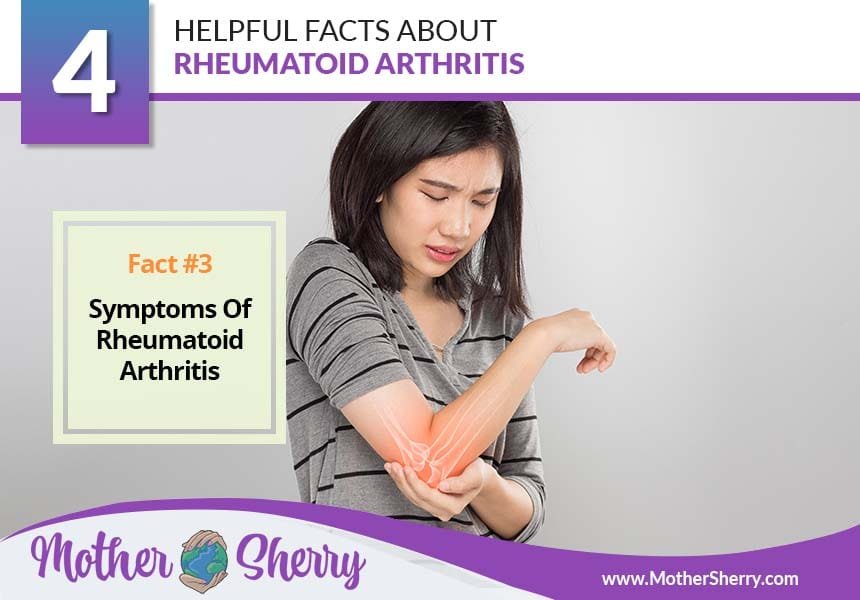
3Symptoms Of Rheumatoid Arthritis
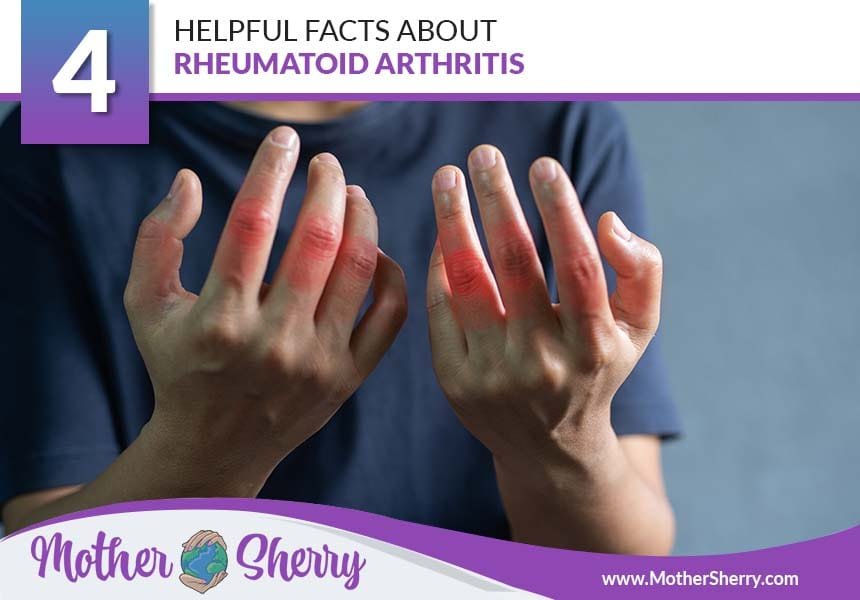
The most common symptom of rheumatoid arthritis is tender, swollen joints. It is usual for both sides of the body to be affected by the disease. Rheumatoid arthritis usually starts in the joints of the fingers, toes, and feet, and as the disease progresses, the pain and swelling often spread to the wrists, ankles, knees, elbows, hips, and shoulders. When the lining of the membranes has been damaged, the inflammation thickens the synovial membrane. This can eventually destroy the cartilage and the bone within the joint.
Sometimes, when the tendons and ligaments stretch and weaken, the joint gradually loses its shape and alignment. Sleeping difficulties because of the pain increase persistent fatigue, which is a common condition of this disease. Around 40% of people who deal with rheumatoid arthritis additionally have symptoms that do not involve the joints. A wide variety of body systems, including the lungs, heart, blood vessels, skin, and eyes, can be affected.
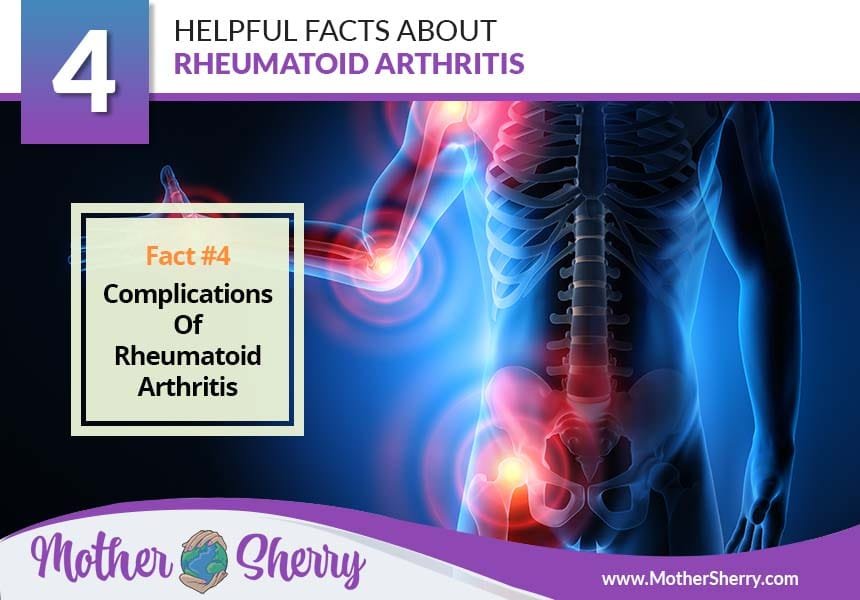
4Complications Of Rheumatoid Arthritis
Medication for rheumatoid arthritis and the disease itself can further impair the immune system, leading to an increased risk of infection. Medication and the disease itself can also pose a greater risk of osteoporosis occurring. There is an increased risk of experiencing Sjögren syndrome, a disorder that decreases the moisture in the eyes and mouth.
There is also a greater risk of inflammation and scarring of the lung tissue, which can lead to progressive shortening of the breath. If rheumatoid arthritis has affected the wrists, it can lead to carpal tunnel syndrome. This syndrome causes inflammation to compress the nerves that serve most of the hands and fingers. In some cases, the heart is affected, increasing the risk of hardened and blocked arteries and inflammation of the sac that encloses the heart.
Inflammation in the joints occurs when the synovial membrane that lies within the capsule of a joint is the target of a misdirected immune system. The gel-like synovial fluid this membrane produces is responsible for lubricating the joints. The smooth joint movement would be impossible without this fluid. In this article, we shared with you valuable information about rheumatoid arthritis you need to take control of your health.
First, you learned about the causes of rheumatoid arthritis. Next, you learned about the management of rheumatoid arthritis. Then, we covered the symptoms of rheumatoid arthritis and wrapped up with the complications of rheumatoid arthritis. Now that you have finished reading, you know valuable information about rheumatoid arthritis, and you’re ready to take control of your health.