Soybeans: The Nutritious Superfood For A Healthier You
Eating a balanced diet is essential for optimal health. But it can be hard to find the right balance of protein, vitamins, and minerals. Many people rely on animal-based proteins, like meat or dairy products, which are often high in fat and cholesterol.
This can lead to weight gain, heart disease, and other health problems. Fortunately, there is an excellent alternative source of protein that is low in fat and rich in micronutrients – soybeans! In this article, we will explore the many benefits of incorporating soybeans into your diet as well as some cautions to consider before making any changes to your diet.
1Introduction
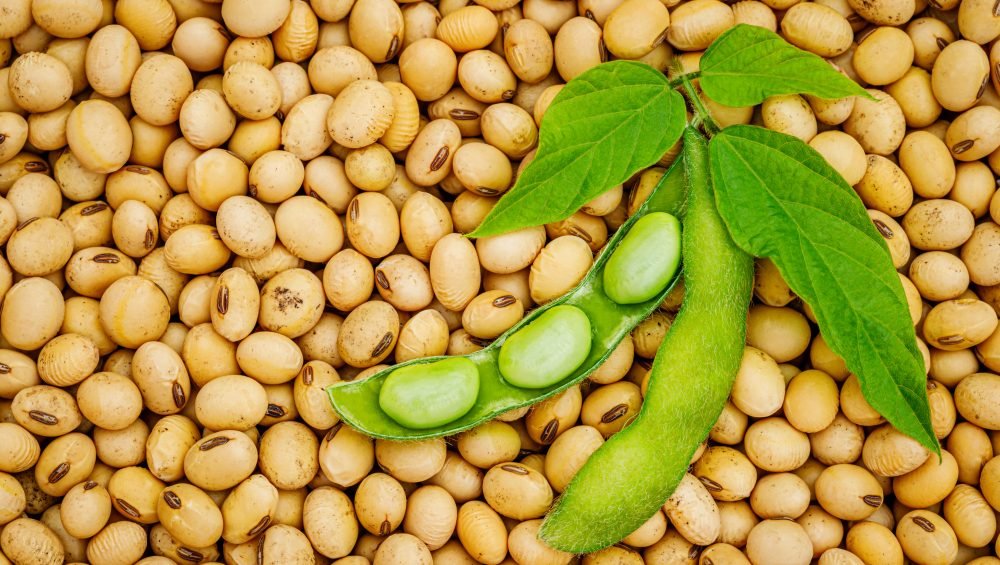
Soybean is a type of legume that is native to East Asia and is a staple food in many countries in the region. They are rich in protein, fiber, and several essential vitamins and minerals. They also contain compounds called isoflavones, which have been shown to have a variety of health benefits, including reducing the risk of heart disease, certain types of cancer, and menopausal symptoms.
Soybeans have been grown in China for thousands of years and have been a staple food for many cultures in the region. In the 20th century, soybeans became widely cultivated in other countries, including the United States, where they are now a major crop. Soybeans are versatile and can be used to make a variety of foods, including tofu, soy milk, and tempeh, as well as being a source of oil and animal feed.
Soybeans are available in many forms, including fresh or dried whole beans, soy flour, soy protein isolate, and soy oil. They can be incorporated into the diet by using them as a protein source in place of meat, by using soy-based dairy alternatives, or by consuming soy products, such as tofu and tempeh. When choosing soy products, it is important to look for those that are non-GMO and minimally processed.
2Nutritional Value Of Soybeans
Soybeans are a highly nutritious food that contains a balanced blend of macronutrients and micronutrients. In a 100-gram serving of cooked soybeans, there are approximately eight grams of protein, four grams of fiber, and eight grams of carbohydrates. Soybeans also contain significant amounts of healthy unsaturated fats, including both polyunsaturated and monounsaturated fats. Additionally, soybeans are a rich source of vitamins and minerals, including folate, potassium, iron, and calcium.
Compared to other plant-based protein sources, such as legumes, nuts, and seeds, soybeans are a particularly rich source of complete protein, meaning that they contain all of the essential amino acids that the human body needs. They are also a good source of iron, calcium, and other micronutrients, making them a nutritious alternative to animal-based protein sources, such as meat and dairy products. However, it is essential to note that soybeans should be consumed in moderation as part of a balanced diet, as they also contain phytates and lectins, which can interfere with the absorption of certain minerals.
The nutrients found in soybeans have been shown to have a variety of health benefits. For example, the high levels of polyunsaturated and monounsaturated fats in soybeans have been linked to lower levels of LDL cholesterol, which can reduce the risk of heart disease. Additionally, the isoflavones in soybeans have been shown to have estrogen-like effects, which may help reduce the symptoms of menopause. The high levels of fiber and protein in soybeans may also help regulate blood sugar levels and promote feelings of fullness, making them useful food for weight management. Finally, the high levels of vitamins and minerals, such as iron, calcium, and folate, in soybeans can help support overall health and prevent chronic diseases.

3For Heart Health
Soybeans are heart-healthy food due to their rich content of polyunsaturated and monounsaturated fats, fiber, and plant-based protein. These nutrients work together to promote heart health by reducing levels of LDL cholesterol or “bad” cholesterol and reducing inflammation in the body. Additionally, the isoflavones in soybeans have been shown to have cholesterol-lowering effects, making soybeans a great food choice for those looking to improve their heart health.
Studies have consistently shown that consuming soybeans can reduce the risk of heart disease. For example, a meta-analysis of 29 studies found that consuming soybeans on a regular basis was associated with a lower risk of heart disease. Additionally, other studies have shown that soybeans can help lower blood pressure and improve the function of blood vessels, which can reduce the risk of heart disease.
Incorporating soybeans into your diet is easy and delicious. Consider using tofu or tempeh in stir-fried dishes or adding edamame to salads and soups. Soy milk is a great alternative to cow’s milk and can be used in smoothies or as a base for creamy soups. Additionally, soy-based products, such as veggie burgers or meat alternatives, can be used in place of traditional meat products in many recipes. Just be sure to choose minimally processed soy products to maximize the health benefits.

4For Cancer Prevention
Soybeans contain compounds, such as isoflavones, that have been shown to have anticancer effects. These compounds are thought to help prevent cancer by reducing inflammation and promoting cell death in cancer cells, among other mechanisms. Additionally, soybeans are rich in antioxidants, which help protect the body against oxidative stress, which has been linked to the development of cancer.
Studies have investigated the relationship between soybeans and several types of cancer, including breast, prostate, and colon cancer. The evidence for a protective effect of soybeans on breast cancer is particularly strong, with several studies showing that women who consume soybeans regularly have a lower risk of breast cancer. The evidence for soybeans and prostate cancer is less clear, with some studies suggesting a protective effect, while others show no association. For colon cancer, the evidence is also mixed, with some studies showing a protective effect, while others show no association.
While the research on the relationship between soybeans and cancer prevention is promising, it is still in its early stages, and more research is needed to fully understand the mechanisms involved. Additionally, most studies have been conducted in laboratory or animal models, so more research is needed to confirm these findings in human populations. However, the evidence thus far suggests that consuming soybeans as part of a balanced diet may help reduce the risk of certain types of cancer, and they should be incorporated as part of a healthy, cancer-preventive diet.
5For Bone Health
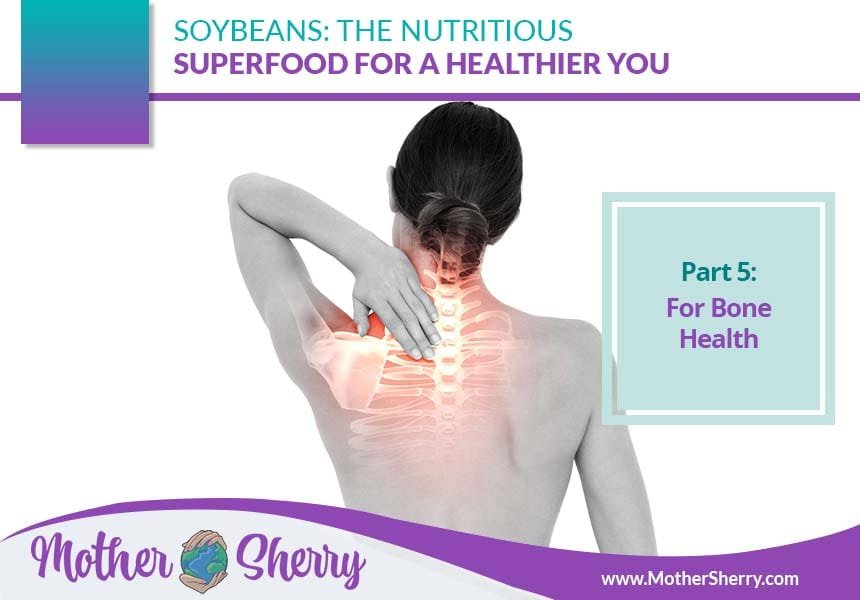
Soybeans contain several nutrients that are important for maintaining strong and healthy bones, including calcium, magnesium, and phosphorus. Additionally, soybeans are a rich source of protein, which is vital for building and maintaining bone mass. Some studies have also suggested that the isoflavones in soybeans may have a positive effect on bone health by reducing inflammation and improving bone density.
Osteoporosis is a condition in which the bones become fragile and are more prone to fractures. While several factors contribute to the development of osteoporosis, including age, gender, and genetics, diet and lifestyle factors also play a role. Consuming soybeans as part of a balanced diet may help reduce the risk of osteoporosis by providing the body with the nutrients it needs to build and maintain healthy bones. Additionally, the isoflavones in soybeans may have a direct effect on bone health, helping improve bone density and reduce the risk of fractures.
While the exact amount of soybeans needed for optimal bone health is not clear, most studies suggest that consuming at least 25-50 grams of soy protein per day is a good goal. This can be achieved by incorporating soybeans into the diet in various forms, such as edamame, tofu, and soy milk. Additionally, it is important to consume a balanced diet that includes a variety of nutrients for optimal bone health, including calcium, magnesium, phosphorus, and vitamin D. Consultation with a healthcare provider is recommended before making any changes to the diet, especially for individuals with underlying health conditions or taking any medications.

6For Menopause Support
Menopause is a natural biological process that occurs when a woman stops ovulating, and her reproductive system begins to slow down. During this time, many women experience physical and emotional symptoms, including hot flashes, night sweats, mood changes, and vaginal dryness. Some studies have suggested that soybeans may help reduce the severity of these symptoms by providing the body with isoflavones, which have a weak estrogen-like effect and may help regulate hormone levels.
Soybeans contain isoflavones, which are plant compounds that have a weak estrogen-like effect. Some studies have suggested that consuming soybeans may help reduce the severity of menopausal symptoms by regulating hormone levels and improving overall health. Additionally, soybeans are a rich source of protein, which is vital for maintaining muscle mass and strength, and they are low in fat, which can help maintain a healthy weight and reduce the risk of certain health problems.
The exact amount of soybeans needed for optimal menopause support is not clear, but most studies suggest that consuming at least 25-50 grams of soy protein per day is a good goal. This can be achieved by incorporating soybeans into the diet in various forms, such as edamame, tofu, and soy milk. However, it is vital to note that the effects of soybeans on menopausal symptoms may vary from person to person and that it is always best to consult with a healthcare provider before making any changes to the diet, especially for individuals with underlying health conditions or taking any medications. Additionally, it is vital to maintain a balanced diet and lifestyle for optimal health during and after menopause.
7Conclusion
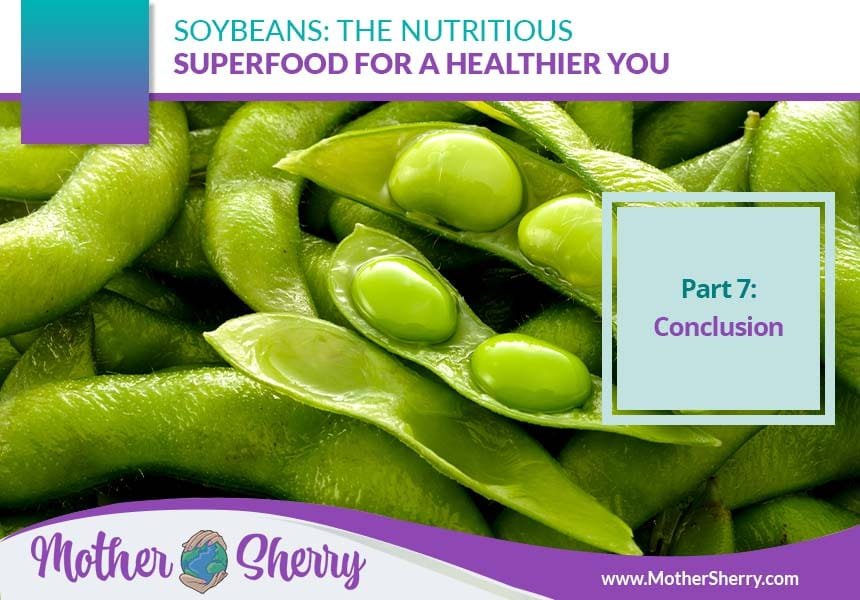
Soybeans are versatile and nutritious food that offer a range of health benefits. They are an excellent source of protein, with a nutrient profile that is comparable to animal-based protein sources. Soybeans are also low in fat and contain a variety of micronutrients, including calcium, iron, and vitamin B6. Additionally, consuming soybeans has been associated with a reduced risk of heart disease, cancer, osteoporosis, and menopausal symptoms.
While there are many health benefits associated with consuming soybeans, there are also some limitations and cautions that should be considered. Some individuals may experience digestive problems or allergic reactions when consuming soybeans. Additionally, soybeans contain phytoestrogens, which may have an impact on hormone levels in some individuals. It is important to consult with a healthcare provider before making any changes to the diet, especially for individuals with underlying health conditions or taking any medications.
In conclusion, incorporating soybeans into the diet can offer a range of health benefits and is a great way to increase protein intake while reducing the risk of certain health problems. Whether enjoyed in the form of edamame, tofu, or soy milk, soybeans are a delicious and versatile food that can be easily incorporated into a healthy and balanced diet. For optimal health, it is recommended to consult with a healthcare provider before making any changes to the diet and to aim for a balanced and varied diet that includes a variety of healthy foods.