
Broccoli Nutrition Facts

Adding broccoli to your diet can help you with a number of health benefits. For example, it helps strengthen the bones and improves gut health. It also promotes healthy skin and maintains eye health. Broccoli is packed with essential vitamins and minerals, including vitamins A, C, K, B6, magnesium, iron, and potassium.

It is also an excellent source of dietary fiber and protein. In addition, it contains a type of plant compound called sulforaphane, which has powerful anti-inflammatory and antioxidant properties. All these benefits make broccoli an excellent food for maintaining overall health and wellness.
Types Of Broccoli

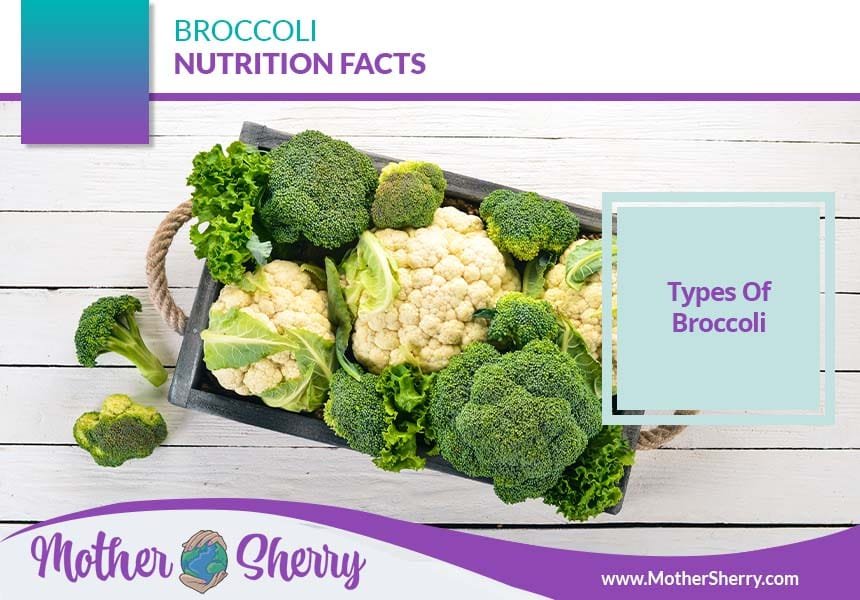
There are several colors of broccoli, including white, green, and purple varieties. White broccoli is the most popular variety and has a mild flavor. Green broccoli is slightly bitter in taste and has more intense nutritional properties than white broccoli. Purple broccoli contains high amounts of anthocyanins, which are antioxidant compounds that have anti-cancer and anti-inflammatory benefits.

There are also types of broccoli, like broccolini and sprouting broccoli. Broccolini is a hybrid between standard broccoli and Chinese kale, which has a milder flavor and crunchier texture than regular broccoli. Sprouting broccoli is a type of baby broccoli that’s harvested before it fully matures, giving it a milder flavor and softer texture than mature heads.
Facts About Broccoli

Besides being a great source of vitamin C, broccoli nutrition facts also include potassium, magnesium, zinc, and iron. These nutrients are crucial for maintaining strong bones. In addition to its antioxidant properties, broccoli contains several phytonutrients that may help protect the eye from age-related disorders. Specifically, lutein and zeaxanthin may prevent cellular damage in the eyes.

Another phytonutrient, alpha-linolenic acid, has been linked to improved circulation and digestive health. It also helps promote immune system function and reduce inflammation. In addition to these benefits, broccoli has been found to have an anti-cancer effect.

Vitamin K, another essential nutrient in broccoli, is vital for maintaining bone mineral density. It also helps with blood clotting. In addition, high levels of calcium in broccoli help prevent bone deficiency.

Sulforaphane is a powerful bioactive compound in broccoli that can help control cholesterol levels, manage diabetes, and lower the risk of chronic disease. It also promotes the production of metabolic compounds that may help delay the process of aging. Other antioxidants found in broccoli include choline, selenium, and beta-carotene. These antioxidants are important for reducing free radicals that may cause cell damage. They can also help fight numerous infections.
Broccoli Strengthens The Bones

Strengthening bones is one of the many benefits of broccoli. It contains high levels of vitamin K, which helps improve bone mineral density. Vitamin K also helps with blood clotting, which is vital for preventing fractures and other injuries. In addition, broccoli contains a type of plant compound called sulforaphane, which has anti-inflammatory properties. This compound encourages the production of metabolic compounds that can delay the aging process.

Broccoli is also high in calcium, which helps keep the bones strong and prevents bone disorders like osteoporosis. This essential mineral also helps the body absorb other important minerals, like iron, zinc, and magnesium, more effectively. Finally, broccoli contains several antioxidants that can help protect against cell damage by reducing free radicals. This can help reduce the risk of age-related diseases like arthritis and cancer.
Broccoli Aids Heart Health

Having broccoli can benefit your heart health. It is rich in potassium, which helps lower blood pressure. This important mineral can reduce the risk of stroke and other cardiovascular diseases.

Broccoli also contains several antioxidants, like vitamin C and beta-carotene, that help protect against cell damage. These compounds can help improve circulation and reduce inflammation. The powerful bioactive compound sulforaphane found in broccoli can help reduce bad cholesterol levels and improve diabetes management. This can lead to a healthier heart and reduced risk of cardiovascular disease.

Broccoli Improves Gut Health

Adding broccoli to your diet can improve gut health. The vegetable is full of antioxidants, which can protect your cells from damage from free radicals and other environmental stressors. It’s also a good source of fiber.

Researchers at Penn State University have found that eating broccoli improves the health of your gut. The research is based on a controlled feeding study in healthy adults. The subjects ate about 15 percent of their daily caloric intake in the form of broccoli. They were divided into two groups and fed the broccoli for 18 days. After the washout period, the group that ate broccoli had favorable changes in their gastrointestinal microbiota.

The changes were attributed to the broccoli’s protein families, which include family members involved in cellular transportation and transcription regulation. In addition, these cruciferous vegetables activate a receptor on the gastrointestinal lining. This receptor is called an Ah receptor (AHR). AHR is thought to help maintain gut health.
Broccoli Maintains Eye Health

Whether you are trying to prevent age-related macular degeneration (AMD) or just want to keep your eyes healthy, broccoli is a great food to include in your diet. It’s loaded with vitamins and minerals that are critical for good eye health. Broccoli is rich in vitamin A and beta-carotene, which are both needed to maintain good vision. It also contains lutein, which helps protect your eye from damage caused by sunlight. This helps delay the onset of cataracts and macular degeneration, two eye disorders that can cause vision loss.

Sulforaphane, a naturally-occurring antioxidant in broccoli, helps protect your eye from damage by free radicals. Sulforaphane also kills bacteria in your stomach; this helps prevent ulcers and heart disease. Broccoli is also a good source of vitamin C, which helps your eyes and immune system work properly. Vitamin C is a powerful antioxidant. A diet rich in vitamin C may help reduce your risk of developing age-related macular degeneration.
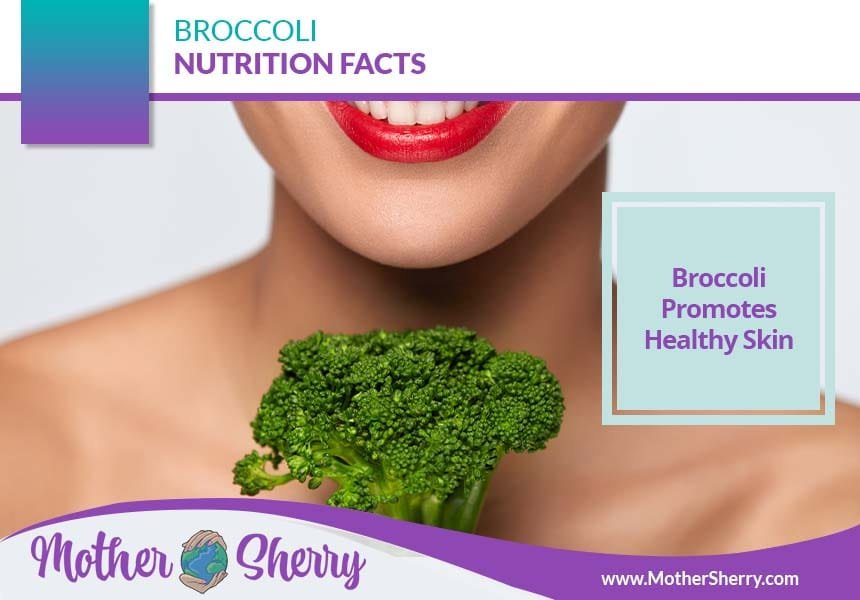
Broccoli Promotes Healthy Skin

Adding broccoli to your daily diet can help you achieve healthy skin. This powerful vegetable is packed with antioxidants, minerals, and vitamins that keep your skin soft, supple, and glowing. The antioxidants found in broccoli help protect your skin from harmful oxidative damage. This is important because exposure to the sun can damage your skin and lead to aging.

Broccoli also contains vitamin C, a nutrient that helps your body produce collagen, the main component of your skin. Collagen keeps your skin firm and elastic and reduces wrinkles. It also helps repair damaged skin.

This superfood also contains antioxidants that fight free radicals. These harmful molecules are caused by environmental stresses, such as pollution. This can cause oxidative stress in the skin, which can lower the elasticity and moisture of your skin. Broccoli also promotes the production of collagen, a fiber that helps protect blood vessels and promotes healthy hair.

Broccoli Helps With Weight Loss

Broccoli can also help you lose weight. This cruciferous vegetable contains essential vitamins and minerals; it is also a good source of protein. The high fiber content of this vegetable helps your bowel function. It also helps you feel full for longer, thus reducing the risk of overeating. The dietary fiber in broccoli also works to keep your blood sugar levels low.

Another benefit of broccoli is that it can help you burn belly fat. It also contains carotenoids, which promote fat loss by increasing your metabolism. The protein and fiber in this vegetable can help control hunger, which can lead to weight loss.
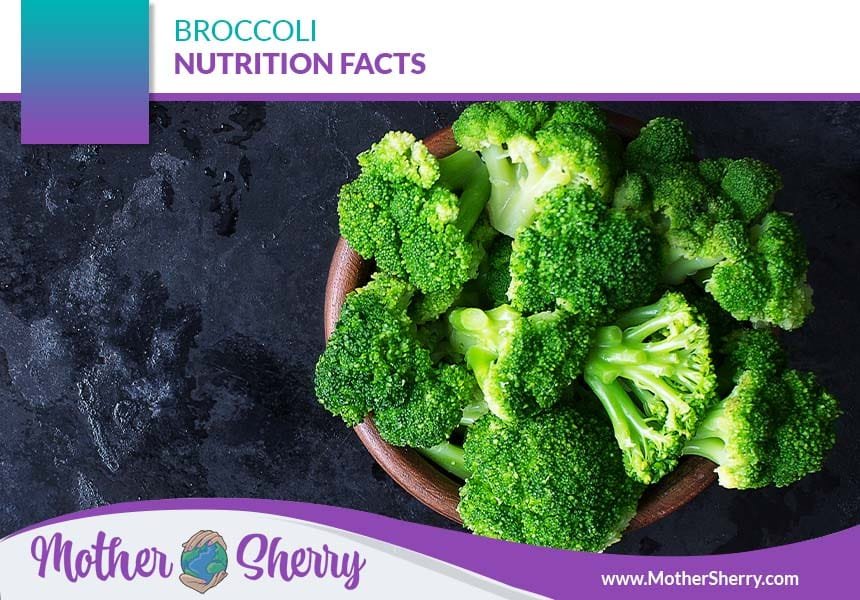
Broccoli is a superfood that provides many health benefits. It has been linked to improved gut health, eye health, and skin health. It can help with fat loss.

Add broccoli to your diet. It is an easy way to maintain good health. So make sure to include this vegetable in your meals regularly!

Selenium Benefits And Foods For Your Body

Having a diet that is high in selenium benefits your body in many ways. It is a mineral that is known to help your heart and thyroid function. It can also prevent cancer.

It helps ensure that your body has enough antioxidants. These fight off free radicals that can damage cells. It also helps in the absorption of vitamin E.

What Selenium Is

Selenium is an essential mineral that is found in the soil. It can be absorbed by plants. It is then passed on to humans when they eat those plants or products made from them.

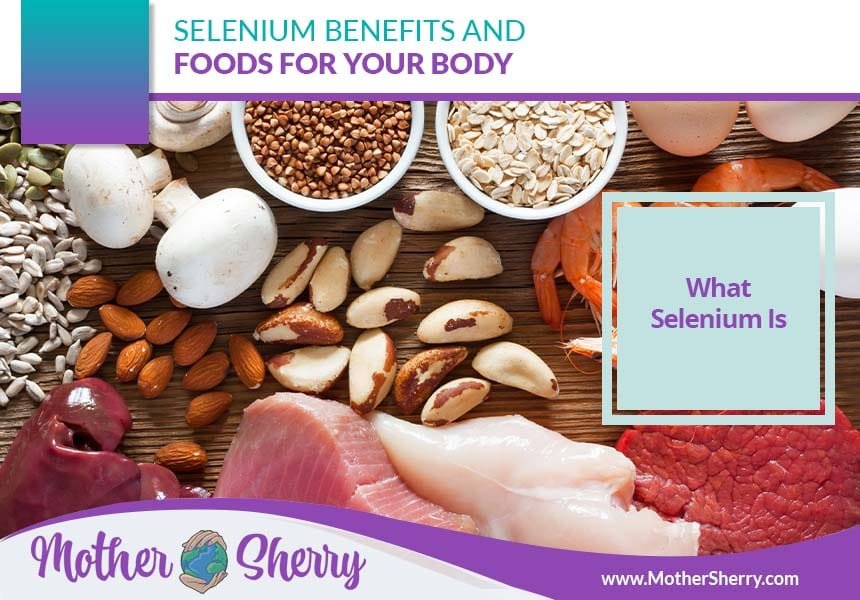
Selenium occurs naturally in some foods, such as nuts, seafood, grains, and eggs. It can also be purchased and taken in supplement form. It has several benefits, including protection against certain forms of cancer, improved heart and thyroid health, and enhanced reproductive health.

Selenium Antioxidants In Foods

Selenium is rich in antioxidants that can help protect your cells from harmful free radicals that can damage them. Free radicals are molecules in the environment that can be caused by things such as smoking, pollution, and UV radiation. These molecules can cause mutations in your cells.

These can lead to cancer or other illnesses. Selenium helps neutralize these free radicals. It prevents them from causing damage to your cells.

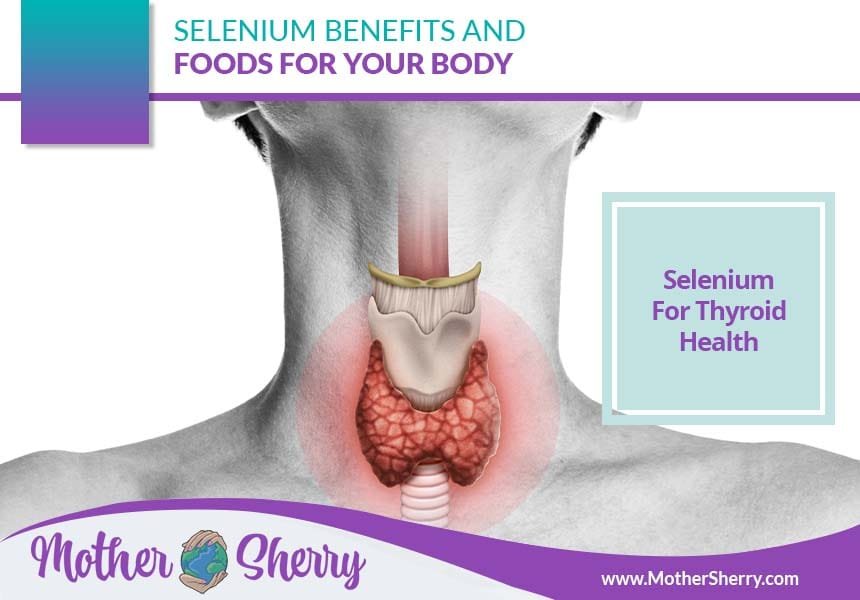
Selenium For Thyroid Health

The thyroid plays a role in numerous normal body functions. It regulates metabolism, growth, and development; it’s also responsible for the production of hormones. It produces triiodothyronine, which increases the basal metabolic rate. Thyroid dysfunction can cause muscle aches and fatigue. Thyroid glands contain the highest concentration of selenium in the body; this trace mineral is essential for the conversion of thyroxine to T3.

This means that getting the proper amount of selenium is important for maintaining thyroid health. Selenium helps convert inactive thyroid hormones into active forms, which help regulate the body’s metabolism. It also helps improve the function of the thyroid gland, which is vital for maintaining a healthy weight.

Some researchers have suggested that selenium may be able to reduce the inflammatory activity that occurs in thyroid conditions. It has been found that people with Hashimoto’s thyroiditis, a type of autoimmune disorder, have low serum selenium levels. This has been associated with the development of the disease. In addition, research suggests that selenium may help protect the thyroid gland from oxidative stress. Oxidative stress causes cell damage, which can lead to chronic diseases.

Selenium For Heart Health

Several studies have demonstrated that selenium plays an important role in cardiovascular health. It helps reduce inflammation and plaque buildup in the arteries, which can lead to heart attack or stroke. In addition, selenium may help lower cholesterol levels and improve blood pressure. This mineral also helps protect against oxidative damage to the cells of the heart muscle.

Selenium has also been found to reduce the risk of developing coronary artery disease. One large study found that people with higher levels of selenium in their blood had a lower risk of developing coronary artery disease compared to those with lower levels. Selenium can also help reduce the risk of stroke. In one study, researchers looked at more than 25,000 people and found that those with higher selenium levels had a lower risk of stroke than those with lower levels.

Selenium For Cancer Prevention

Increasingly, scientific interest is being focused on the cancer-preventive benefits of selenium. This trace element has been shown to play a role in the prevention of several forms of cancer and may also help decrease the toxicity of chemotherapy. Some studies suggest that selenium may help reduce the risk of certain types of cancers, such as lung and colon cancer. Other research has indicated that higher levels of selenium in the blood can decrease the incidence of prostate cancer. In addition, some studies have found a link between higher selenium intake and lower rates of breast cancer.

Selenium may help protect against cancer by increasing the activity of antioxidant enzymes that can reduce oxidative stress and prevent DNA damage. It has also been shown to inhibit the growth and spread of certain cancer cells. Additionally, selenium can interact with other nutrients, such as vitamin E, which further enhances its protective effects on cells.

Foods Rich In Selenium

The best kinds of food to get selenium are Brazil nuts, fish, shellfish, whole grains, eggs, and poultry. Other good sources of selenium include fortified cereals and oatmeal, sunflower seeds, mushrooms, spinach, and whole-wheat bread. Selenium can also be taken as a supplement in the form of tablets or capsules.

The recommended daily intake for adults is 55 mcg per day, with pregnant and lactating women needing slightly more. It is vital to note that taking too much selenium can be harmful. Therefore, it is best to consult your healthcare provider before taking a supplement.

Taking Too Much Selenium

While it is important to make sure that you get enough selenium, it is also vital to be aware of the potential toxicity of high doses. Overdosing in selenium can lead to serious health problems, such as hair loss, skin lesions, and fatigue. It is best to get your selenium from food sources rather than supplements. You should also watch out for selenium’s interaction with other medicines. Some medicines used to treat high cholesterol, for example, may interfere with selenium.

The best way to obtain selenium is to eat a varied, whole-food diet. This includes fruits, vegetables, nuts, beans, and whole grains. All these foods contain a variety of minerals, vitamins, and other nutrients that benefit your health.

In conclusion, selenium is an important mineral with a number of health benefits. It can help reduce inflammation, protect against oxidative damage, and reduce the risk of several types of cancer. Selenium should be obtained through a balanced diet rather than supplements.

Be sure not to take too much selenium. This can lead to serious health problems. Consult your healthcare provider before taking a supplement.

The Benefits Of Magnesium Glycinate

Using magnesium glycinate as a supplement can provide a number of benefits to your body. It can reduce anxiety, treat headaches, and help improve your sleep. It can also help lower your blood pressure.

Additionally, magnesium glycinate can help reduce symptoms associated with PMS, menstrual cramps, and other menstrual-related issues. Magnesium glycinate is also beneficial for athletes. It helps the muscles relax after a strenuous exercise.

What Magnesium Glycinate Is

Magnesium glycinate is a combination of the mineral magnesium and amino acid. It is often used as a supplement to help you meet your daily recommended magnesium intake, which can be difficult with just diet alone. Additionally, it is more readily absorbed in the body than other forms of magnesium supplements. This means that you will get the most benefit from taking magnesium glycinate as a supplement.

You can also get magnesium from nuts, legumes, and other whole foods. It can also be taken in the form of supplements. You can take magnesium at any time of the day. It is inexpensive and safe to use. It is recommended that you talk to your doctor about your specific needs.

Uses Of Magnesium Glycinate

Taking magnesium glycinate can have many benefits for the body. The supplement has been shown to improve sleep, regulate blood sugar levels, alleviate muscle aches, and more. These benefits have been attributed to the amino acid’s ability to relax the muscles in the stomach and intestines.

Magnesium is a vital mineral that works with calcium to help maintain normal blood pressure. It also helps prevent cardiovascular diseases by keeping the arteries clear. In addition, it works as an anti-inflammatory agent, promoting healthy bones.

Magnesium supplements are believed to increase cognitive functions. They can also reduce anxiety. They can also improve blood sugar control, boost mental performance, and increase sleep. However, you should not take more than the recommended dosage, as taking too much can be dangerous. In some cases, too much magnesium can cause death.

It is also important to get enough magnesium from your diet. Magnesium-rich foods include nuts, seeds, and beans. However, you should avoid magnesium supplements if you are pregnant or nursing. It is also important to consult a physician before taking any type of supplement.

Magnesium Glycinate Improves Sleep Quality

Taking magnesium glycinate, which is a combination of magnesium and glycine, might help you sleep better. It also helps with anxiety and pain. It promotes muscle relaxation and improves the REM cycle. It can also be used with valerian root, which also improves sleep.

It is believed that magnesium improves sleep by regulating neurotransmitters, including melatonin. It also plays a role in blood sugar regulation. It may also reduce the symptoms of depression. It may also help with restless leg syndrome. Magnesium also plays a role in maintaining GABA levels in the brain. GABA is a neurotransmitter that helps reduce brain-to-central nervous system communication, slowing nerve activity.

It is also thought that magnesium promotes the production of melatonin, a hormone that helps promote restful sleep. The amount of sleep you get may have a significant impact on your overall quality of life. There is evidence that magnesium can improve your sleep quality, especially in older adults. It may also help reduce anxiety and improve focus. It also helps balance the parasympathetic and sympathetic nervous systems, which are often disrupted by stress.

Magnesium Glycinate Reduces Anxiety

Taking magnesium glycinate supplements may help reduce anxiety. It works by lowering cortisol, which is a stress hormone. It also reduces inflammation and increases GABA levels in the brain. Magnesium is a major neurotransmitter, acting on a number of neurotransmitter receptors in the brain.

There are many supplements on the market that are designed to calm your mind. However, many of these contain caffeine or other stimulants. Magnesium glycinate is a natural supplement that can help you relax without the need for caffeine. It is also believed that magnesium helps balance out serotonin levels in the brain. Serotonin is a neurotransmitter that helps regulate mood and anxiety levels.

Magnesium Glycinate Reduces Depression

Taking magnesium is a proven way to reduce depression. It helps regulate the neuronal excitability of your brain. It also works to improve your stress response. It supports the muscles and bones and also stabilizes your blood pressure.

Magnesium can also help your sleep cycle. If you are unable to sleep, it can affect your mood and overall health. It can also lead to feelings of anxiety, which can lead to depression. It may also lead to restless leg syndrome, which can be uncomfortable in the legs and arms.

Magnesium has been found to be as effective as prescription antidepressants in treating depression. However, the studies have not been double-blinded. If you are taking antidepressants, consult your doctor before taking magnesium.

Magnesium Glycinate Can Help Treat Headaches

Taking magnesium glycinate can help treat headaches and improve memory. It also works to reduce inflammation. It can even help prevent migraine headaches. It works with calcium to support proper blood pressure levels. It may also help relieve muscle tension and muscle cramping.

Magnesium can also block pain-transmitting chemicals in the brain. It may also help abort migraine attacks. It has also been shown to reduce the severity of leg cramps.

Magnesium Glycinate Benefits Blood Pressure

Taking magnesium glycinate can help lower blood pressure. It also reduces inflammation and helps maintain the health of the kidneys. It is one of the most bioavailable forms of magnesium.

Taking magnesium glycinate can also improve your memory. It can also help reduce fatigue and improve your sleep. It can also help your cholesterol levels stay in check. Taking magnesium glycinate can reduce your risk of Type 2 diabetes. It can also help prevent breast cancer.

In addition, magnesium glycinate has been shown to reduce the risk of stroke. It also reduces the intensity of leg cramps during pregnancy. It’s a good supplement to take if you have high calcium levels, as it helps keep the arteries clear.

Magnesium is a key element for proper cell function and neurological health. Deficiency is common and can cause muscle cramps, weakness, and insomnia. Many medications and processed foods deplete magnesium. It is important to get enough magnesium from food and supplements.

Dosage Of Magnesium Glycinate

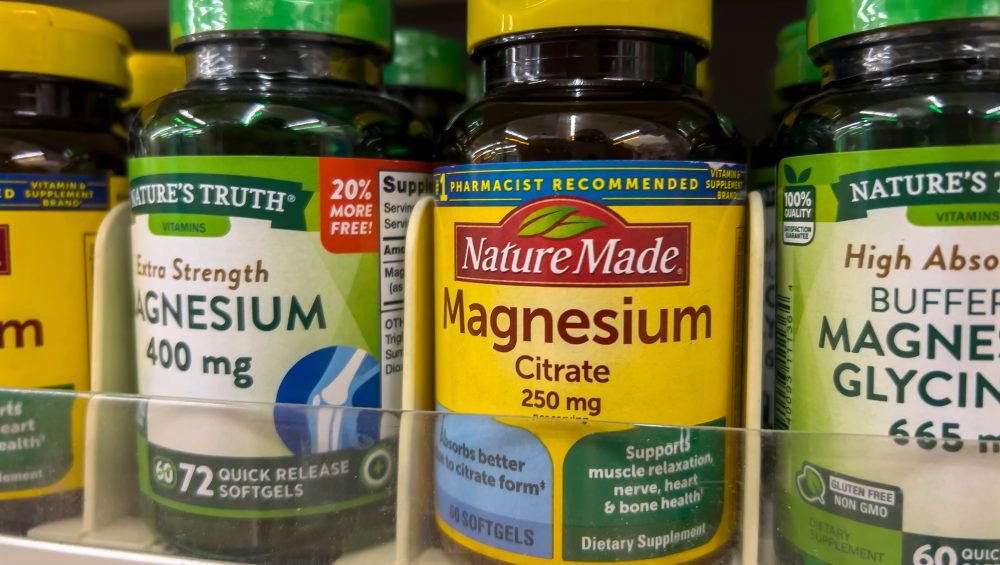
If you’re interested in taking magnesium supplements, talk to a doctor or healthcare professional before taking any. You should also read the label on magnesium glycinate products carefully to make sure that you’re not getting too much of any unwanted ingredients. Generally, the recommended magnesium dosage is 400 mg per day. However, the dosage may vary depending on your individual needs and health condition.

You should also be sure that magnesium glycinate is the right form of magnesium for you. Some magnesium supplements are not well absorbed by your body. If you’re unsure, it may be best to try magnesium citrate instead; magnesium glycinate is one of the most bioavailable forms of magnesium. This makes it easy for your body to absorb; it is also less likely to cause diarrhea or laxative effects than other forms. Magnesium glycinate products may also contain other vitamins and minerals to help with digestion.

In conclusion, magnesium glycinate is a great way to get your daily dose of magnesium. It is one of the most bioavailable forms. It can help with many health issues, from headaches to high blood pressure.

Consult your doctor before taking any supplements. Read the product label carefully to make sure that you’re getting the right dosage for yourself. With proper use, magnesium glycinate can be a great way to support your overall health.

Select the fields to be shown. Others will be hidden. Drag and drop to rearrange the order.
  • Image
  • SKU
  • Rating
  • Price
  • Stock
  • Availability
  • Add to cart
  • Weight
  • Dimensions
Compare
Shopping cart close