
5 Amazing Tips To Know About Alcohol And Your Skin

Alcohol has become an extremely unpopular skincare ingredient, even though it can be extremely helpful. At least some of that reputation is because people are still traumatized by whatever pungent, stinging toner they used in middle school. But even more of it is, sadly, straight-up misinformation. In this article, we will give you some surprising facts about alcohol and your skin.

First, we will take a look at how you can find the right alcohol for your skin. Next, we will discuss why alcohol is used in some cosmetics and how it can cause irritation. Then, we will cover how alcohol can be moisturizing and wrap up with some more facts. Once you have finished reading, you will know these surprising facts about alcohol and your skin.

1How To Find The Right Alcohol For Your Skin

It comes down to how much of which alcohol there is in a product, how you use it, and whether or not it’s suited to your skin type. Here are some basic ground rules to keep in mind. If you have very oily skin, you might want low molecular weight alcohol in a product because it can remove excess oil. But someone who has more sensitive skin might find that drying or irritating.

People with dry skin should look for products with higher molecular weight alcohol that give a more moisturizing feel, like cetyl and stearyl. Those with sensitive skin, especially those with eczema, should use caution when it comes to all alcohol. They may find that even those moisturizing, high molecular weight alcohols are irritating. In that case, stick with something like Vaseline or Aquaphor.

2Why It Is Used In Cosmetics

It’s common for cosmetics to use alcohols as either solvents or emulsifiers, and which one they use depends largely on molecular weight. Alcohols with low molecular weights, like isopropyl alcohol and ethanol (often listed as SD alcohol) or denatured alcohol (alcohol-denat on ingredient lists), can function as solvents. Encouraging ingredients that don’t want to dissolve in water do just that. They’re most often liquids and tend to evaporate pretty quickly.

That’s why lower molecular weight alcohols are so useful in achieving a specific product texture. Ingredients like isopropyl alcohol, alcohol denat or SD alcohol, methanol, and ethyl alcohol make a product feel lighter on the skin and dry quickly. They feel nice, especially if you have oily skin.
3Can Cause Irritation

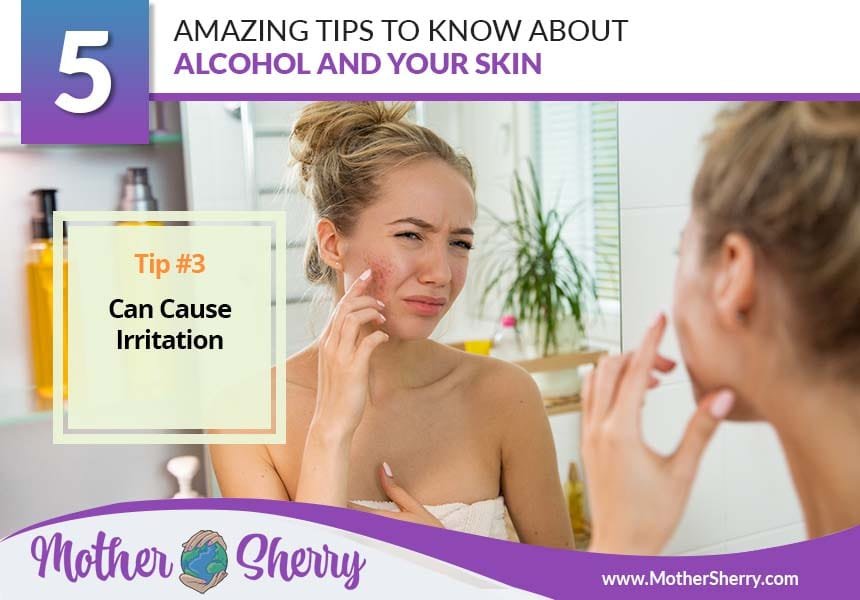
Using too much of either kind of alcohol can have some drawbacks. Solvent-type alcohols are great at increasing water solubility and evaporating quickly, but they can take some of the water in your skin with them when they do. The increased skin penetration they provide is great for active ingredients but not so great for potential irritants, like heavy fragrances and essential oils.

Even their ability to degrease a shiny nose can be problematic. Because they break down grease, solvent alcohols can break down the lipids in the outer barrier of your skin. A compromised stratum corneum can make your skin even more sensitive and irritation-prone than it already is. In high concentrations or with heavy use, solvent-type alcohols can be pretty drying and irritating.
4Can Be Moisturizing

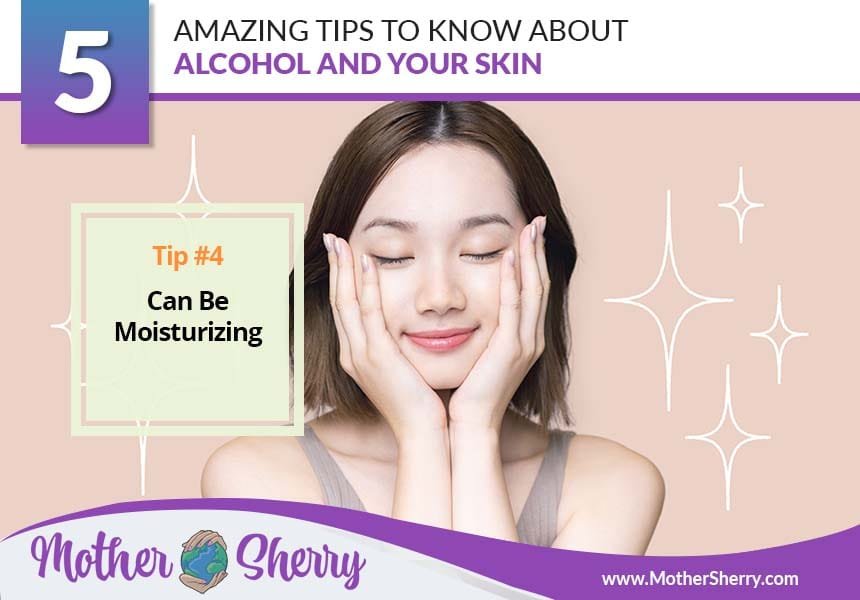
High molecular weight or “fatty” alcohols, like cetyl, stearyl, and cetearyl alcohol, mainly keep oil-and-water emulsions from separating. But they also add some extra emollience to the final product, which means that it helps make the outer layer of the skin feel smoother and softer. Typically, these alcohols are derived from the fatty acids in plant and vegetable oils, hence the term “fatty alcohols.” They’re thick, waxy, and often totally solid at room temperature.

Fatty alcohols, cetyl, stearyl, cetearyl, and behenyl, have the opposite effect of low molecular weight alcohols when it comes to how they feel on your skin. They make a product feel thick and luxurious, with a heavy texture. They can also act as a moisturizer. They help protect the skin, draw in a little bit of moisture, and enhance the natural lipid barrier. So if you see one of these listed on an ingredient list (like cetearyl alcohol in a moisturizer), that’s why it’s probably there.
5More Facts About Alcohol

For starters, there are about a zillion different kinds of alcohol. When you hear the word alcohol, your mind probably goes to one of two places: alcohol you drink or rubbing alcohol — neither of which sounds like something you want on your face. But in reality, that barely scratches the surface.

Alcohols are extremely diverse, encompassing everything from the fun part of wine to rubbing alcohol to retinol and beyond. All alcohols do share that hydroxyl group. But they can have vastly different structures with different molecular weights, and that’s what determines how each type of alcohol plays with your skin and other ingredients in a skincare product.
Even though it can be extremely helpful, alcohol has become an extremely unpopular skincare ingredient. People are still traumatized by whatever pungent, stinging toner they used in middle school. More of it is, sadly, straight-up misinformation. In this article, we gave you some surprising facts about alcohol and your skin.

First, we took a look at how you can find the right alcohol for your skin. Next, we discussed why alcohol is used in some cosmetics and how it can cause irritation. Then, we covered how alcohol can be moisturizing and wrapped up with some more facts. Now that you have finished reading, you know these surprising facts about alcohol and your skin.

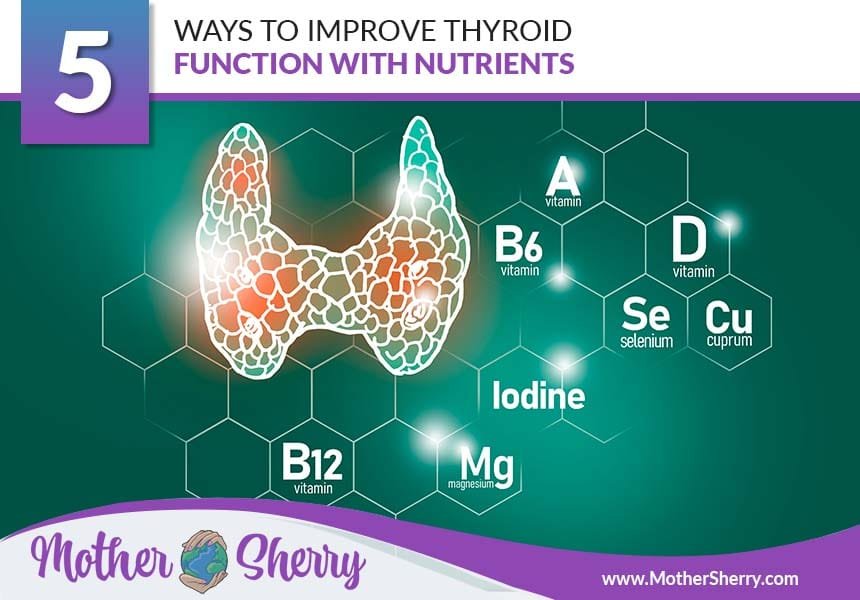
5 Ways To Improve Thyroid Function With Nutrients

Thyroid hormones regulate a variety of bodily processes, including metabolism, body temperature, heart rate, growth, and development. When the thyroid is malfunctioning, it can induce a range of health issues. In this article, we’ll show you six trace elements that may help support thyroid function.

To begin, we’ll look at how selenium and iron impact thyroid function. Next, we’ll examine fat-soluble vitamins and zinc since they may affect the performance of your thyroid gland. Then, we’ll speak about the significance of iodine in thyroid function.

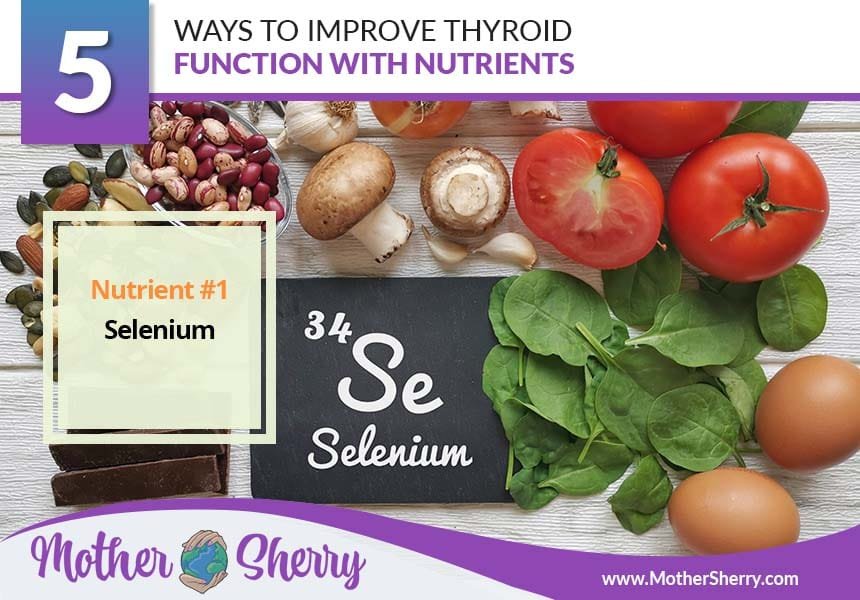
1Selenium

The recommended daily intake of selenium is 55 micrograms. Selenium is a mineral that is required for the proper functioning of the thyroid gland. It aids in the conversion of T4 to T3 as well as protects the thyroid from radiation and other pollutants. The thyroid gland controls the rate of metabolism in our bodies, which can be affected by a lack of selenium. Hypothyroidism is one possible result.

You might question if it’s safe to take selenium supplements if you have hypothyroidism. Many healthcare professionals recommend taking 200-300 micrograms of selenium daily if you are deficient or have hypothyroidism. However, always speak with your healthcare professional before taking any supplements.

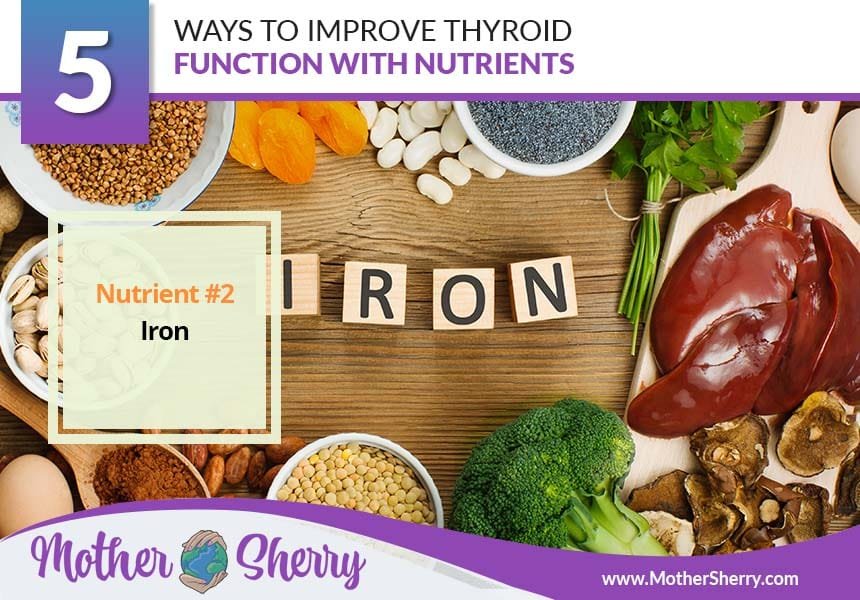
2Iron

Adult men and women require 18 milligrams of iron each day. Thyroid hormones are made from iron. It aids in the delivery of oxygen to cells, which is required for energy production. Hypothyroidism is a common consequence of an iron deficit.

If you have hypothyroidism, iron supplements are perfectly safe to use. Many healthcare experts advocate taking 30-60 milligrams of extra iron daily if you are low in iron or have hypothyroidism. Before taking any vitamins, however, always see your doctor.

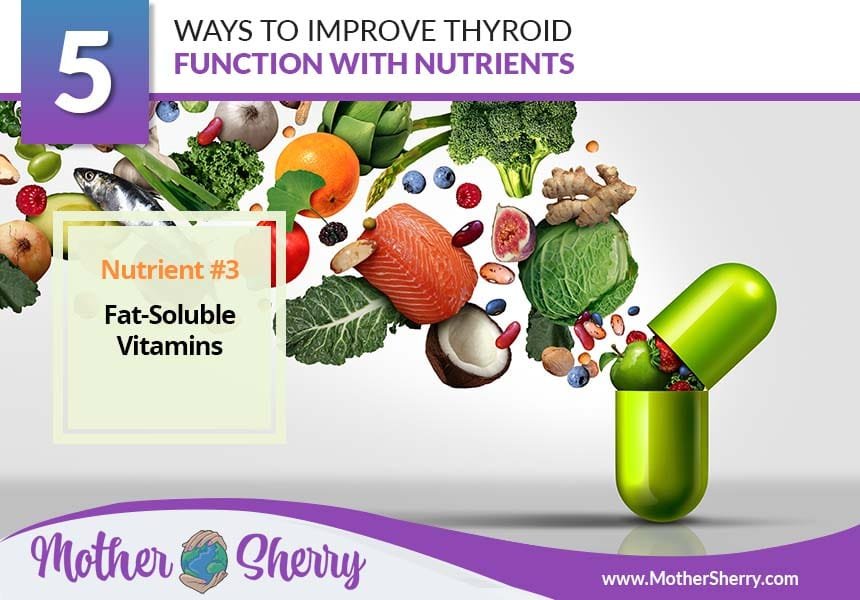
3Fat-Soluble Vitamins

The thyroid gland’s health is influenced by fat-soluble vitamins (A, D, E, and K). Thyroid hormones are produced with vitamin A, while vitamin D regulates the thyroid. Vitamin E protects the thyroid from radiation and other aggressors while also assisting in the uptake of thyroxine. Vitamin K is required for efficient thyroid hormone absorption. It’s better to get fat-soluble vitamins through food rather than supplements.

Vitamin A, D, or E supplements have been found in trials to improve thyroid activity. However, more research is required to verify whether vitamin therapies help with thyroid problems. Consult your doctor before taking fat-soluble vitamins.

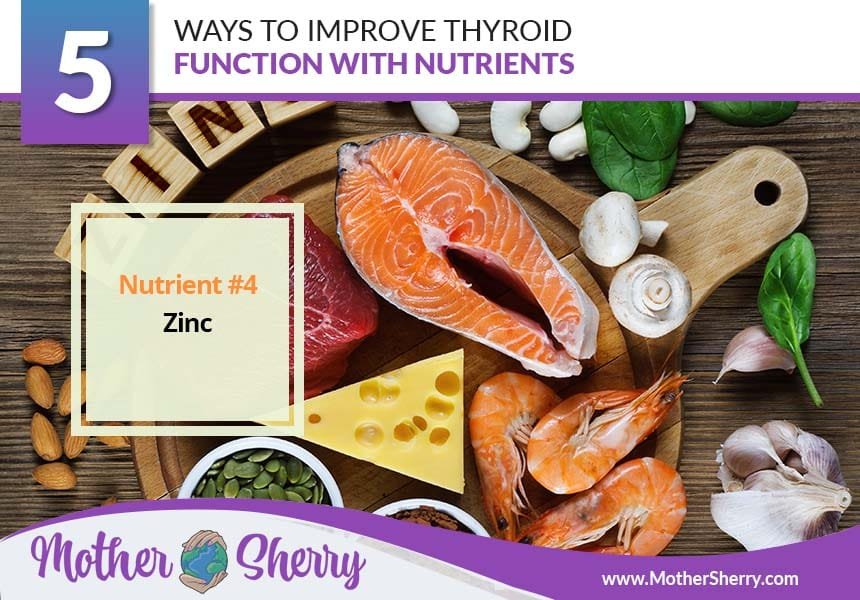
4Zinc

The RDI for zinc is 11 milligrams. Zinc is important for the production of thyroid hormones, among other things. It accomplishes this by assisting the body in transforming inactive thyroid hormone (T4) to its active form (T3). Hypothyroidism can cause low zinc levels, so eat plenty of zinc-rich foods to avoid this condition.

Research suggests that 13-15 milligrams of supplemental zinc daily may improve thyroid function and benefit those with hypothyroidism. However, consult your healthcare professional before taking any zinc supplements. Everybody is different, so you should consider your unique body chemistry.

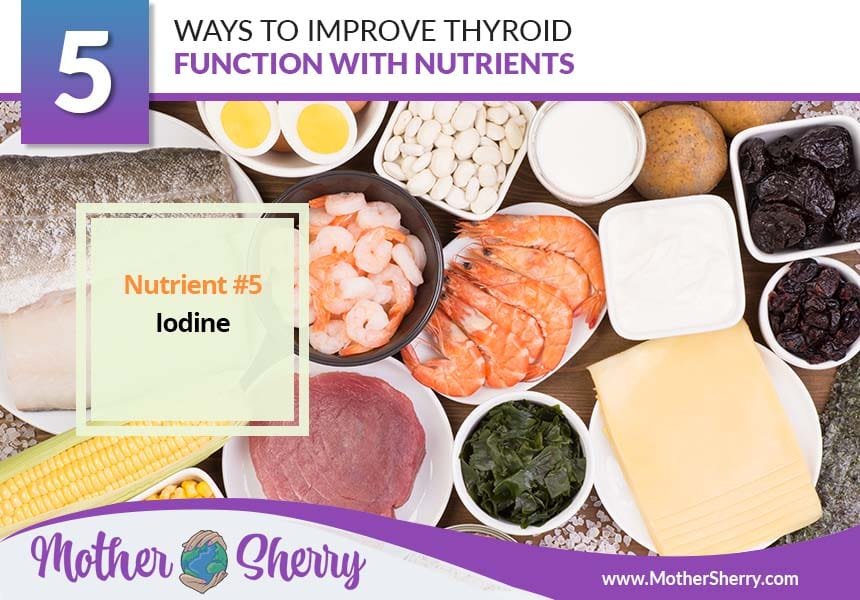
5Iodine

The recommended daily intake of iodine is 150 micrograms. Iodine is a mineral that is required for the proper functioning of the thyroid gland. It aids in the conversion of T4 to T3 as well as reduces damage from radiation and other pollutants in the thyroid gland.

Thyroid hormones contain iodine; deficiency in it can cause thyroid hormone dysfunction in people. On the other hand, too much of a good thing might be harmful. Supplemental iodine beyond what is required by the body may stifle the thyroid gland’s ability to produce hormones. To prevent this, most specialists advocate using kelp supplements under their doctor’s supervision and guidance.

Thyroid hormones control a variety of bodily functions, such as metabolism, body temperature, heart rate, growth, and development. When the thyroid is damaged, it can cause a variety of health problems. We showed you six trace elements that may help support thyroid function in this article.

To begin, we looked at how selenium and iron affect thyroid function. The next segment was on fat-soluble vitamins and zinc since they might impact your thyroid gland’s performance. Then, we discussed the role of iodine in thyroid activity. With this information, you can wisely choose which nutrient best fits your thyroid function needs.

4 Helpful Facts About Rheumatoid Arthritis

When the synovial membrane that lies within the capsule of a joint is the target of a misdirected immune system, it causes inflammation in the joints. This membrane produces gel-like synovial fluid, which is responsible for lubricating the joints. Without this fluid, smooth joint movement would be impossible. In this article, we will share with you valuable information about rheumatoid arthritis you need to take control of your health.

First, you will learn about the causes of rheumatoid arthritis. Next, you will learn about the management of rheumatoid arthritis. Then, we will cover the symptoms of rheumatoid arthritis and wrap up with the complications of rheumatoid arthritis. Once you have finished reading, you will know this valuable information about rheumatoid arthritis and be ready to take control of your health.

1Causes Of Rheumatoid Arthritis

Genes do not cause rheumatoid arthritis. However, scientists believe that some people are more susceptible than others to environmental factors. Infection, viruses, and bacteria are thought to be some of the factors that can trigger the onset.

Inflammation is the body’s natural reaction to arthritic diseases, causing pain, swelling, and heat. People with this progressive disease go through periods of increased activity called flares, followed by periods of relative remission when the swelling and pain fade or disappear. It is thought that smoking increases the risk in people who have a genetic predisposition to develop the disease, with symptoms appearing more severe. This disease can strike at any age. The onset is most common between the ages of 25 and 55, and around 57% of patients are women.

2Management Of Rheumatoid Arthritis

A physiotherapist can provide an activity moderation plan to help manage the pain as well as prescribe an exercise program to help keep the joints mobile and strong. Exercise will build up stamina and help maintain muscle strength and joint flexibility. This will help with pain management.

Complementary therapies, such as massage and acupuncture, may also provide relief from pain. Rest can help manage fatigue, and this is particularly important in times when flares occur and when the joints are red, sore, and swollen. If the joint is very painful or if there is a risk of losing overall function, surgery may become necessary.

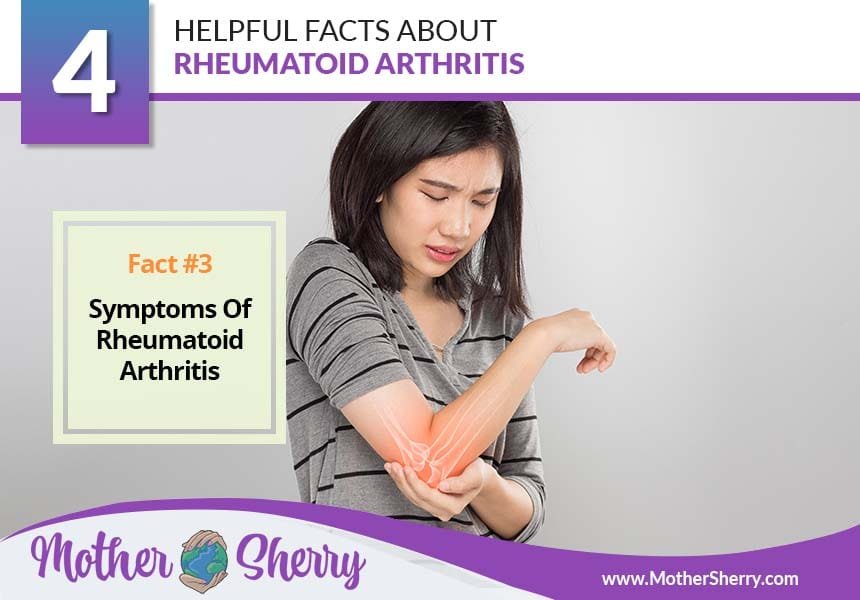
3Symptoms Of Rheumatoid Arthritis

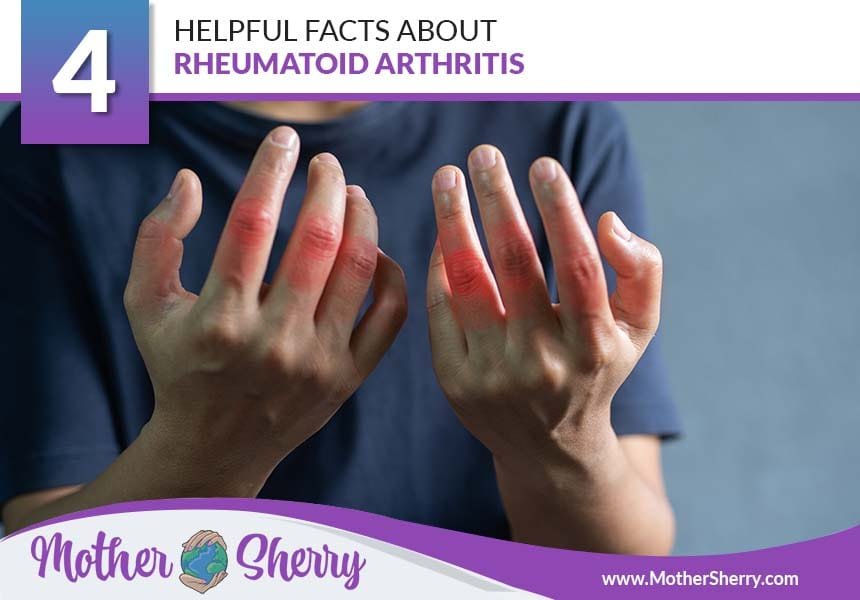
The most common symptom of rheumatoid arthritis is tender, swollen joints. It is usual for both sides of the body to be affected by the disease. Rheumatoid arthritis usually starts in the joints of the fingers, toes, and feet, and as the disease progresses, the pain and swelling often spread to the wrists, ankles, knees, elbows, hips, and shoulders. When the lining of the membranes has been damaged, the inflammation thickens the synovial membrane. This can eventually destroy the cartilage and the bone within the joint.

Sometimes, when the tendons and ligaments stretch and weaken, the joint gradually loses its shape and alignment. Sleeping difficulties because of the pain increase persistent fatigue, which is a common condition of this disease. Around 40% of people who deal with rheumatoid arthritis additionally have symptoms that do not involve the joints. A wide variety of body systems, including the lungs, heart, blood vessels, skin, and eyes, can be affected.

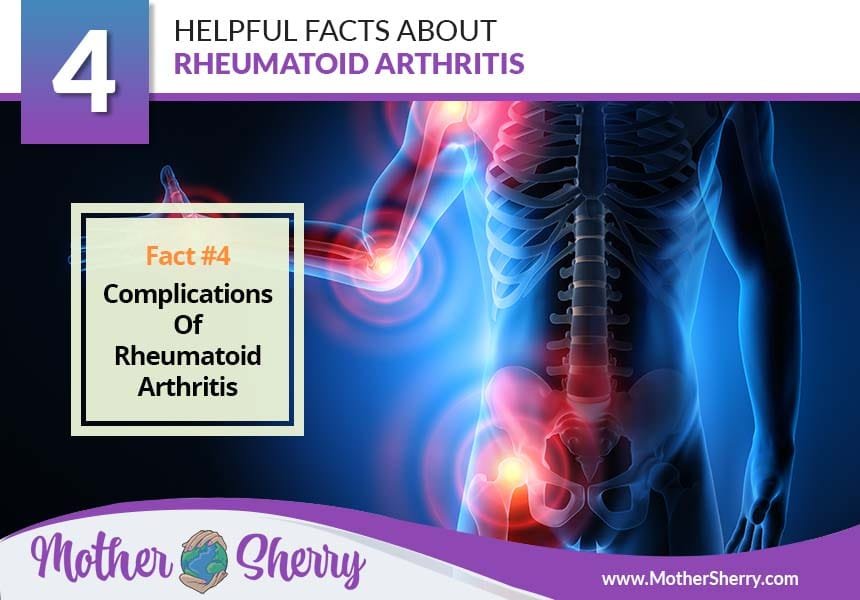
4Complications Of Rheumatoid Arthritis

Medication for rheumatoid arthritis and the disease itself can further impair the immune system, leading to an increased risk of infection. Medication and the disease itself can also pose a greater risk of osteoporosis occurring. There is an increased risk of experiencing Sjögren syndrome, a disorder that decreases the moisture in the eyes and mouth.

There is also a greater risk of inflammation and scarring of the lung tissue, which can lead to progressive shortening of the breath. If rheumatoid arthritis has affected the wrists, it can lead to carpal tunnel syndrome. This syndrome causes inflammation to compress the nerves that serve most of the hands and fingers. In some cases, the heart is affected, increasing the risk of hardened and blocked arteries and inflammation of the sac that encloses the heart.

Inflammation in the joints occurs when the synovial membrane that lies within the capsule of a joint is the target of a misdirected immune system. The gel-like synovial fluid this membrane produces is responsible for lubricating the joints. The smooth joint movement would be impossible without this fluid. In this article, we shared with you valuable information about rheumatoid arthritis you need to take control of your health.

First, you learned about the causes of rheumatoid arthritis. Next, you learned about the management of rheumatoid arthritis. Then, we covered the symptoms of rheumatoid arthritis and wrapped up with the complications of rheumatoid arthritis. Now that you have finished reading, you know valuable information about rheumatoid arthritis, and you’re ready to take control of your health.

5 Amazing Ways Turmeric Root Powder Can Benefit Health

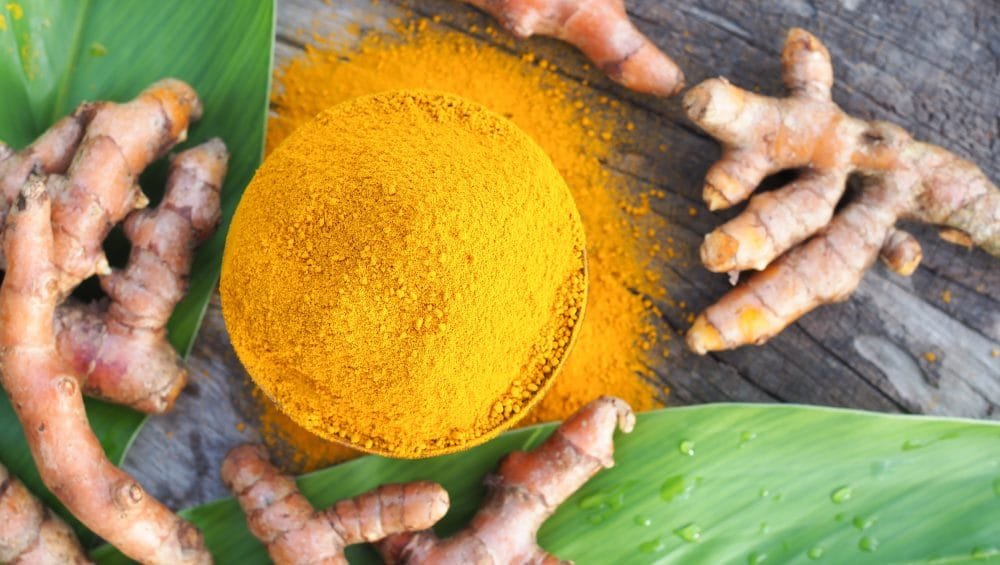
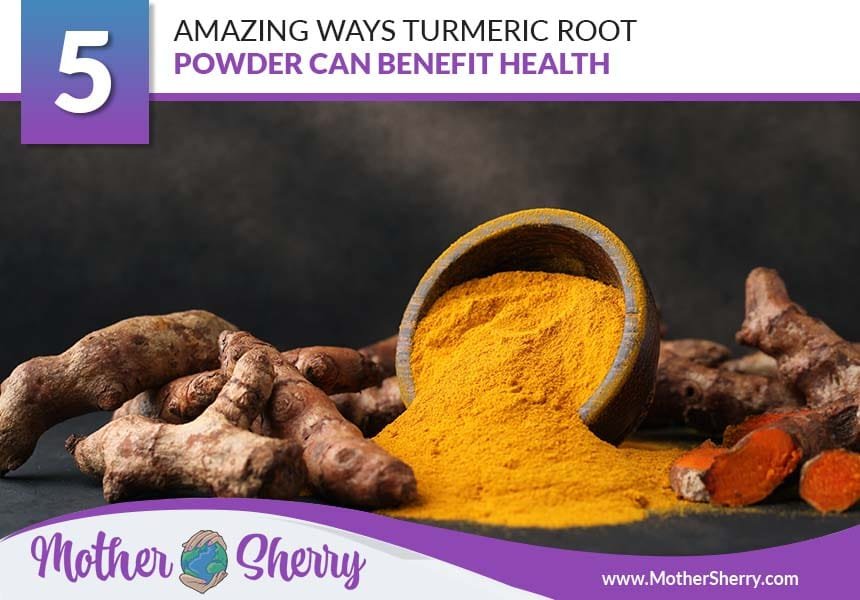
The turmeric root powder is a popular spice that has several health advantages. Turmeric contains curcumin, which has anti-inflammatory, antioxidant, and anticancer effects, according to the studies. We’ll go over five of the health advantages of turmeric root powder in this article.

The turmeric root powder is beneficial in a variety of ways, and the spice should be included in everyone’s diet. Turmeric may reduce inflammation, oxidative stress, pain, heart disease, depression, and even cancer. First, we will discuss how turmeric root powder can lessen pain, help fight depression, and improve memory. And finally, we will talk about how the spice can lessen inflammation and lower the risk of heart disease. After reading this article, you will be eager to utilize turmeric root powder’s health advantages.

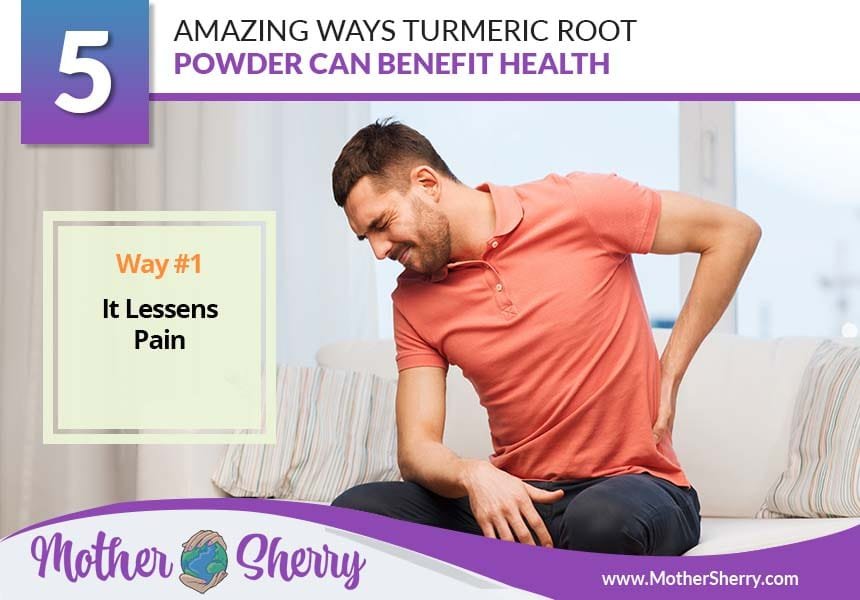
1It Lessens Pain

Turmeric root powder has been found to help with the pain. In a study published in the Phytotherapy Research journal, people who took curcumin supplements had reduced pain levels and enhanced functional ability. Curcumin may aid in the reduction of inflammation and the inhibition of pain signals.

Turmeric root powder contains curcumin, which has anti-inflammatory effects and may be utilized to reduce pain. Turmeric is used to cure arthritis and other inflammatory problems by many people. The active components in turmeric root powder have anti-inflammatory properties and can be utilized to alleviate pain.

2Helps Fight Depression

Depression is a widespread mental illness that can lead to issues such as anxiety, stress, and addiction. Curcumin has been shown in studies to be helpful in the treatment of depression. It aids in the increase of serotonin levels, a neurotransmitter that is critical for mood management. Curcumin may aid in the alleviation of symptoms of depression while lowering the risk of suicide.

Turmeric contains curcumin, which is a natural component that can help you battle depression. It has been demonstrated to raise serotonin levels in the brain and has no negative side effects. It’s been used for thousands of years and has several health advantages, including the ability to alleviate sadness.

3It Improves Memory

Curcumin has also been found to aid in improved memory. In a study published in the journal Phytotherapy Research, people who took curcumin supplements had enhanced memory and attention span. Turmeric’s active component, which helps protect the brain from age-related damage and enhances cognitive performance, may be helpful.

Curcumin has been studied in mice and people, and the findings are encouraging. Researchers administered two grams of curcumin or a placebo to human participants for 30 days in a 2012 study. It improves memory recall, attention span, and sense of spatial awareness.

4It Lessens Inflammation

Turmeric root powder has been found to decrease inflammation. Inflammation is the body’s natural response to injuries or infections, but persistent inflammation can lead to health issues, such as heart disease, arthritis, and cancer. Curcumin, the active component in turmeric, has anti-inflammatory effects that may help reduce inflammation.

Knowing what you should and shouldn’t do with turmeric root powder might help you make better decisions based on knowledge. The turmeric root powder is an effective anti-inflammatory. It can aid in the relief of joint pain and swelling as well as the severity of cold or flu symptoms. It may also help prevent heart disease.

5Lowers The Risk Of Heart Disease

The number one cause of death in the United States is heart disease. Curcumin has shown promise in preventing heart disease. It aids in the reduction of cholesterol levels, inflammation, and blood clots.

Turmeric appears to have a beneficial influence on heart health. According to recent study findings, curcumin, which is the main active component in turmeric and curry, may help prevent heart disease. Curcumin has been found to lower blood pressure, combat inflammation, and stop cholesterol from being oxidized.

The turmeric root powder is a well-known spice that has been used for many years. Curcumin, the main component in turmeric, has been found to have anti-inflammatory, antioxidant, and anticancer effects. We discussed five health advantages of turmeric root powder in this post.

The turmeric root powder is a powerful antioxidant and has been shown to help prevent and treat many diseases. The spice should be incorporated into everyone’s diet, according to the available research. Turmeric may aid in the treatment of arthritis, inflammation, free radicals, pain, heart disease, sadness, and even cancer. First, we discussed how turmeric root powder lessens pain, helps fight depression, and improves memory. And finally, we talked about how the spice can lessen inflammation and lower the risk of heart disease. You can now take advantage of the health advantages of turmeric root powder now that you’ve read this article.

Select the fields to be shown. Others will be hidden. Drag and drop to rearrange the order.
  • Image
  • SKU
  • Rating
  • Price
  • Stock
  • Availability
  • Add to cart
  • Weight
  • Dimensions
Compare
Shopping cart close