Free domestic shipping for orders over $99.

5 Health Benefits Of Garlic

Garlic has been eaten as food for millennia. It’s frequently used in dishes from across the world, and it’s the main component in many of them. But garlic isn’t just tasty! Garlic is full of health advantages that you might not have known about before. In this article, we’ll be going over five ways garlic can improve your health.

Garlic may be added to any recipe to enhance its flavor. Did you know, however, that it has seven verified health benefits? In this article, we will discuss garlic’s health advantages and how it may assist with cancer prevention, digestion, heart disease prevention, and more.

1Lowers Blood Pressure

High blood pressure is a common problem that can lead to heart disease or stroke. Garlic is a member of the Allium family, which also includes onion and leek. Garlic belongs to the same genus as onions and leeks, in the mustard family. Gallic acid has been shown to lower blood pressure in humans with hypertension.

Garlic is a great choice for those with hypertension. In addition to reducing blood pressure, it may also help improve cholesterol levels and reduce the risk of heart disease. You can simply add garlic to your food or take garlic supplements to get these benefits.
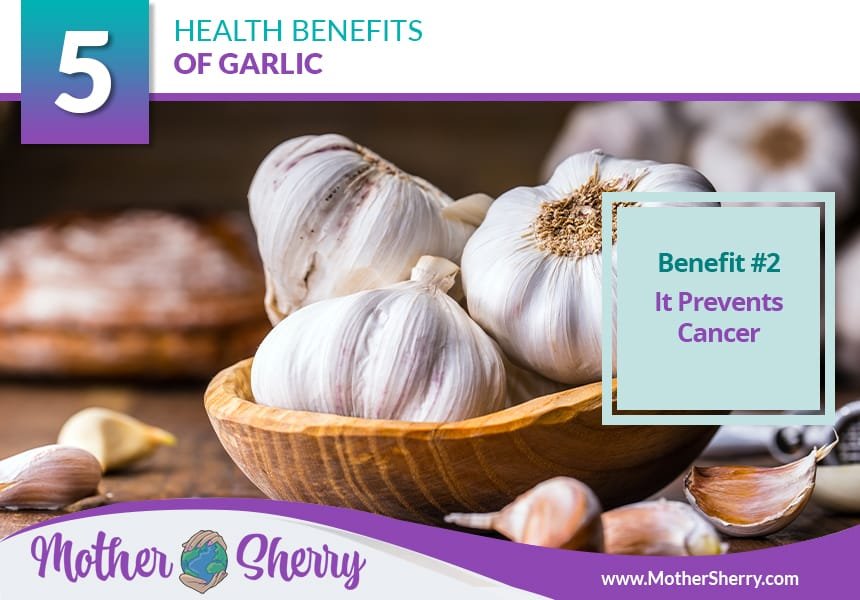
2It Prevents Cancer

Garlic is known to have anti-cancer effects. It kills cancer cells and inhibits the creation of new cancer cells, according to studies. Garlic’s benefits include stomach and colorectal cancer prevention.

Garlic has shown promise as a cancer therapy in several studies. In vitro, garlic’s active component was found to stop pancreatic cancer cell growth. Aged garlic extract was also found to inhibit breast cancer cell proliferation in one study. Garlic oil also showed potential against leukemia cells in another research. All of this research suggests that garlic is a viable cancer therapy and prevention agent.

3It Fights Infections

Garlic is a potent natural antibiotic that may aid in the treatment of infections. It fights a wide range of illnesses, including the common cold, flu, and even HIV. Garlic is also antiseptic.

Garlic is a great choice for those looking to boost their immune system. It is a natural antibiotic that can help fight off a variety of infections. Garlic is also antiseptic, meaning it can help prevent the spread of infection. If you are feeling under the weather, garlic may be able to help.

4It Aids Digestion

Garlic is a natural antibiotic that aids digestion by killing germs in the stomach. Garlic also aids digestion by stimulating gastric secretion. Garlic is particularly beneficial for people who suffer from digestive issues, such as constipation or diarrhea.

Garlic is beneficial for people with digestive problems. Garlic is a natural antiseptic that aids in the eradication of stomach germs. It also promotes gastric secretion, which may help improve digestion. If you have constipation or diarrhea, garlic may be able to assist you.

5Prevents Heart Disease

Garlic is effective at preventing heart disease. It helps lower bad cholesterol levels and blood pressure, which reduces the risk of heart disease. Garlic also has anti-inflammatory effects, which can help protect the heart from damage.

Garlic is a great choice for those looking to protect their heart. In addition to reducing bad cholesterol and blood pressure, garlic can also help reduce inflammation. This can help prevent damage to the heart and may help improve heart health overall.

Garlic has been consumed as a food for thousands of years. It’s frequently used in cuisines from across the world, and it’s often the major ingredient. Garlic isn’t just delicious! Garlic contains several health benefits that you may not have known about previously. In this post, we looked at five health benefits of garlic.

Garlic, like other alliums, has a long history of use in cooking. Garlic may be used to enhance the taste of any dish. Did you know, however, that garlic contains seven proven health benefits? We looked at garlic’s health benefits in this article.
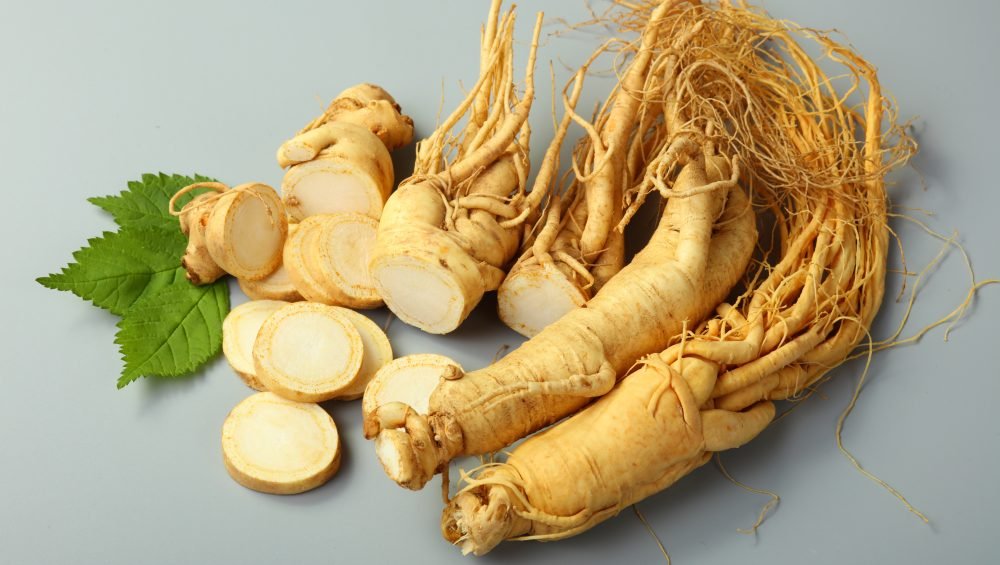

6 Incredible Ways Ginseng Benefits Health

Panax ginseng or herbal extract ginseng is a well-known natural cure. It’s still widely used today to treat tiredness, stress, and even cancer! Ginseng has immunomodulating qualities that can help your body fight infections.

First, you’ll learn how ginseng lowers blood pressure and fights cancer. Next, we’ll talk about how it naturally relieves stress and reduces inflammation. Then, we will take a look at boosting energy levels and wrap up with aiding digestion. You’ll be able to take advantage of the numerous health benefits of ginseng.

1Lowers Blood Pressure

High blood pressure is a major health problem in the United States. It has been linked to heart disease, stroke, and even death. Ginseng has been proven to help reduce blood pressure by relaxing blood vessel walls and vascular muscles. This allows your heart to pump more blood throughout your body easier.

Ginseng is a wonderful herb for those who have high blood pressure. Ginseng relaxes the arteries and vascular muscles, making it easier for your heart to pump blood throughout your body. If you’re having trouble with high blood pressure or elevated blood pressure readings, this will help you lower them.

2It Fights Cancer

Research suggests that ginseng may have anti-cancer qualities by inhibiting cancer cell development. Ginseng inhibits the nuclear factor kappa B (NF-kB) activation, a protein complex that regulates cell growth and survival. If your body is experiencing an abnormally high level of activity, NF-kB is a protein complex that controls cell growth.

Taking supplements might help eliminate cancer-causing chemicals, such as cell division, allowing your immune system to function properly. Ginseng can also help with bacterial or other infection-induced inflammation. It makes it simpler for antibiotics and anti-inflammatory medications to operate.

3Naturally Relieves Stress

When you’re anxious, your body generates cortisol, a stress hormone that can have serious health consequences. Ginseng helps lower cortisol levels in your circulation. This might help reduce your blood pressure while making you feel better overall.

Excess cortisol is harmful to your health; therefore, it’s important to discover a way to eliminate it. Ginseng is one such alternative. For a soothing approach to reducing stress, enjoy ginseng tea.

4It Reduces Inflammation

Inflammation is an immunological reaction to injury or infection. It may be beneficial in the short term, but if it persists, it can lead to health problems such as arthritis, heart disease, and even cancer. Ginseng has been found to lower inflammation by blocking inflammatory cytokine production.

It also means that your immune system will not be overactivated by minor injuries or illnesses. Ginseng may assist you if you’re having difficulty with a lot of inflammation. The herb has been found to lower the production of inflammatory cytokines, which can help keep your immune system from overreacting and causing more damage than good.

5Boosts Energy Levels

Ginseng is powerful daytime energy and motivation cure. Ginseng stimulates the adrenal glands, causing increased amounts of excitatory hormones, such as adrenaline and cortisol. These chemicals provide us with greater vitality all over our bodies rather than just on our arms and legs. This implies that we’ll wake up feeling revitalized without having to drink coffee to get it.

Ginseng is a well-known herb for boosting adrenal function. It increases the production of stimulating hormones, like epinephrine and norepinephrine, in the body to help you think more clearly. It gives you more energy. Chinese herbalists have used ginseng for thousands of years to stimulate hormone production.

6It Aids Digestion

Ginseng can assist with the digestion of food if you have difficulties digesting it. The herb has been shown to enhance the formation of digestive enzymes and acids, like hydrochloric acid. These aid with the breakdown of food in your body.

Ginseng can assist with digestion by promoting the synthesis of digestive enzymes and acids. It improves the production of digestive enzymes and acids, allowing your body to break down food more effectively so that it may be absorbed into your circulation. This will aid with the regularity of bowel motions while also alleviating symptoms caused by gastrointestinal issues.

Ginseng is a centuries-old natural plant that has been utilized in traditional medicine for ages. It’s still used today to fight tiredness, stress, and even cancer, but it was banned from sale in the United States as a dietary supplement in 2015. Ginseng can help you live longer by boosting the body’s immune response. Ginseng root is a type of ginseng grown in the wild; it’s high in chemicals that improve the body’s resistance to illness. We’ve listed several great health advantages of ginseng for you in this article.

First, you learned how ginseng lowers blood pressure and fights cancer. Next, we talked about how it naturally relieves stress and reduces inflammation. Then, we took a look at boosting energy levels and wrapped things up with aiding digestion. You now can make use of the excellent health benefits of ginseng.

5 Medical Screenings You Should Get As You Age

As you grow older, you should begin looking into medical screenings that are considered must-have tests for your age group. Those who are over fifty years old have to pay closer attention to blood pressure, cholesterol, and a large amount of other crucial functions of your body. Although some of these screenings may not be something you want to do, getting the right tests done can help catch problems early and lead to a longer and healthier life.

In this article, we’ll discuss five of the most vital screenings that you should make sure to get when you’re getting older. First, we’ll discuss cholesterol screening and colonoscopy. Then, we’ll talk about getting a bone density test and mammogram. Finally, we’ll talk about getting a pap smear.

1Cholesterol Screening

One of the most important tests, a cholesterol screening, should not be omitted from a physical checkup. Men are more prone to high cholesterol, but studies show that women over the age of fifty tend to develop high cholesterol over the years. It can also be genetic, so make sure to take extra caution if there’s a history of it in your family.

High cholesterol is one of the leading causes of heart attacks and strokes. This makes it one of the most essential tests on this list. As you grow older, make sure that your cholesterol levels are checked periodically.

2Colonoscopy

Getting a colonoscopy is never high on anyone’s to-do list, but it should be. A colonoscopy is a test often used to search for colon cancer in both men and women. Even if you don’t want to, it is a necessary test to schedule.

It also allows for a doctor to see any subtle bleeding that may be occurring without your knowledge. For males, a colonoscopy can also alert their doctor if they have prostate cancer. It’s a very essential test and should be high on your priority list.

3Bone Density Test

As you age, your bones can weaken and begin to lose density. This is why you must take a bone density test as you grow older. This test is usually recommended for men and women who are over sixty, but if you’re at a higher risk, it may be needed before that age.

One of the high-risk factors is osteoporosis, a condition where bones become brittle. When you have osteoporosis, you’re more likely to fracture or break bones, making a bone density test even more essential. With this condition, a fall can be more serious when you’re older.

4Breast Exams

As you get older, it’s crucial that you don’t slack on breast exams. Starting at the age of forty, women should have regular mammograms done once a year. However, some doctors advise it less frequently now.

The risk of breast cancer increases with age, so skipping out on breast exams and mammograms can cause a serious health risk. It’s also genetic and can be common throughout families. If you have a family history of breast cancer, your doctor may suggest an exam twice a year instead of just once.

5Pap Smear

For women, a pap smear may be just as important as a breast exam or mammogram. Women in their fifties and sixties are just as susceptible to cervical cancer as young women are. Make sure that you’re having this test taken as recommended.

Pap smears are recommended for women every two years regardless of whether or not they’re sexually active. These screenings aren’t just for cancer. They can also help your doctor check for irregular bleeding or other problems.

Now, we’ve talked about five of the most vital medical tests you should make sure to get as you age. First, we covered cholesterol screening and colonoscopy. We followed it up with getting a bone density test and mammogram. Finally, we discussed getting a pap smear.

Medical screenings are never particularly fun. But they’re vital for making sure that you stay healthy and live a long and happy life. So make sure that you always have the most important medical tests and screenings scheduled as needed.

7 Reasons You May Have Pruritus

Pruritus is the feeling of incessant, uncontrollable itching. The exact causes of pruritus can be hard to pin down, as it can affect anyone with any type of skin. Some people are more susceptible to the condition, such as those with seasonal allergies (hay fever, asthma, and eczema), pregnant women, people with diabetes or HIV/ AIDS, and the elderly. In this article, we will share with you the common causes of pruritus.

First, we will take a look at psoriasis and liver or kidney problems. Next, we will discuss allergies, measles, chickenpox, and other viral infections. After that, we will talk about bug bites, parasitic infections, and pregnancy and wrap up with dry skin. Once you have finished reading, you will know the common causes of pruritus.

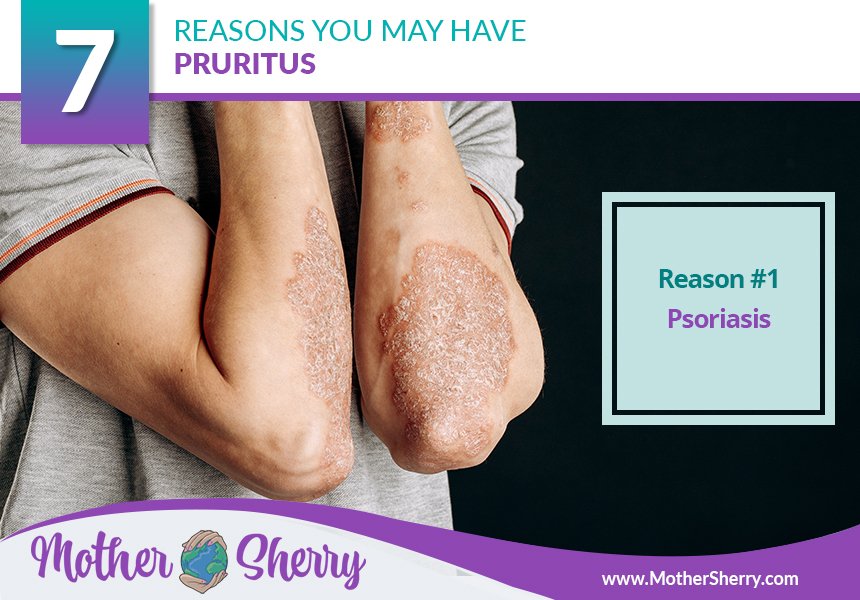
1Psoriasis

Psoriasis isn’t completely understood but is an immune-mediated condition where the skin cells grow unusually fast. This results in lesions and rashes that can be itchy. Pruritus affects about 60-90% of patients with psoriasis.

Psoriasis is a chronic autoimmune condition that can lead to skin rashes, scaly patches, and other skin changes. Itching is a common symptom of psoriasis. Some people with psoriasis experience intense itching, and scratching increases the risk of infection.

2Liver Or Kidney Problems

Liver conditions, including cirrhosis, cholestasis, non-alcoholic fatty liver disease, and drug-induced liver damage, often cause pruritus. This type of itch usually gets worse at night. It can also be exacerbated by heat, hormonal changes, or contact with wool. Kidney failure can also be an underlying cause of pruritus.

Pruritus is a common comorbidity in chronic liver disease and kidney disease. Some patients frequently complain of pruritus despite having no rash or skin findings. Patients with chronic liver disease develop a systemic itch that significantly impairs activity and sleep.

3Allergies

Allergies are a common cause of pruritus. They can stem from reactions to pollen, food, and certain substances. They cause the release of histamine and other chemicals in the body, which can lead to intense itch.

Hives are raised with itchy red welts or bumps. Contact dermatitis can trigger them, but allergic reactions to insect bites, medications, and foods can also bring on a reaction. Hives tend to appear right away, and they fade within a few hours or days.

4Measles, Chickenpox, And Viral Infections

Chickenpox and measles, two highly contagious viral infections usually associated with childhood, can cause temporary pruritus. Measles produces a body-wide rash that typically begins on the face and spreads downward toward the feet. Chickenpox, on the other hand, produces hundreds of itchy blisters that start on the chest and back and spread to the other parts of the body.

The itching associated with these viral infections lasts for a few days to a week. It subsides when the person recovers. Other viruses, like HIV, shingles, and hepatitis C, can also cause excessive itching.

5Bug Bites And Parasitic Infections

Bug bites are fairly common and can result in redness and swelling around the area of the bite. Parasites, like pinworms, lice, or scabies, are also common causes of persistent itching. Bites from fleas, mites, and mosquitoes tend to cause itching rather than pain.

An insect bite or sting often causes a small, red lump on the skin, which may be painful and itchy. Many bites will clear up within a few hours or days and can be safely treated at home. Seek immediate medical attention if a sting causes substantial swelling beyond the site of the sting, swelling in the face, eyes, lips, tongue, or throat, dizziness, or trouble breathing or swallowing. You’ll feel ill after being stung ten times or more at once.

6Pregnancy

About 20 percent of pregnant women experience pruritus. While in most cases it’s due to dry skin, there can be other more serious underlying causes. One of these causes is intrahepatic cholestasis of pregnancy (ICP), which results in a change in bile flow from the liver.

This condition usually begins in the second or third trimester. The disruption in bile flow causes skin lesions and severe itching, especially at night. If not treated, ICP could cause harm to the developing fetus.

7Dry Skin

Dry skin or xerosis can occur for several reasons. Some of these include normal aging, inflammatory skin diseases, the use of harsh soaps or detergents, dry weather conditions, and bathing too frequently. It can also be caused by conditions like diabetes.

Dry skin, eczema, and hives can cause itching all over your body. Contact dermatitis is another cause of all-over itching. Itchy skin without a rash is a less common symptom of iron deficiency anemia. However, it may occur due to the lack of iron in your blood, which takes a toll on your skin. Iron deficiency anemia can be treated by taking iron supplements and eating more iron-rich foods.

You or someone you love may be suffering from the feeling of incessant, uncontrollable itching. This is called pruritus. It can affect anyone with any type of skin, and the exact causes of pruritus can be hard to pin down. Those with seasonal allergies (hay fever, asthma, and eczema), pregnant women, people with diabetes or HIV/ AIDS, and the elderly are more susceptible to the condition. In this article, we shared with you the common causes of pruritus.

First, we took a look at psoriasis and liver or kidney problems. Next, we discussed allergies, measles, chickenpox, and other viral infections. After that, we talked about bug bites, parasitic infections, and pregnancy and wrapped things up with dry skin. Now that you have finished reading, you know the common causes of pruritus.

4 Amazing Uses Of Angelica Seed Essential Oil

Angelica is cultivated and used in many European countries as well as in China for its medicinal properties. The seeds, best gathered on a dry day after the sun has dried the dew, are used along with the leaves in teas and tisanes. The stems and roots are used, too. The former should be cut in late spring or early summer, and the latter should be dried as quickly as possible so that they retain their medicinal properties and stored in hermetically sealed brown glass jars. Dried roots are wrinkled and brown and have a very pleasant aromatic odor of benzoin, pepper, and musk.

All parts of the plant have been used over the centuries for many purposes. A third-century Chinese physician wrote, “When I tell the common people that angelica and peony can cure colic, they doubt or deny it and prefer to believe in wizardry.” John Gerard, herbalist to James I, attributed many virtues to angelica, and during the plague of 1660, angelica stems were chewed as a preventative measure against infection, and the seeds and roots were burned to purify the air. The same measures had been prescribed by Paracelsus some 150 years earlier during an epidemic in Milan.

In this article, we will discuss how angelica seed essential oil fights off infection and reduces fever. Then, we will take a look at how the oil helps calm the nerves. Finally, we will discuss stimulating blood flow and wrap up with promoting the secretion of sputum. Once you have finished reading, you will be aware of the ways angelica seed essential oil benefits your body.

1Fights Infection And Reduces Fever

Angelica essential oil is capable of reducing fever by fighting the infections that cause fever. The diaphoretic and diuretic properties of this oil also contribute to this effect. The removal of toxins and waste from the body speeds up the recovery time of infections.

Perspiration also helps reduce fevers. It is a good idea for the oil to stay covered up to help the body perspire. This will aid in reducing fever.

2Calms The Nerves

This oil also acts as a tonic for the nerves. It is effective in treating nervous afflictions and disorders and in strengthening the nerves. This, being a relaxant and a stimulant at the same time, sedates the nervous afflictions and relaxes them in cases of shock and hyperreactivity while also stimulating them to make you more active and alert.

This oil is great for people who deal with nervous conditions. It relaxes the nerves and allows the body to remain relaxed. It is an alternative to prescription medications for nervous conditions.

3Stimulates Blood Flow

This oil also triggers the opening of obstructed menstruation and makes it more regular. As a bonus, one gets relief from the other symptoms associated with periods as well. These symptoms include headaches, abdominal cramps, nausea, vomiting, and fatigue.

Angelica seed oil is great for women who experience severe cramping during their periods. This eases the symptoms. Angelica, as an emmenagogue, makes that dreaded time of the month much easier.

4Promotes The Secretion Of Sputum

Being an expectorant, the essential oil of angelica clears out the accumulation of phlegm in the respiratory tract It also fights the infections that cause colds. Angelica essential oil gives relief from a cough, cold, sinusitis, and congestion in the lungs.

It is wonderful when you just can’t stay in bed while sick. It allows you to get up and carry on when you have a cold. Everyone knows that life doesn’t stop when you are sick.

Angelica is a plant that belongs to a family of about 60 species and is found in temperate and sub-arctic regions. It is found as far south as China and as far north as Iceland, but it is original from Hungary. The plant has been in use for its medicinal properties for centuries in various cultures, such as Chinese and northern European countries. According to legend, the reason it got the name angelica is that the angel Gabriel told humans of its medicinal value; therefore, it got its Greek name “arkhangolos.” It is known by a few other common names, such as holy ghost, wild celery, and Norwegian angelica.

In general, angelica can be used for rheumatic conditions, virus infections, smoker’s cough, indigestion, flatulence, colic, and urinary infections or issues. It is also an emmenagogue, a blood cleanser, and can help the symptoms of PMT and menopause. It is a remarkable healer for scars, wounds, and bruises.

In this article, we discussed how angelica seed essential oil fights off infections and reduces fever. Then, we took a look at how the oil helps calm the nerves. Finally, we discussed stimulating blood flow and wrapped up with promoting the secretion of sputum. Now that you have finished reading, you are aware of the ways angelica seed essential oil benefits your body.

Select the fields to be shown. Others will be hidden. Drag and drop to rearrange the order.
  • Image
  • SKU
  • Rating
  • Price
  • Stock
  • Availability
  • Add to cart
  • Weight
  • Dimensions
Compare
Shopping cart close