
Free domestic shipping for orders over $99.

The Benefits of Cellulose: Everything You Need to Know

Did you know that the average person has around 60,000 thoughts per day? And out of those 60,000 thoughts, a vast majority of them are the same ones we had yesterday and the day before. This is because our brains are hardwired to conserve energy by using the same pathways over and over again. Unfortunately, this also means that we can get stuck in ruts and never really get out of them.

But what if there was a way to break free from those ruts and unleash our creative potential? Well, there is – and it’s called cellulose. Cellulose is a natural carbohydrate found in fruits, vegetables, grains, and legumes that have been shown to boost creativity and help us think more freely. In this article, we will explore the benefits of cellulose and show you how you can add more of it to your diet; we will also answer some frequently asked questions about this amazing nutrient. So read on to learn more!

What Cellulose Is And Where You Can Find It

Cellulose is a natural carbohydrate found in fruits, vegetables, grains, and legumes. It is important for human health because it helps the body break down food and extract the nutrients it needs. Cellulose is also a great source of energy, and it has been shown to boost creativity and help us think more freely. In addition, cellulose is packed with antioxidants, which can help protect the body against diseases.

You can find cellulose in a variety of foods, including fruits, vegetables, grains, and legumes. Some of the best sources of cellulose include apples, carrots, broccoli, whole-grain bread, and kidney beans. By adding more of these foods to your diet, you can boost your intake of this essential nutrient.

The Benefits Of Cellulose

So what are the benefits of cellulose?

  1. Cellulose helps the body break down food and extract the nutrients it needs. This is because cellulose binds to water and forms a gel that helps slow down digestion. This gives the body time to extract all the nutrients from food.
  2. Cellulose is an amazing source of energy. It provides four kcal per gram, which is similar to other carbohydrates, like glucose or maltodextrin. This means that it can be a good source of energy for athletes or people who are active throughout the day.
  3. Cellulose boosts creativity and helps us think more freely. This is because it helps stimulate different parts of the brain and encourages new connections between the neurons. This can lead to new ideas and innovations.
  4. Cellulose is packed with antioxidants, which can help protect the body against disease. Antioxidants are vital because they help neutralize harmful toxins and free radicals that can damage cells. By eating foods high in antioxidants, you can help keep your body healthy and free from diseases.
  5. Cellulose is an excellent source of dietary fiber. Fiber is important for human health because it helps keep the digestive system healthy and functioning properly. It also helps regulate blood sugar levels and reduce the risk of diseases, like heart disease and diabetes.
  6. Cellulose is gluten-free, which makes it an excellent choice for people who are gluten-intolerant or have celiac disease.
  7. Cellulose is low in calories and fat, making it a healthy choice for people who are trying to lose weight or maintain a healthy weight.
  8. Cellulose is non-toxic and safe for people of all ages to consume.
  9. Cellulose is environmentally friendly. It is a renewable resource that can be sourced from plants and other organic materials.

How To Add More Cellulose To Your Diet

If you want to add more cellulose to your diet, here are a few tips to help you get started.

  1. Eat more fruits and vegetables. Fruits and vegetables are some of the best sources of cellulose. They are packed with antioxidants, vitamins, minerals, and other nutrients that are essential for human health. Plus, they are low in calories and fat, making them a healthy choice for people who are trying to lose weight or maintain a healthy weight.
  2. Eat more whole-grain foods. Whole-grain foods are a good source of dietary fiber and other nutrients that can benefit your health. They are also low in calories and fat, making them a healthy choice for people who are trying to lose weight or maintain a healthy weight.
  3. Eat more legumes. Legumes are another good source of dietary fiber and other nutrients. They are also low in calories and fat, making them a healthy choice for people who are trying to lose weight or maintain a healthy weight.
  4. Drink plenty of water. Water is a vital part of human health and plays a role in many different bodily functions. It is also a great way to increase your intake of cellulose and other nutrients.

Ways To Get The Most Out Of Your Intake

There are a few things you can do to get the most out of your cellulose intake.

  1. Take probiotic supplements. Probiotic supplements contain beneficial bacteria that can help improve your digestion and absorption of nutrients from food. This can help you get the most out of your cellulose intake.
  2. Try enzyme supplements. Enzyme supplements contain enzymes that can help break down food and extract the nutrients it contains. This can help you get more out of your cellulose intake.
  3. Soak your cellulose in water. Soaking your cellulose in water helps break it down and makes it easier for your body to absorb. This can help you get more out of your cellulose intake.
  4. Eat cellulose with other foods. Eating cellulose with other foods can help increase the amount of time it spends in your digestive system, which can help improve absorption.
  5. Drink plenty of water. Drinking plenty of water helps keep your digestive system moving and can help improve absorption.

By following these tips, you can help ensure that you are getting the most out of your cellulose intake and benefiting from all the health advantages it has to offer.

Frequently Asked Questions About Cellulose

1What Is Cellulose?

Cellulose is a natural carbohydrate found in fruits, vegetables, grains, and legumes. It is important for human health because it helps the body break down food and extract the nutrients it needs. Cellulose is also a great source of energy, and it has been shown to boost creativity and help us think more freely. In addition, cellulose is packed with antioxidants, which can help protect the body against disease.

2What Are The Benefits Of Cellulose?

Cellulose has a variety of benefits, including helping the body break down food and extract nutrients, providing a source of energy, boosting creativity, and helping protect the body against disease.

3Where Can I Find Cellulose?

You can find cellulose in a variety of foods, including fruits, vegetables, grains, and legumes. Some of the best sources of cellulose include apples, carrots, broccoli, whole-grain bread, and kidney beans.

4Is Cellulose Safe To Consume?

Yes, cellulose is safe to consume for people of all ages.

5How Much Cellulose Should I Consume?

There is no Recommended Dietary Allowance (RDA) for cellulose, but most experts recommend that adults consume between 20-35 grams per day. You can get cellulose from a variety of foods, including fruits, vegetables, grains, and legumes. Some of the best sources of cellulose include apples, carrots, broccoli, whole-grain bread, and kidney beans. By adding more of these foods to your diet, you can boost your intake of this vital nutrient.

Cellulose is a nutrient that many people overlook. But it offers a variety of benefits that make it essential for human health. By including more cellulose-rich foods in your diet, you can help improve your overall health and well-being.

Lipase And Its Health Benefits

What Lipase Is

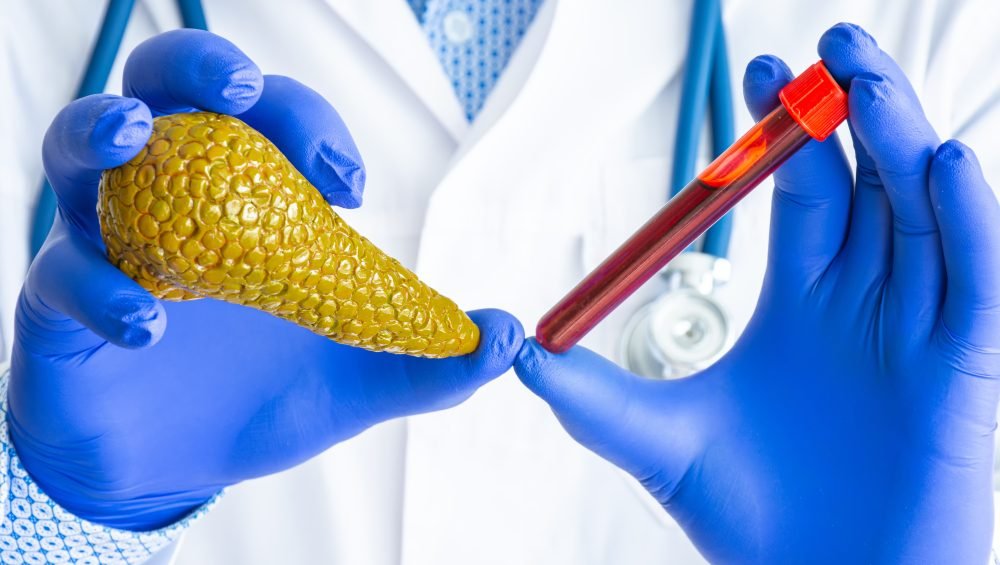
Lipase is an enzyme that catalyzes the breakdown of lipids into fatty acids and glycerol. Lipases are found in the pancreas, liver, and stomach. They are also present in tears, saliva, and breast milk.

The primary role of lipases is to digest dietary fats into fatty acids and glycerol. These products are then absorbed into the bloodstream and transported to the cells where they are used for energy or stored as fat. Lipases also play a role in the biosynthesis of cholesterol and other lipids.

There are several types of lipases, classified according to their substrate specificity. The most common types are pancreatic lipase, gastric lipase, and hepatic lipase. Pancreatic lipase is secreted by the pancreas and is responsible for the digestion of fats in the small intestine. Gastric lipase is secreted by the stomach and is responsible for the digestion of fats in the stomach and small intestine. Hepatic lipase is secreted by the liver and is responsible for the digestion of fats in the liver and small intestine.

Lipase Health Benefits

Lipases are enzymes that catalyze the hydrolysis of triglycerides into free fatty acids and glycerol. Lipases have many health benefits. These include the items listed below.

1Breaking Down Dietary Fat

Lipases help break down dietary fat into smaller components that can be more easily absorbed and utilized by the body. This helps support digestion. It also improves the absorption of nutrients from food.

2Burning Stored Fat

Lipases also help burn stored fat, leading to weight loss. They do this by converting stored triglycerides into free fatty acids. The body can then use these for energy.

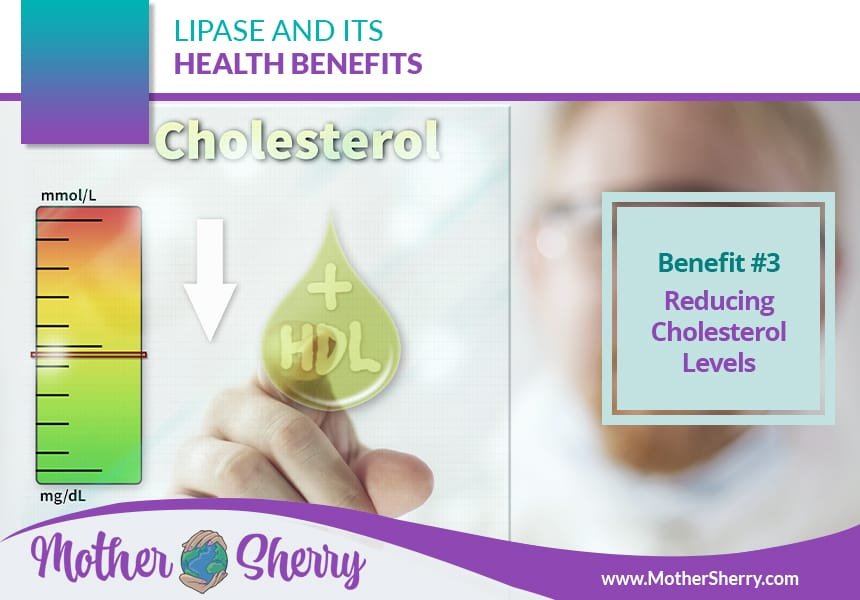
3Reducing Cholesterol Levels

One of the main functions of lipases is to reduce cholesterol levels. They do this by breaking down cholesterol particles into smaller components that are easier to excrete from the body. This can help reduce the risk of heart disease and other cardiovascular problems.

4Can Fight Inflammation

Lipases can also help fight inflammation. They do this by breaking down pro-inflammatory compounds in the body. This can help reduce the risk of diseases, such as cancer, arthritis, and others.

5Better Absorption Of Nutrients From Food

Lipases help break down dietary fat into smaller components. These can be more easily absorbed and utilized by the body. This helps improve digestion and absorption of nutrients from food.

6Increased Energy Levels

Lipases help convert stored triglycerides into free fatty acids. The body can then use these for energy. This leads to increased energy levels and improved overall health.

7Reduced Risk Of Chronic Diseases

Lipases play a role in reducing cholesterol levels. They can also help in fighting inflammation and breaking down pro-inflammatory compounds in the body. This helps reduce the risk of chronic diseases, such as cancer, arthritis, heart disease, and others.

Lipase Testing

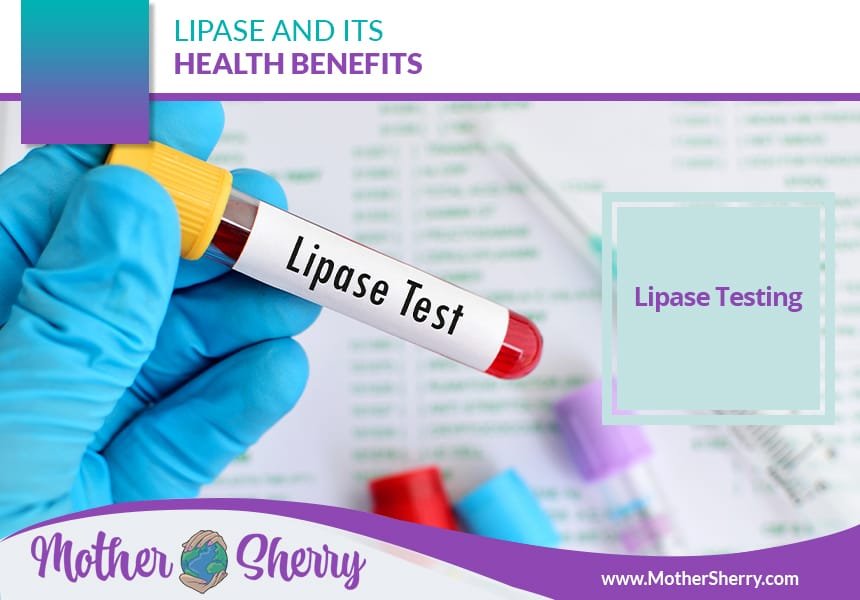
Getting your lipase levels tested is a simple and easy process. A blood sample will be taken and sent to a lab for analysis. The results of the test will be used to determine if you have an enzyme deficiency or if your lipase levels are within the normal range.

If you have an enzyme deficiency, treatment will focus on replacing the missing enzyme. This can be done through dietary supplements or by receiving injections of the enzyme. If your lipase levels are within the normal range, no treatment is necessary. This test is used to help diagnose and monitor problems with the pancreas, gallbladder, and liver. The lipase test measures the amount of this enzyme in the blood or a sample of urine.

Normal Values:

  • Blood: Less than 190 units per liter
  • Urine: Less than 1,000 units per day
  • Abnormal Values:

  • Blood: More than 190 units per liter
  • Urine: More than 1,000 units per day
  • Lipase Foods And Supplements

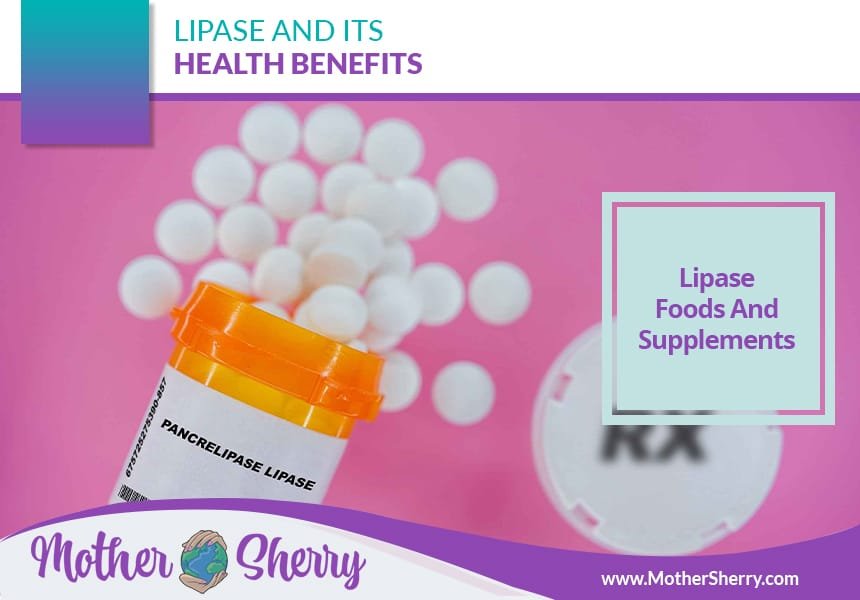
    Lipase is a type of enzyme that helps the body break down and digest fats. It is produced naturally in the body but can also be taken as a dietary supplement. Lipase supplements are available in both pill and powder form and can be found at most health food stores.

    Lipase supplements are often recommended for people who have difficulty digesting fats, such as those with conditions like Crohn’s disease or pancreatitis. They can also be helpful for people who are trying to lose weight. They can help the body burn more calories from fat.

    When taking a lipase supplement, it is important to follow the dosage instructions carefully. Exceeding the recommended dose can cause unpleasant side effects, like diarrhea and stomach cramps. Lipase supplements should also not be taken by pregnant or breastfeeding women, as they may pose risks to the baby.

    Lipase supplements are available in tablet or capsule form and are sometimes added to foods to help with digestion. People with low levels of lipase may benefit from taking a lipase supplement. Lipase supplements can help improve digestion and may help reduce feelings of bloating and gas.

    Lipase foods are those that contain enzymes that help break down fats. This means that when you eat them, they will help your body better digest and process the fat in your food. This can be helpful for people who have difficulty digesting fat as well as for those who are trying to lose weight. There are several different lipase foods that you can eat. Some of the most common include the items listed below.

    -Olive oil: Olive oil is a good source of healthy fats as well as lipase enzymes. When you consume olive oil, it will help break down the fat in your food. This makes it easier for your body to digest.

    -Butter: Butter is another great source of lipase enzymes. Like olive oil, it helps break down the fat in your food. This makes it easier to digest and absorb.

    -Garlic: Garlic is a naturally occurring source of lipase enzymes. When you eat garlic, it will help break down the fat in your food and improve digestion. Garlic also has a host of other health benefits, so it is a suitable choice whether or not you are looking for lipase food.

    -Grapefruit: Grapefruit is another great source of lipase enzymes. It helps break down the fat in your food and improve digestion. Additionally, grapefruit is a great source of vitamin C and fiber, both of which are vital for overall health.

    -Pineapple: Pineapple is a fine source of lipase. It helps break down the fat in your food and improve digestion. Additionally, pineapple is a great source of vitamin C and fiber, both of which are important for overall health.

    -Tomato: Tomato is a fine source of lipase enzymes. It helps break down the fat in your food and improve digestion. Additionally, tomatoes are a fine source of lycopene, which is a powerful antioxidant.

    -Apple: Apple is a good source of lipase enzymes. It helps break down the fat in your food and improve digestion. Additionally, apples are a fine source of fiber, which can help regulate blood sugar levels and promote weight loss.

    -Celery: Celery is a good source of lipase enzymes. It helps break down the fat in your food and improve digestion. Additionally, celery is a good source of fiber and water, both of which can help keep you hydrated and regulate your appetite.

    Lipase Side Effects And Drug Interactions

    Lipase is a digestive enzyme that is produced in the pancreas. It helps break down fats into fatty acids and glycerol. Lipase side effects can include nausea, vomiting, diarrhea, and abdominal pain.

    Lipase can also interact with certain medications. It can increase the levels of some medications in the blood, which can lead to adverse effects. Some of the medications that can interact with lipase include the items listed below.

    -Statins, which are used to lower cholesterol levels

    -Digoxin, a medication used to treat heart failure

    -Theophylline, a medication used to treat asthma

    -Oral contraceptives

    -Phenytoin, a medication used to treat seizures

    If you are taking any of these medications, it is important to speak with your doctor before taking lipase supplements. Lipase can also interact with certain medical conditions. People with pancreatitis or other pancreas problems should avoid taking lipase supplements. Lipase can also make gallstones worse. If you have any concerns about taking lipase, it is best to speak with your doctor before starting supplementation.

    So there you have it! Improving the health of your digestive system with lipase comes with benefits, including better absorption of nutrients, weight loss, and reduced inflammation. Just be sure to speak with your doctor before starting any supplement, especially if you are taking medications or have a medical condition.

    6 Great Ways Vitamin A Benefits Health

    Did you know that vitamin A is required for good health? This potent vitamin has a variety of important advantages. Vitamin A is essential for more than just eye health. It’s a nutrient that has a vital role in a variety of aspects of your health. We’ll go over six health benefits of vitamin A in this article.

    Vitamin A is a crucial vitamin for your health. It’s a vitamin that is needed for human growth and development. Vitamin A has several health advantages, including eye protection, immune system strengthening, growth, and reproduction promotion. After you’ve finished reading this article, you’ll be ready to start taking advantage of these vitamin A health benefits.

    1Protects Your Eyes

    Vitamin A’s most important health advantages are that it helps protect your eyesight. Vitamin A insufficiency can lead to blindness; therefore, you should make sure that you get enough of this vitamin. The retina in your eye is high in vitamin A and lutein, which are both necessary for preserving your vision.

    Vitamin A is a fat-soluble vitamin that has antioxidant, anti-inflammatory, and antihistamine activities. It can aid in the maintenance of your eyesight, particularly in low-light situations. The formation of certain pigments is required for adequate retinal functioning; without vitamin A, pigment synthesis comes to a halt.

    2Promotes Growth And Reproduction

    Vitamin A has been shown to enhance growth and reproduction in various animal studies. Vitamin A is required for a fetus’s optimal development. It is also necessary for maintaining a healthy pregnancy. Vitamin A aids in the prevention of birth defects, so expectant moms should consume enough of it.

    Vitamin A has a dual role in pregnancy. Not only does it aid in cell development inside the womb, but it also aids in bone, skin, and soft tissue formation after delivery. A 2013 study from the University of Toronto discovered that postmenopausal women who took a daily supplement had greater bone mineral density. Another research found that people who were vitamin A deficient had an increased risk of osteoporosis.

    3Helps Maintain Healthy Bones

    Vitamin A also aids in the maintenance of healthy bones. This vitamin is necessary for the formation and maintenance of bone tissue. Vitamin A also helps prevent osteoporosis. Osteoporosis is a disease in which the bones become brittle and fragile. It affects both men and women, although it mostly affects women over 50 years old.

    Vitamin A has several advantages for bone health. It aids in the absorption of calcium, which is necessary for strong bones. It also helps produce collagen, a protein that contributes to bone strength. Vitamin A also stimulates new bone formation and aids in the healing of damaged bone tissue.

    4Lowers The Risk Of Certain Cancers

    Vitamin A has been found to lower the incidence of several malignancies. This was discovered with scientific studies. This substance has been proven to reduce the chances of lung cancer, bladder cancer, and skin cancer.

    Vitamin A is derived from beta-carotene. It can help defend you from UV damage. This is what lowers the risk of skin cancer.

    5Has Protective Antioxidant Effects

    Vitamin A has antioxidant effects, which means that it helps your cells avoid harm. This vitamin can aid in the prevention of free radicals, unstable molecules that can inflict cellular damage. Free radicals are considered to contribute to the development of several diseases, such as cancer and heart disease.

    Vitamin A is also a good source of carotenoids, which are antioxidants that can aid in the maintenance of your eyesight. Carotenoids are present in foods like sweet potatoes, carrots, spinach, and kale at high levels. To receive enough vitamin A from food alone, you will need to consume these meals daily.

    6Supports Your Immune System

    Vitamin A is essential for the maintenance of a healthy immune system. It aids in the treatment of infections and illnesses. This is accomplished by assisting in the formation of white blood cells, which are a vital component of your immune system. White blood cells aid in the prevention of infection and disease. As a result, if you want to remain healthy, you should incorporate vitamin A into your diet.

    You could be less vulnerable to infections if you eat a diet high in vitamin A. Vitamin A is involved with the immune system’s regulation; it may also aid in the prevention of skin, mouth, gut, and urinary tract infections by assisting in the control of the immune system. When your immune system is healthy, it creates a barrier. Vitamin A, in essence, provides your immune system four times the protection that it receives from any other substance. This is because vitamin A can aid both innate and adaptive immunity.

    Vitamin A is derived from beta-carotene, a yellowish pigment found in vegetables and fruit; vitamin A is generated from beta-carotene in the body. Dark green leafy vegetables, carrots, sweet potatoes, mango, and dried apricots may provide adequate amounts of beta-carotene to help prevent cancer. Vitamin A can also assist to defend you from UV damage, which is a significant risk factor for skin cancer; this vitamin aids with the development and maintenance of healthy skin tissue. It also aids with the regeneration of damaged cells. We’ve covered seven health advantages of vitamin A in this article.

    Vitamin A is required for good health; vitamin A has several significant advantages. Vitamin A is not simply used to preserve your eyesight; it’s a nutrient that has an important role in a variety of areas of life, including nutrition and development. Humans require vitamin A to grow and develop properly. Vitamin A has a long list of health benefits, such as protecting the eyes and strengthening the immune system. You now understand how essential it is to include vitamin A in your diet.

    6 Terrific Health Benefits Of Holy Basil

    Many plants can help you achieve better health. Holy basil (also known as tulsi), which has been employed in Eastern culture for millennia to promote good health and prevent illness, is one of the most well-known natural medicines. Holy basil is considered a sacred plant in Hinduism and Buddhism and a medicinal herb that promotes peace, joy, and happiness while also protecting people from stress-related sickness.

    We’ll look at six advantages of holy basil in this article. First, we will discuss how holy basil balances cortisol levels and regulates blood sugar levels. Next, we’ll talk about detoxifying the body and reducing stress. Then, we will cover how it supports heart health and wrap things up with boosting the immune system. Once you’ve finished reading, you’ll be able to draw from the holy basil’s important health advantages.

    1Balances Cortisol Levels

    Holy basil protects the body from stress. The herb has been observed to aid with the proper balance of cortisol levels, which can prevent the negative effects of chronic stress on the body. Holy basil may also help with mood and cognitive performance when you’re under pressure.

    Holy basil is a healing plant that protects the body. Holy basil may be used to help you manage stress. It’s an excellent substitute for people who don’t want to take prescription drugs since it has no unwanted side effects.

    2Regulates Blood Sugar Levels

    In animal and lab tests, holy basil has been found to improve blood sugar levels. The plant includes chemicals that aid in the development of insulin sensitivity and lowering blood sugar levels. People dealing with diabetes or prediabetes may find it helpful.

    According to one research, holy basil helps control blood sugar levels as well as minimize blood sugar increases after eating a high-carbohydrate meal. Holy basil also helps lessen insulin resistance in the body. In diabetic rats, holy basil lowered fasting cholesterol and improved blood sugar levels.

    3Helps Detoxify The Body

    Holy basil helps the body detoxify by promoting liver function and blood cleansing. The herb includes chemicals that assist with the elimination of poisons from the body. This can assist in minimizing cell damage and inflammation throughout the body. Holy basil also has a diuretic impact, which aids with the removal of toxins and waste from your kidneys.

    Holy basil is a plant that has been used for centuries as an inebriant and medicine. It may help protect the cells from harm caused by pollutants in the environment. Holy basil also aids with the function of the liver and cleanses the blood. This can help reduce inflammation throughout the body by reducing irritation.

    4It Reduces Stress

    Holy basil is a natural stress reliever. The herb has been found to aid with the reduction of cortisol levels, which can protect against the harmful effects of long-term stress on the body. Holy basil may also assist with mood and cognitive function during stressful situations.

    It protects against the damaging effects of stress on the body. This is one of holy basil’s primary benefits. It achieves this by lowering cortisol levels and enhancing mood and cognitive performance during stressful circumstances.

    5Supports Heart Health

    Holy basil contains anti-inflammatory and antioxidant properties, which may help prevent heart damage caused by free radicals. Holy basil has also been found in studies to help reduce blood pressure and cholesterol levels. Both are crucial for maintaining a healthy heart.

    Holy basil, often known as tulsi, is a herb with a long history of usage in Ayurvedic medicine. Holy basil may help prevent heart disease and stroke by lowering blood pressure, improving cholesterol levels, slowing tumor growth, and reducing inflammation. Holy basil is also a potent antioxidant, which means that it can neutralize free radicals in the body and protect against cell damage that they cause.

    6It Boosts Immunity

    It has antibacterial and antiviral effects. They assist in improving immunity and preventing infection. The herb is effective against a variety of viruses and bacteria, including Salmonella, Staphylococcus aureus, Streptococci, Klebsiella pneumoniae, Escherichia coli, meningitis virus, HIV-I (AIDS virus), influenza virus type A/Hong Kong/156/97(HINl), and herpes simplex virus types I & II.

    Holy basil is an adaptogen. Adaptogens assist the body in maintaining equilibrium under physical or mental stress by strengthening homeostasis in the system. Holy basil promotes immunity while also reducing inflammation, which can cause a variety of infections. Holy basil’s antioxidants may also help protect against free radical damage induced by environmental factors, like pollution and radiation exposure.

    If you’re looking for natural treatments to enhance your health, several plants might be beneficial. Holy basil (or tulsi), which has been used in Hindu tradition for millennia, is one of the most well-known. It is supposed to ward off stress-induced sickness by inducing peace, pleasure, and happiness.

    We covered six advantages of holy basil in this article. First, we discussed how holy basil balances cortisol levels and regulates blood sugar levels. Next, we talked about detoxifying the body and reducing stress. Then, we covered how it supports heart health and wrapped things up with boosting the immune system. Now that you know what you’ve been reading, you may take advantage of holy basil’s outstanding health advantages.

    7 Tips For Your Lymphatic System

    The lymphatic system helps maintain fluid balance in the body by collecting excess fluid and particulate matter from tissues and depositing them in the bloodstream. Many people are unaware of the importance and work of the lymphatic system. In this article, we will dive right into the ins and outs of the lymphatic system and how keeping it moving is a vital part of the proper function of your immune system and your overall health.

    First, we will look into how you can cleanse the lymphatic system. Next, we will take a look at the lymphatic system and its purpose. Then, we will cover a congested lymphatic system and how the system works. Finally, we will discuss lymphatic draining and wrap up with lymphatic-friendly foods. Once you have finished reading, you will be able to claim better overall health by detoxing your lymphatic system.

    1How To Cleanse The Lymphatic System

    Detoxification and some simple life strategies can help remove many toxins that cause this congestion. Deep breathing is beneficial because your rib cage is an essential lymphatic pump for healthy lymphatic movement, as a major cluster of your lymphatic system is in the upper chest neck area. Staying fully hydrated is crucial as well. Another easy and effective access to the lymphatic system is the skin, which is one reason why dry brushing and infrared light therapy can be so effective as a detox method.

    Using infrared light therapy, the deep penetration of heat releases toxins from the fat layers beneath the skin through sweat; it also helps your body eliminate toxins from your internal organs. Once the first round of toxins has been eliminated, toxins from the organs move into a layer of tissue under the skin and are then eliminated through sweat. There are other ways to help your lymphatic system work at its best, and detoxification is one critical element. You will notice constant lymphatic changes as you move through the healing process from stabilization to detoxification and then to fortification. Lymphatic drainage is something that will improve as you go.

    2The Lymphatic System

    Your lymphatic system is a subsystem of the circulatory system and immune system, and it is critical to your immune system, unlike all others. It protects you from illness and harmful diseases causing inflammation by supplying disease-fighting cells called lymphocytes. The lymphatic system is a part of the vascular system, a network of vessels, ducts, nodes, and other tissues that work together. The major components of the lymph system are located in the bone marrow, spleen, thymus gland, lymph nodes, and tonsils. In addition, the heart, lungs, intestines, liver, and skin also contain lymphatic tissue; it is this intricate system that processes the toxins and excessive fats before delivering them to the liver and kidneys to be filtered before expulsion.

    Lymph nodes within the lymphatic system are amazing little filtration systems that function very similarly to a kidney. Most of your lymph nodes are in clusters in the neck, armpit, and groin areas; they’re also found along the lymphatic pathways in the chest, abdomen, and pelvis, where they filter the blood. They are a resident of the vast majority of your immune cells (T cells and neutrophils). They can become a location for sequestering cancer cells to be destroyed by your white blood cells in a healthy functioning immune system; however, when the environment inside the body is toxic and if the pH is off, cancer will take up residence inside the nodes. When the primary drain, the colon, is plugged up, the lymphatic system can’t drain, toxins get stuck, and the immune system suffers.

    3Purpose Of The Lymphatic System

    The lymphatic system is known as the garbage route, bringing unwanted irritants out of your tissues through the drainage system and your elimination outlets. It is responsible for draining all the waste and toxic materials away from your organs and tissues throughout your entire body, including the brain. Unfortunately, when it comes to detoxification, it’s common for most doctors not even to mention the lymphatic system, which is tragic.

    The lymphatic vessels are open-ended and reach out into your tissues to collect the lymphatic fluid that washes through your tissues, cleaning up toxins and cell debris. The nodes are filtering centers where bacteria and other infections can be addressed before the lymph fluid continues to the liver and recirculates to clean more tissues. You have about two liters of this fluid that circulates through your tissues to keep you healthy and eliminate toxins, and you have about 600 lymph nodes throughout your body that take care of infections of all kinds.

    4How Congested Lymph System Happens

    A congested lymphatic system can affect your entire body and is caused by many different factors; knowing the signs of a congested lymphatic system is key to feeling better. Did you know that chronic stress is one of the leading causes of chronic health issues and lymph congestion? That is because when you are under stress, your body creates stress-fighting hormones, which results in free radical waste products floating throughout the body, opening the door to health issues. This list encompasses the majority of common symptoms: fatigue, weight gain, headaches, bloating, stiffness, cold hands and feet, water retention, brain fog, swollen glands, itchy and dry skin, muscle and joint pain, cellulite, colds, sore throats, ear issues, and chronic sinusitis. Did we mention skin problems?

    There are approximately 100 to 150 lymph nodes surrounding the colon tissue, and emptying your colon stimulates the drainage of your lymphatic system by creating a void in the system. By creating a “vacuum” of sorts, the lymphatic system will begin to drain and flow properly; drainage is essential for the healing of any chronic illness. Lymph nodes serve as filters of this fluid along the way, removing bacteria, cancer, viruses, and other harmful substances from the fluid. If the lymphatic system cannot remove the excess fluid via the bloodstream, this results in swelling, known as edema; edema is most common in the feet, hands, legs, arms, and ankles. In addition, a congested lymphatic system and edema are also brought on by poor nutrition, imbalanced electrolytes, and even injury.

    5How The Lymphatic System Works

    The lymphatic system helps maintain fluid balance in the body by collecting excess fluid and particulate matter from the tissues and depositing them in the bloodstream. The lymph fluid is 95% water and is a gel-like fluid that thickens when cooled or stagnant. It is made up of a clear, watery fluid that contains proteins, salts, and white blood cells but mostly lymphocytes. The MTHFR gene mutation is often caused by the inability to detox these fluids, which causes toxin backup in the cells and the failure to utilize or process nutrients taken into the body.

    Lymphatic stimulation or circulation is critical for optimal health because it is essentially your body’s inner drainage system. Unlike the circulatory system, where the heart acts as a pump, this system has no pump and is not self-stimulating or self-regulating. The lymphatic system is unique because it needs manual stimulation and relies entirely on your conscious movement to work optimally. This is why we recommend daily exercises like dry brushing, self-massage, saunas, red light therapy, exercise, rebounding, and other forms of lymphatic stimulation. Without these practices, the lymphatic system cannot flow and function properly, and you will experience swollen nodules, sore muscles, skin rashes, or other health problems.

    The lymphatic system also serves as the sewer system for your body, and when you begin to detoxify your digestive system, it all goes through your colon. It absorbs not only fat-soluble nutrients and carries them to the cells in your body but also gathers excess fluid and waste (much like the water and sewer system in your home) from cells. This fluid is transported upward to the neck, where it meets the subclavian vein (a large paired, deep vein that extends along each side of the neck), and liquid is returned to the circulatory system.

    6About Lymphatic Draining

    When it comes to lymphatic drainage, initially, the primary remedies to healing are physical movement (walking, exercise, dancing, or jumping on a mini-trampoline), digestive enzymes, herbal colon cleansers, such as digestive detox, fulvic acid, lymphatic-friendly foods, sauna, massage therapy, detox, proper sleep, avoiding restrictive clothing, and alternating shower temperatures. Your lymphatic system is an extensive and complex system that requires special attention when detoxing. You can easily cleanse your lymphatic system by shocking it with varying temperatures in the shower. For example, while taking a hot shower, suddenly switch the hot water off and let the cold water wash over you. Your blood vessels will dilate in the warmth and then constrict in the cold, creating a “pump” to help flush out this system.

    You can also implement jumping on a mini-trampoline. Rebound exercise is wonderful for cleansing the lymphatic system. Movement turns on the garbage disposal – without movement that forces the lymphatic fluid to drain, toxins collect stagnantly in the lymph instead of leaving the body.

    Other types of exercise, such as walking, weight lifting, or swimming, will also help flush toxins in the lymph. Rebounding is the most effective movement therapy for increasing lymph flow and draining toxins from the body. Many natural health practitioners recommend daily rebounding as a gentle detox technique. Due to the up-down movement, lymphatic fluid is forced to flow and flush toxins. Therefore, your detox pathways must be open so the toxins can get out.

    7Good Lymphatic-Friendly Foods

    Choosing lymphatic-friendly foods as often as possible will also help keep your lymphatic system in tip-top shape. Examples are cranberries, deep leafy green veggies, turmeric, ginger, cinnamon, black pepper, nuts and seeds, and citrus (lemon, lime, oranges). As the lymphatic system drains and clears toxins away, your vital organs and tissues can eliminate the toxic buildup within the depths of their cells.

    When the lymphatic system drains, as a result of the bowels becoming more active, you will need to support the body’s primary filtration systems – the liver and kidneys. Once the lymphatic system begins draining into the circulatory system, the amount of waste in the bloodstream increases, making more work for the liver and kidneys. As the liver and kidneys drain and cleanse themselves, your bloodstream becomes cleaner and less pro-inflammatory. Being mindful of the issues and having the tools are the first steps to optimal health. If your body’s natural detoxification system is not working properly or has other health issues, you may want to start with a detox program; however, sometimes, just a good house cleaning can set you on a path to much better health.

    Maintaining fluid balance in the body by collecting excess fluid and particulate matter from the tissues and depositing them in the bloodstream is the job of your body’s lymphatic system. The lymphatic system is a system most people know very little about. In this article, we dove right into the ins and outs of the lymphatic system and how keeping it moving is a vital part of the proper function of your immune system and your overall health.

    First, we looked at how you can cleanse the lymphatic system. Next, we took a look at the lymphatic system and its purpose. Then, we covered a congested lymphatic system and how the system works. Finally, we discussed lymphatic draining and wrapped things up with lymphatic-friendly foods. Now that you have finished reading, you can claim better overall health by detoxing your lymphatic system.

    *These statements have not been evaluated by the Food and Drug Administration. These products are not intended to diagnose, treat, cure, or prevent any disease. If you are pregnant, nursing, taking medication, or have a medical condition, consult your healthcare provider before using these products.

    Select the fields to be shown. Others will be hidden. Drag and drop to rearrange the order.
    • Image
    • SKU
    • Rating
    • Price
    • Stock
    • Availability
    • Add to cart
    • Weight
    • Dimensions
    Compare
    Shopping cart close